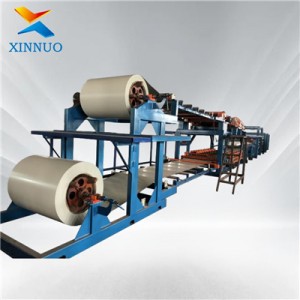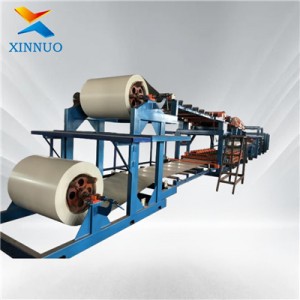


The Hebei Xinnuo Pharma Cleanroom Sandwich Panel Production Line is the highest-specification variant in our composite panel machine portfolio, engineered to produce wall and ceiling panels that meet the exacting surface quality, air-tightness, and contamination-control requirements of pharmaceutical clean rooms, biotech laboratories, semiconductor fabrication facilities, and hospital operating theaters across the GCC. Unlike standard sandwich panels used in general industrial and commercial construction — where acceptable quality is defined by structural integrity and basic thermal performance — cleanroom-grade panels are medical-device-class building components subject to ISO 14644 air cleanliness classification, GMP (Good Manufacturing Practice) Annex 1 compliance for sterile manufacturing, and in the most demanding cases, FDA 21 CFR Part 211 facility requirements. A panel that carries a microscopic surface scratch, a 0.2mm joint gap, or a trace of roller-transferred iron oxide contamination is not “slightly imperfect” — it is non-conforming, because that scratch becomes a bacteria-harboring crevice, that gap becomes an unfiltered air leakage path, and that iron oxide particle becomes a foreign contaminant in a sterile production environment.
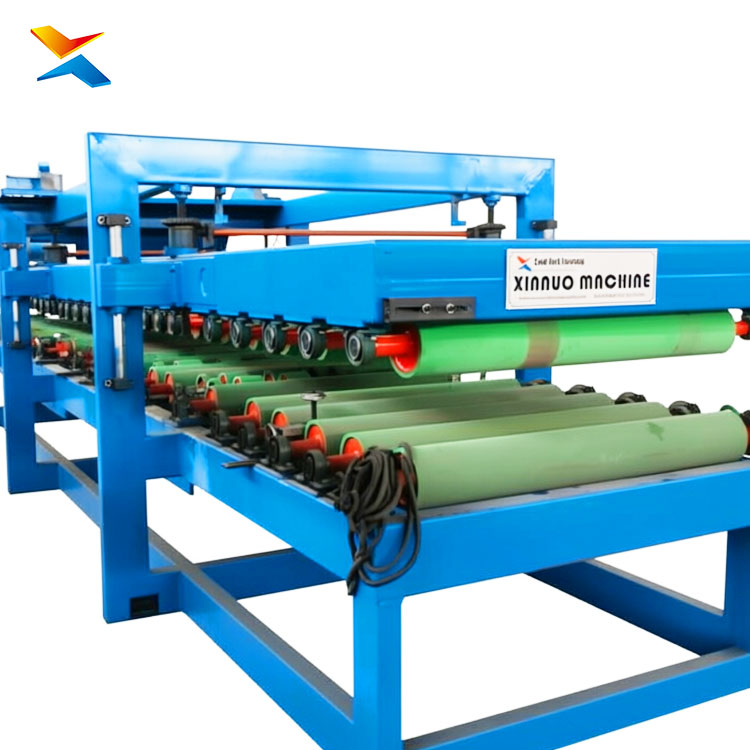
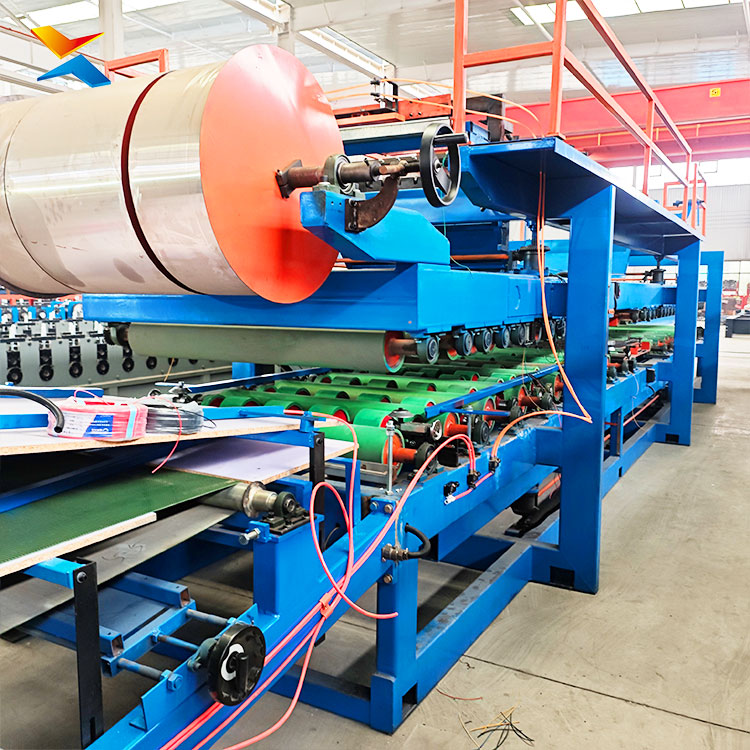
The machine is built around the S-joint (S口) panel connection system — the industry-standard hermetic interlock profile for cleanroom envelopes. The S-joint geometry creates a tight, continuous male-female interlock along the full panel edge, eliminating the screw penetrations and visible joint gaps inherent to lap-joint and concealed-cap systems. When panels are assembled with a continuous bead of pharmaceutical-grade silicone sealant in the S-channel, the resulting wall and ceiling envelope achieves near-zero air leakage — a prerequisite for maintaining the positive-pressure cascades and ISO Class 5 through Class 8 cleanliness levels that pharmaceutical facilities require. The S-joint profile demands additional forming stations and tighter roller tolerances compared to standard lap-joint profiles, which is why the S-joint machine is the longest configuration in our composite panel lineup at 65 meters — the extra length accommodates the progressive S-channel forming stages that bend the panel edge through a compound curve without work-hardening the steel to the point of micro-cracking. The glue-lamination section uses our proven 9-meter, 54-roller configuration with a 0.05mm flatness bed — but for cleanroom-grade production, the entire roller set undergoes an additional post-grinding surface inspection under 500-lux directional lighting to identify and reject any roller with surface anomalies exceeding 0.01mm, a standard borrowed from pharmaceutical tablet press roller inspection protocols.
The machine is qualified to run 304 stainless steel skins (0.5–0.6mm) for the panel’s clean-side face — the material standard for pharmaceutical clean rooms because stainless steel is non-porous, chemically inert to cleaning agents (hydrogen peroxide vapor, isopropyl alcohol, quaternary ammonium compounds), and does not shed particles over decades of wipe-down cleaning cycles. Running stainless steel through a roll forming line is mechanically more demanding than forming color-coated carbon steel: 304 stainless work-hardens approximately 2× faster, requiring adjusted roller gap clearances to prevent excessive forming force that can stretch the panel skin and introduce residual stress that manifests as subtle panel bowing after installation. The forming unit’s 300H/350H frame and 5.6-ton mass provide the rigidity to maintain profile geometry within tolerance across stainless steel production runs. For budget-sensitive projects, the machine also runs food-grade color-coated steel and PVDF-coated galvalume for the non-clean-side exterior skin, with the stainless steel reserved for the interior clean face only.
The CE certification and ISO 9001:2015 quality management system referenced in the title are not separate badges — they form an integrated quality assurance chain. ISO 9001 governs the consistency of our manufacturing processes: every roller is dimensionally inspected against its engineering drawing before assembly, every weld is visually inspected, every PLC I/O point is continuity-tested before shipping. CE certification — issued by an EU Notified Body following a full Machinery Directive 2006/42/EC conformity assessment — verifies that the machine’s safety systems, electrical design, and risk mitigation measures meet European regulatory standards. For a GCC pharmaceutical panel producer, this dual certification provides the documented quality evidence that pharmaceutical end clients — who operate under GMP quality systems that mandate supplier qualification audits — require when evaluating their panel supply chain. A panel factory whose production equipment carries ISO 9001 and CE certification can demonstrate quality infrastructure to pharmaceutical clients without commissioning bespoke third-party equipment audits for every new project. In the GCC pharmaceutical construction market — concentrated in Saudi Arabia’s Sudair Pharmaceutical City, the UAE’s Dubai Science Park and Abu Dhabi’s KEZAD Life Sciences Zone, and Qatar’s biomedical research facilities — this pre-existing certification reduces the sales cycle by months and eliminates a recurring barrier to supplier pre-qualification.


♦ COMPANY PROFILE:
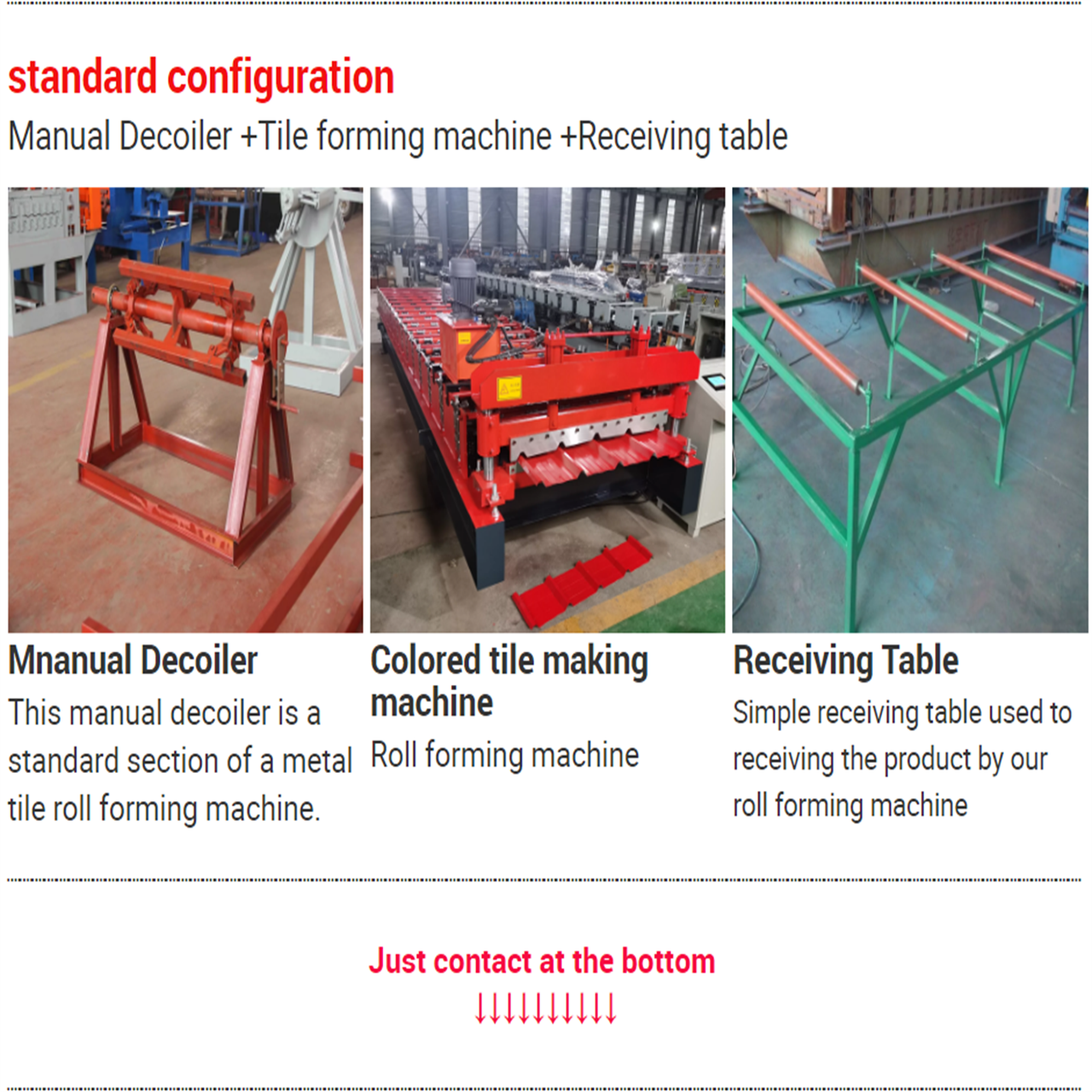
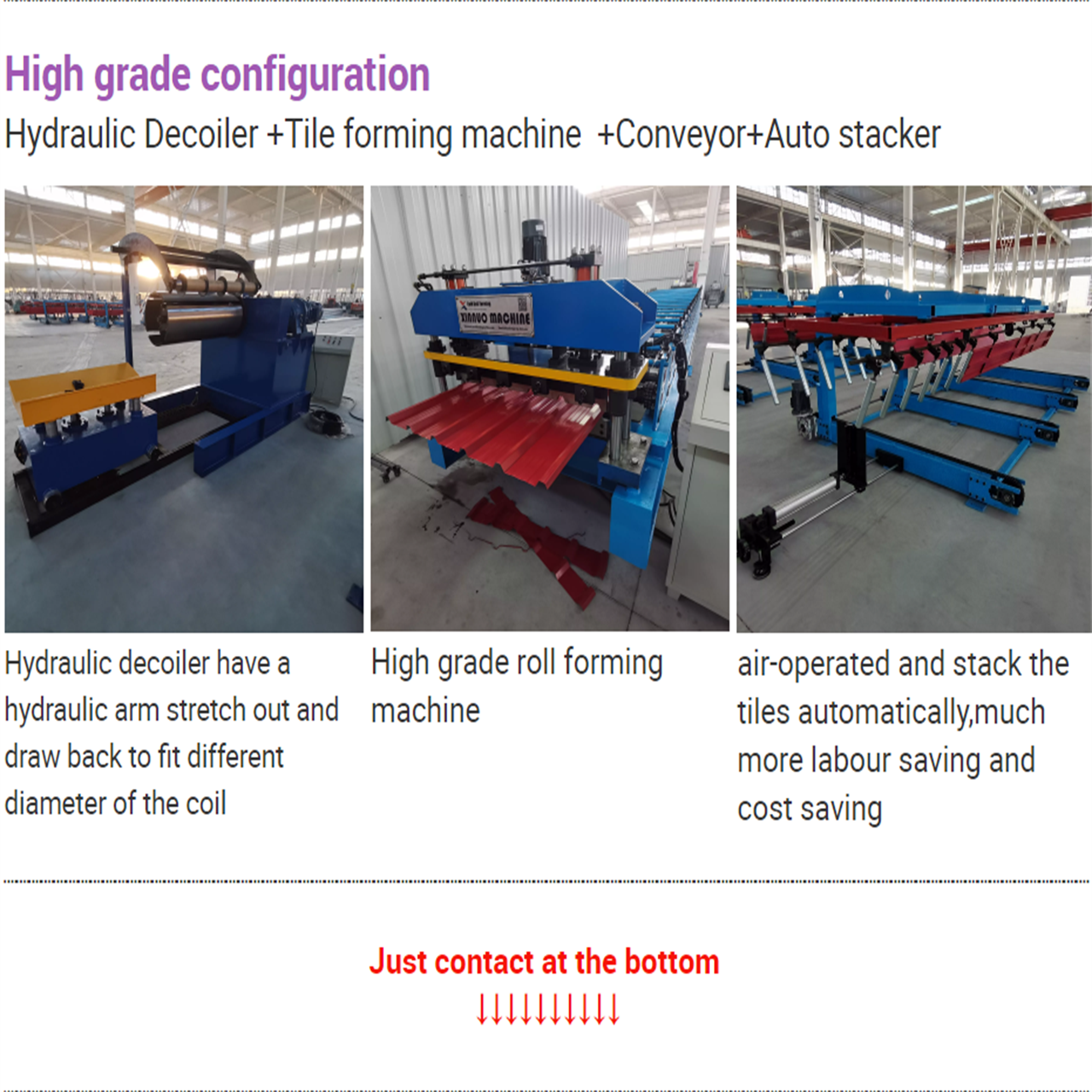
Hebei Xinnuo Roll Forming Machine Co., Ltd., not only produce different types of professional roll forming machines, but also develop intelligent automatic roll forming production lines, C&Z shape purline machines, highway guardrail roll forming machine lines, sandwich panel production lines, decking forming machines, light keel machines, shutter slat door forming machines, downpipe machines, gutter machines, etc.
Advantages of Roll Forming A Metal Part
There are several advantages of using roll forming for your projects:
- The roll forming process allows operations such as punching, notching, and welding to be performed in-line. Labor cost and time for secondary operations are reduced or eliminated, reducing part costs.
- Roll form tooling allows for a high degree of flexibility. A single set of roll form tools will make almost any length of the same cross-section. Multiple sets of tools for varying length parts are not required.
- It can provide better dimensional control than other competing metal forming processes.
- Repeatability is inherent in the process, allowing easier assembly of roll formed parts into your finished product, and minimizing problems due to “standard” tolerance build up.
- Roll forming is typically a higher speed process.
- Roll forming offers customers a superior surface finish. This makes roll forming an excellent option for decorative stainless steel parts or for parts requiring a finish such as anodizing or powder coating. Also, texture or pattern can be rolled into the surface during forming.
- Roll forming utilizes material more efficiently than other competing processes.
- Roll formed shapes can be developed with thinner walls than competing processes
Roll forming is a continuous process which converts sheet metal into an engineered shape using consecutive sets of mated rolls, each of which makes only incremental changes in the form. The sum of these small changes in form is a complex profile.