


Product Overview
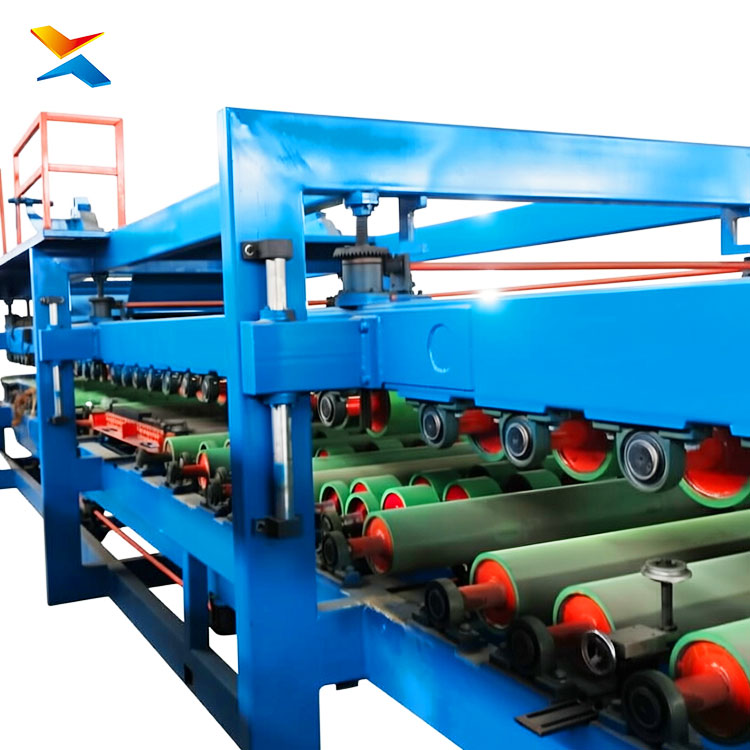
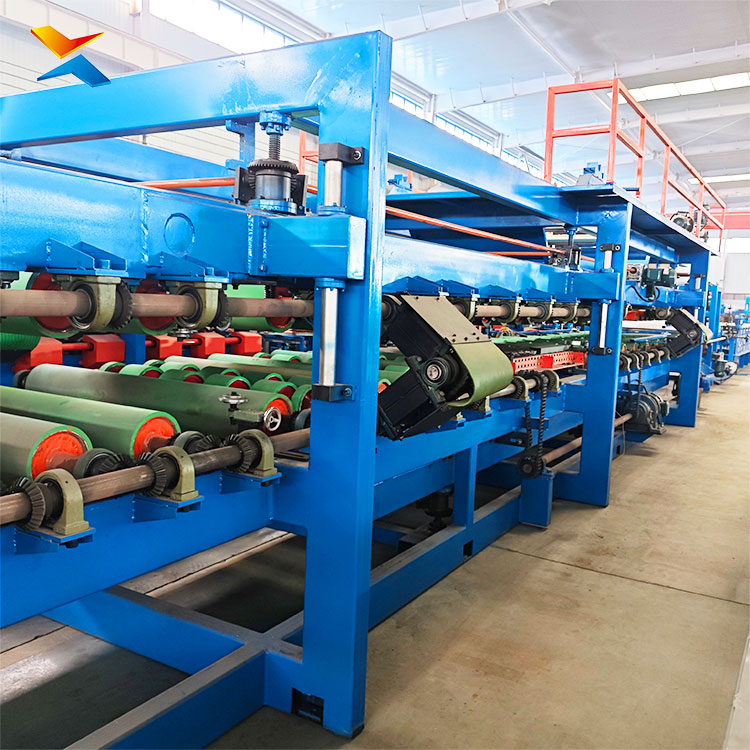
The Cleanroom & Cold Room Panel Line XN-SP is a premium, highly specialized composite panel manufacturing system meticulously engineered to serve the advanced infrastructure and logistics sectors across the GCC region. Designed to produce high-performance insulated wall and ceiling panels, this production line delivers exceptional thermal efficiency and structural integrity. Manufactured by Hebei Xinnuo, this equipment is distinguished by its use of A-Grade Adhesive that strictly meets EU VOC standards, ensuring a safe, premium-quality, and environmentally compliant manufacturing process for Middle Eastern contractors and manufacturers.
A standout feature of the XN-SP production line is its unwavering commitment to health, safety, and environmental sustainability. The machine utilizes premium A-Grade Adhesive that strictly adheres to stringent EU VOC (Volatile Organic Compounds) standards. This ensures that the resulting cleanroom and cold room panels emit zero harmful chemicals, making them perfectly safe for enclosed environments. For GCC clients, this guarantees that the panels meet the highest international health and safety regulations, providing absolute peace of mind for sensitive applications.
The insulated panels produced by this specialized line are perfectly tailored for the diverse and demanding construction projects within the GCC, including pharmaceutical cleanrooms, semiconductor facilities, food processing plants, and large-scale cold storage logistics centers. The precise composite manufacturing process ensures excellent thermal insulation and seamless panel joints, which are critical for maintaining strict temperature controls and sterile environments in the region’s extreme desert climate. This highly efficient solution significantly reduces energy consumption and accelerates construction timelines.
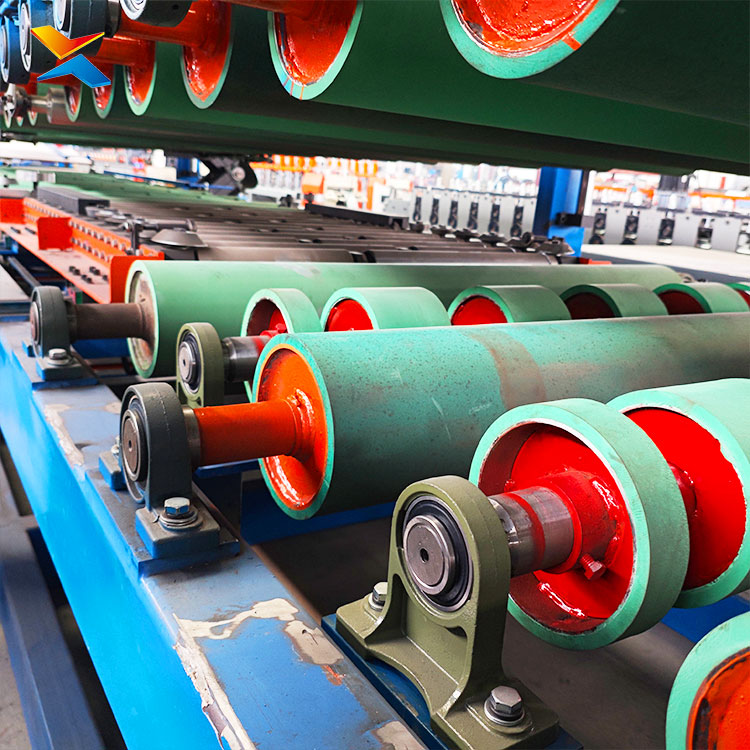
At the heart of the XN-SP line is an advanced PLC control system paired with an intuitive touch screen interface, ensuring precise coordination of the entire composite panel manufacturing workflow. From the precise profiling of the steel sheets to the uniform application of adhesive and the high-pressure continuous lamination process, the intelligent automation guarantees flawless panel consistency. The integrated precision cutting system ensures clean, exact dimensions with zero material waste, maximizing production efficiency for high-volume GCC projects.


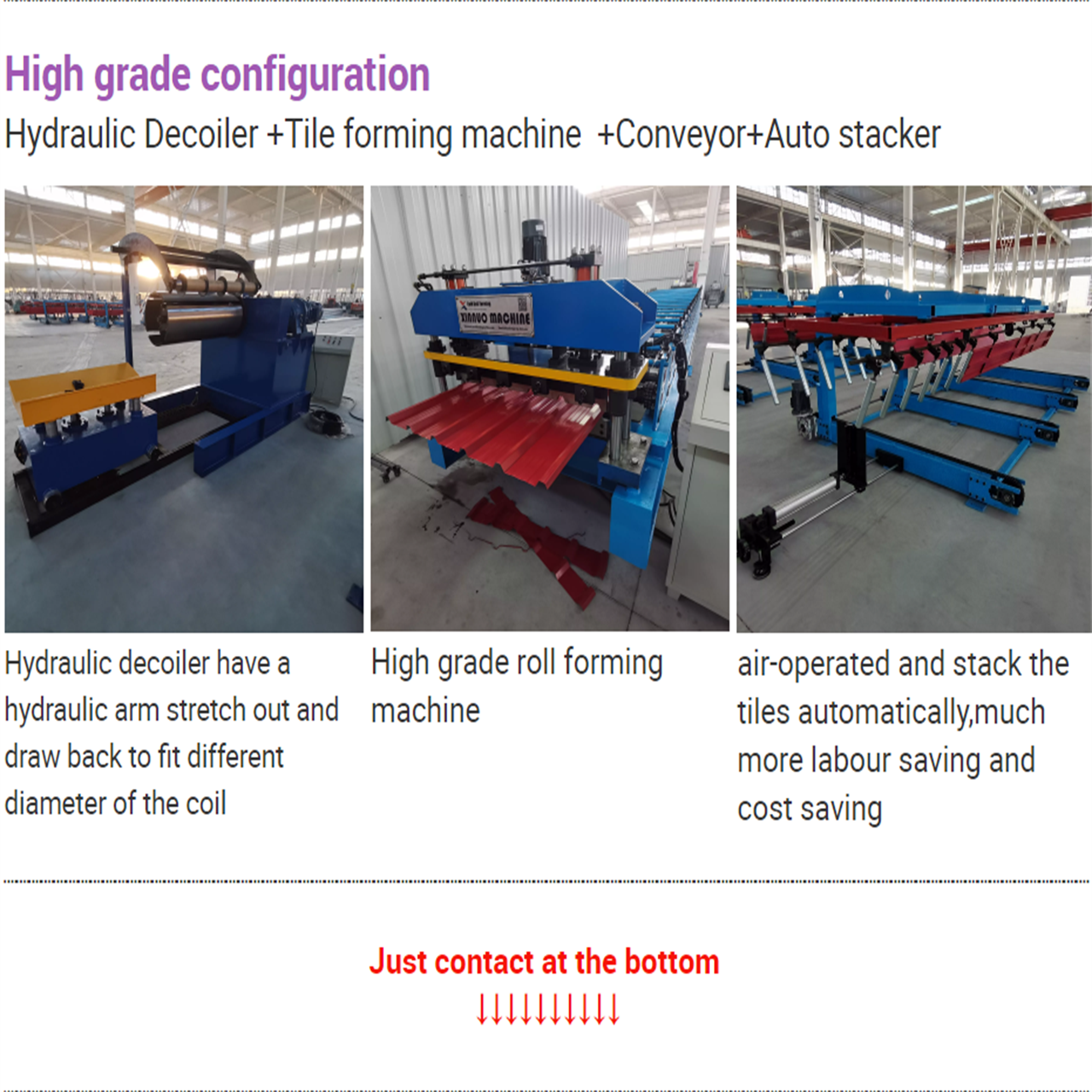
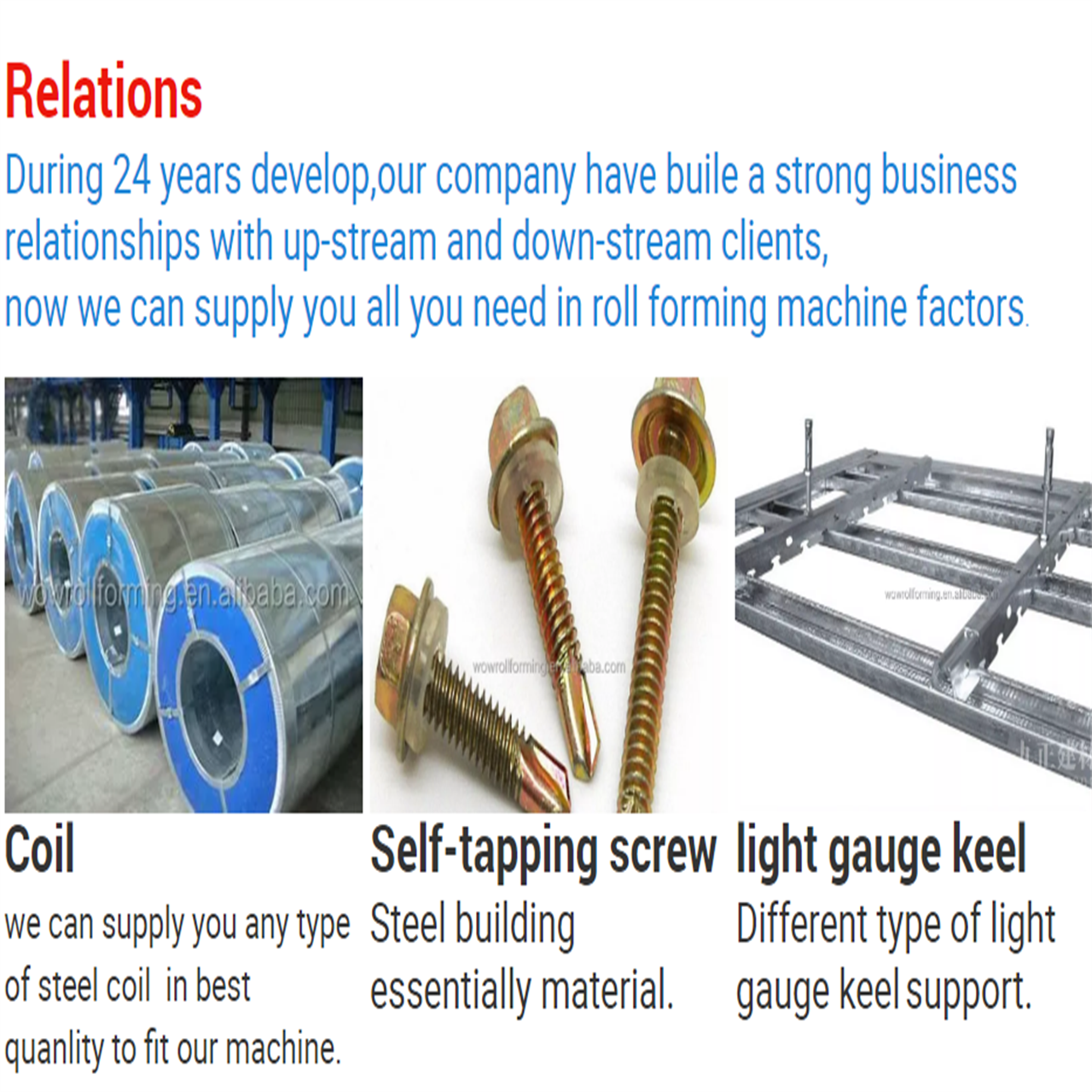
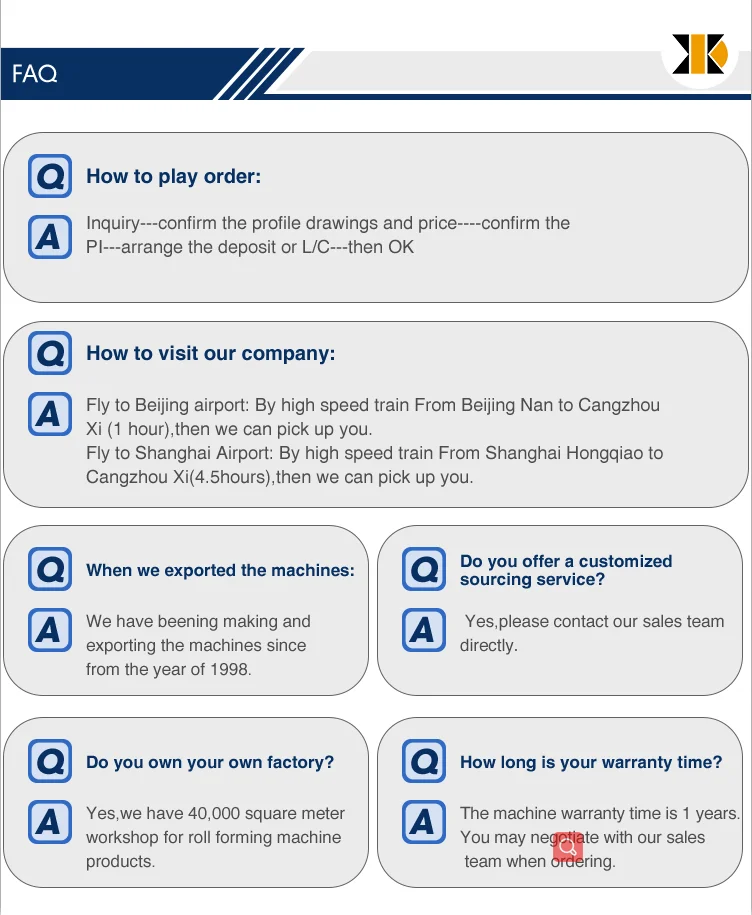
♦ COMPANY PROFILE:
Hebei Xinnuo Roll Forming Machine Co., Ltd., not only produce different types of professional roll forming machines, but also develop intelligent automatic roll forming production lines, C&Z shape purline machines, highway guardrail roll forming machine lines, sandwich panel production lines, decking forming machines, light keel machines, shutter slat door forming machines, downpipe machines, gutter machines, etc.
Advantages of Roll Forming A Metal Part
There are several advantages of using roll forming for your projects:
- The roll forming process allows operations such as punching, notching, and welding to be performed in-line. Labor cost and time for secondary operations are reduced or eliminated, reducing part costs.
- Roll form tooling allows for a high degree of flexibility. A single set of roll form tools will make almost any length of the same cross-section. Multiple sets of tools for varying length parts are not required.
- It can provide better dimensional control than other competing metal forming processes.
- Repeatability is inherent in the process, allowing easier assembly of roll formed parts into your finished product, and minimizing problems due to “standard” tolerance build up.
- Roll forming is typically a higher speed process.
- Roll forming offers customers a superior surface finish. This makes roll forming an excellent option for decorative stainless steel parts or for parts requiring a finish such as anodizing or powder coating. Also, texture or pattern can be rolled into the surface during forming.
- Roll forming utilizes material more efficiently than other competing processes.
- Roll formed shapes can be developed with thinner walls than competing processes
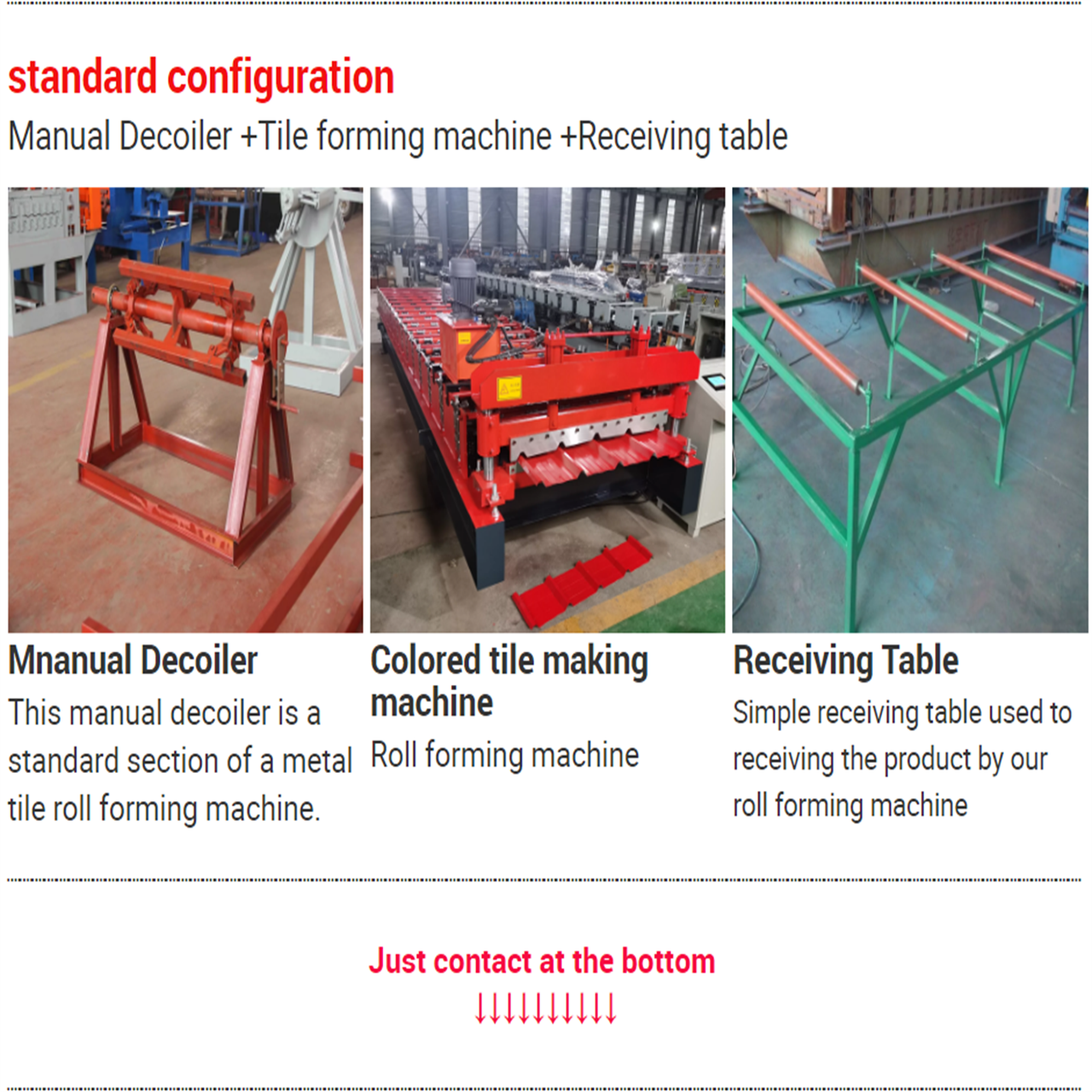
Roll forming is a continuous process which converts sheet metal into an engineered shape using consecutive sets of mated rolls, each of which makes only incremental changes in the form. The sum of these small changes in form is a complex profile.


