
The Region Already Runs These Machines
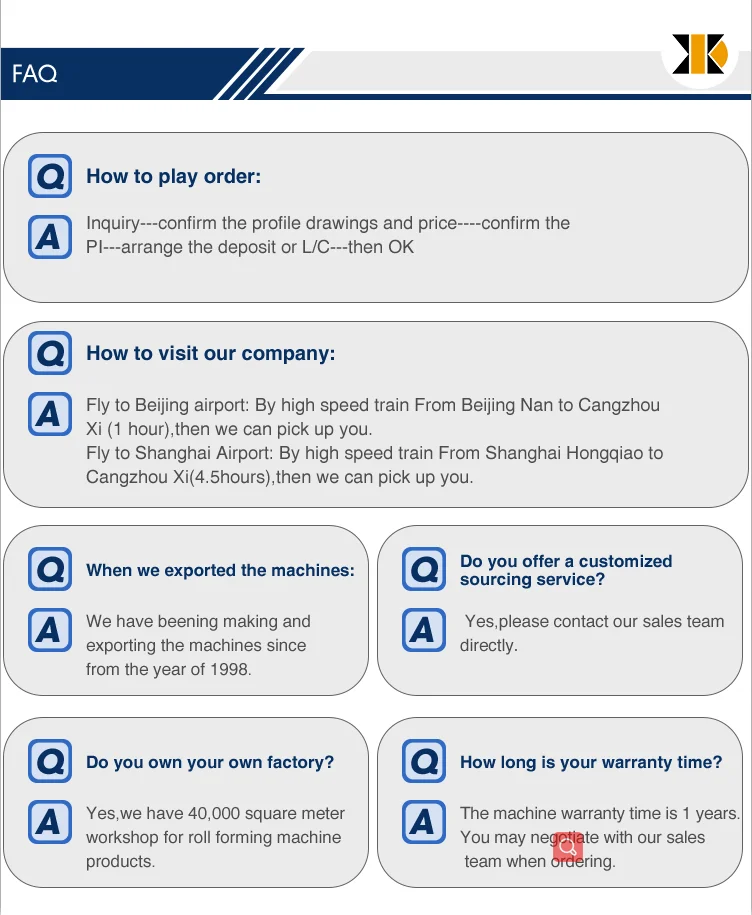
The first question a serious buyer asks is not “what does it cost” but “who already runs one here”. The factory’s blueprint and order records show purlin machine installations across the Middle East, including UAE (Dubai), Saudi Arabia, Oman, and Yemen, alongside other regional markets — recorded in the blueprint archive that also documents deliveries to Azerbaijan (DB099, CZU integrated, 2025), Algeria (DB088, DB089, 2024), Malaysia (DB093, 2025), and Singapore (DB097, 2025). For a Gulf buyer, the relevant reading is simple: the region’s profile conventions, the export electrical configurations, and the commissioning logistics have been exercised before.
Two Markets, Two Demand Structures
United Arab Emirates — the Re-Export and Logistics Market The UAE’s demand for structural sections runs on three engines: logistics and warehousing construction (the emirates’ free zones and industrial areas), industrial and commercial buildings, and utility-scale solar. What distinguishes the UAE market commercially is its role as a re-export and distribution hub: a UAE purlin producer may supply sections into neighbouring markets, which puts a premium on the machine’s range and changeover speed — the ability to quote whatever section a project specifies, on a schedule short enough to serve a distribution business.
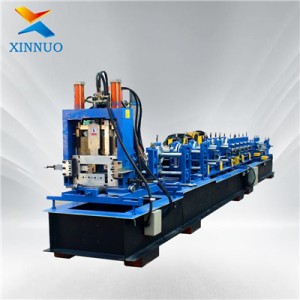
Saudi Arabia — the Volume Market Saudi demand runs on industrial and logistics construction volume and on the country’s renewable-energy build-out, which consumes C and Z class sections as mounting rails and posts. The commercial character of the Saudi market is volume: larger order quantities, longer production campaigns per profile, and a stronger case for high-throughput configurations — the flying-cut shear, the multi-size computer-controlled machine, or the CZU flagship that covers C, Z, and U from one frame.
The Gulf Procurement Checklist (海湾采购核对清单) Regardless of tier, four items must be settled before the order, because they are decided by the site rather than by the machine:
- Electrical supply — confirm your site’s voltage and frequency. The factory’s standard export configuration is 380V/50Hz, with regional options including 415V/50Hz, 440V/60Hz, and 220V/60Hz. Gulf markets differ, and the machine’s electrical configuration is built to the order — so the site supply must be confirmed at the quotation stage, not after arrival.
- Coil supply — the coil width, thickness range, and coil weight your market supplies. The standard decoiler on these machines is rated for 5-tonne coils against an industry norm of 3 tonnes.
- Site envelope — bay length, crane coverage, and coil storage. Documented line lengths run from approximately 19.6 m (standard C line) to 22.9 m (CZ standard line), with the flagship CZ quoted at 22.5 m × 2.1 m × 2.2 m.
- Operator skill — who will run and maintain the line. The machines ship with detailed video operation guides plus on-site installation and training, and the self-programmed PLC is supported directly by the factory’s engineers over video call.
A Note on Market Description (关于市场描述的说明) The demand characterisation above is a qualitative commercial reading, not a statistical claim: it describes what drives section demand in each market (construction, logistics, solar, re-export), and how that shapes configuration choice. It deliberately does not quote market shares or project volumes — those should come from the buyer’s own market intelligence and the buyer’s own order book, which is the only data that matters for a specific investment decision.
♦ COMPANY PROFILE:
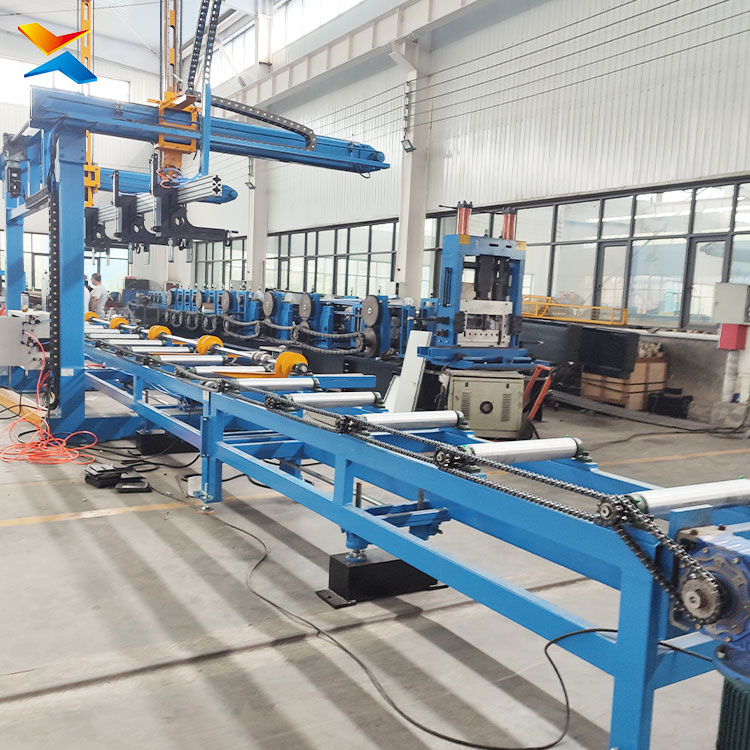
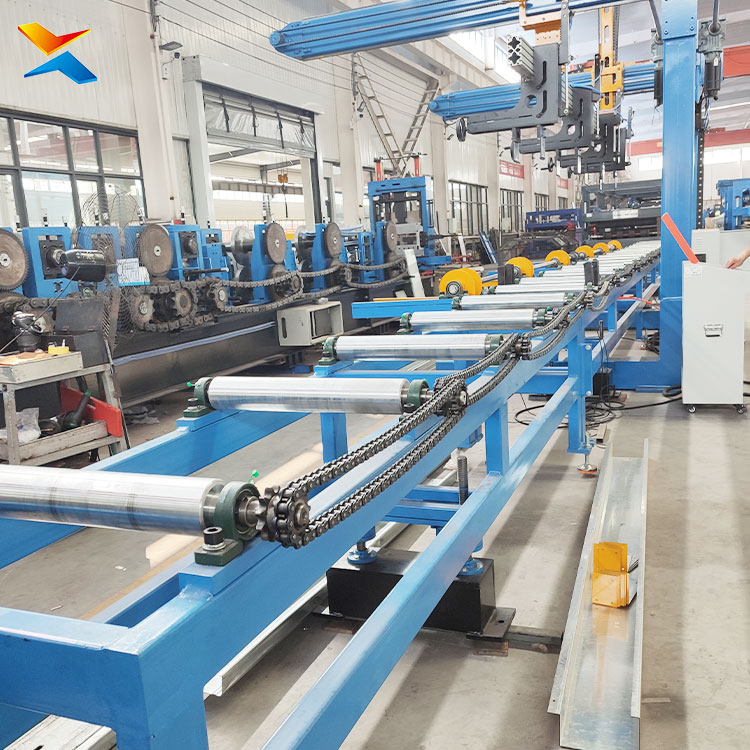
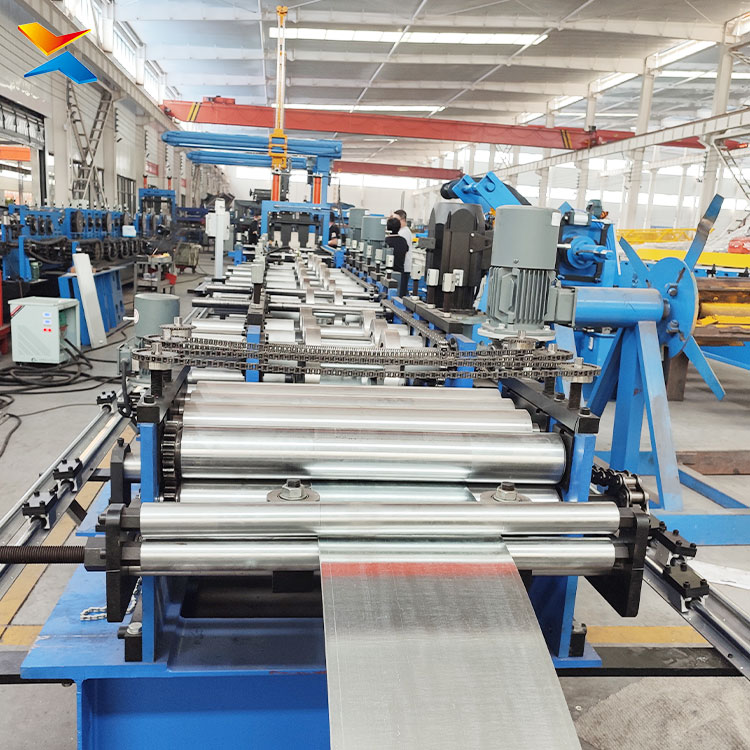
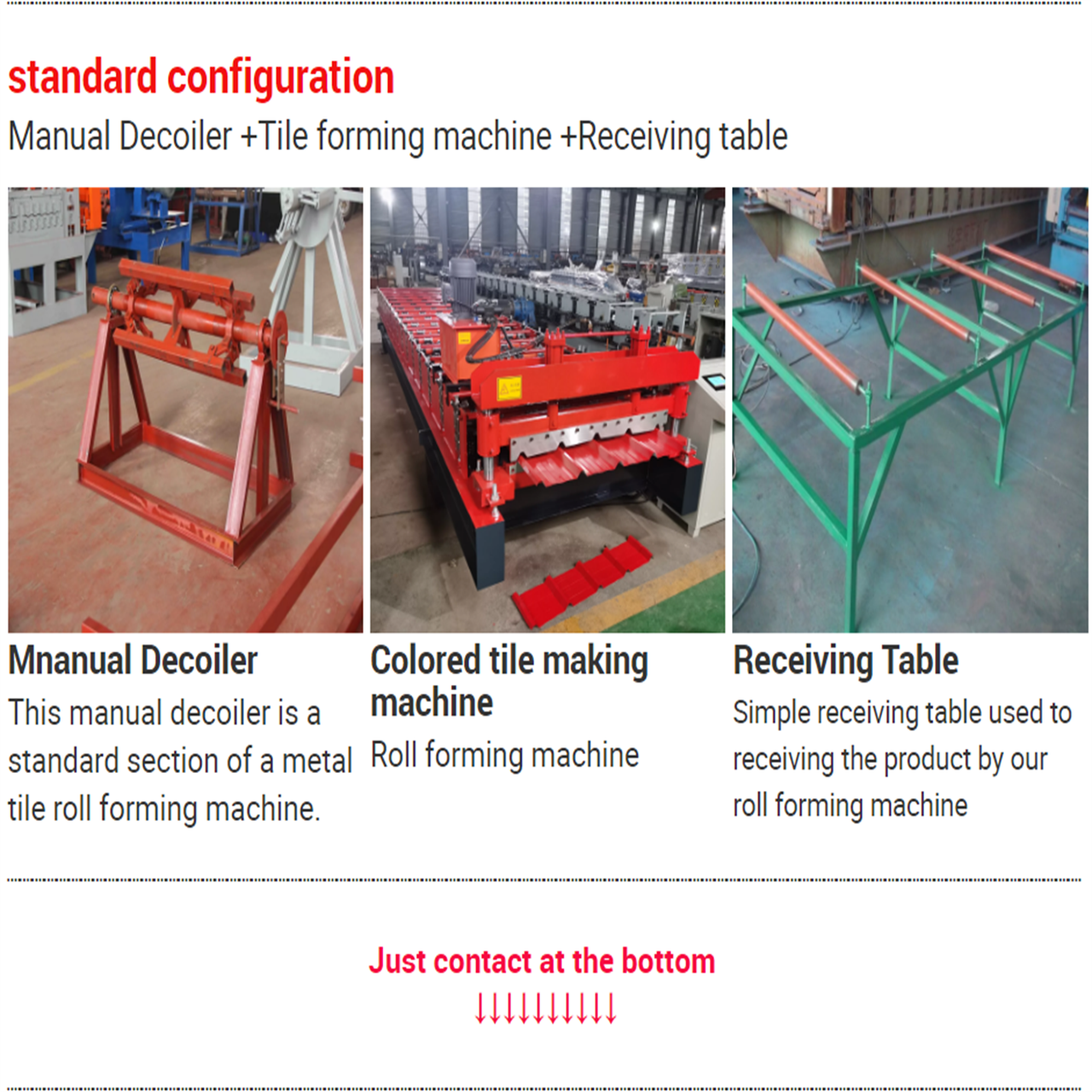
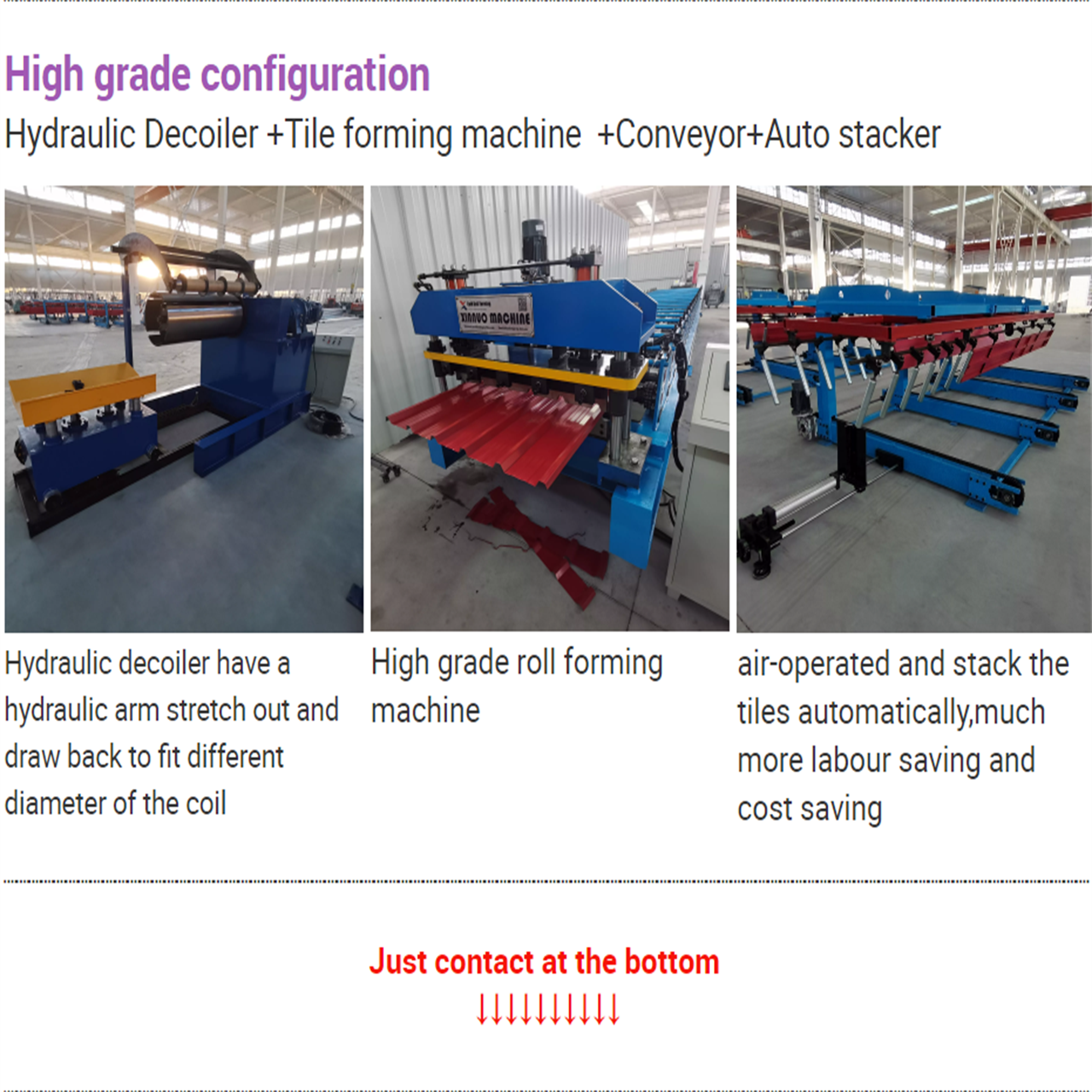
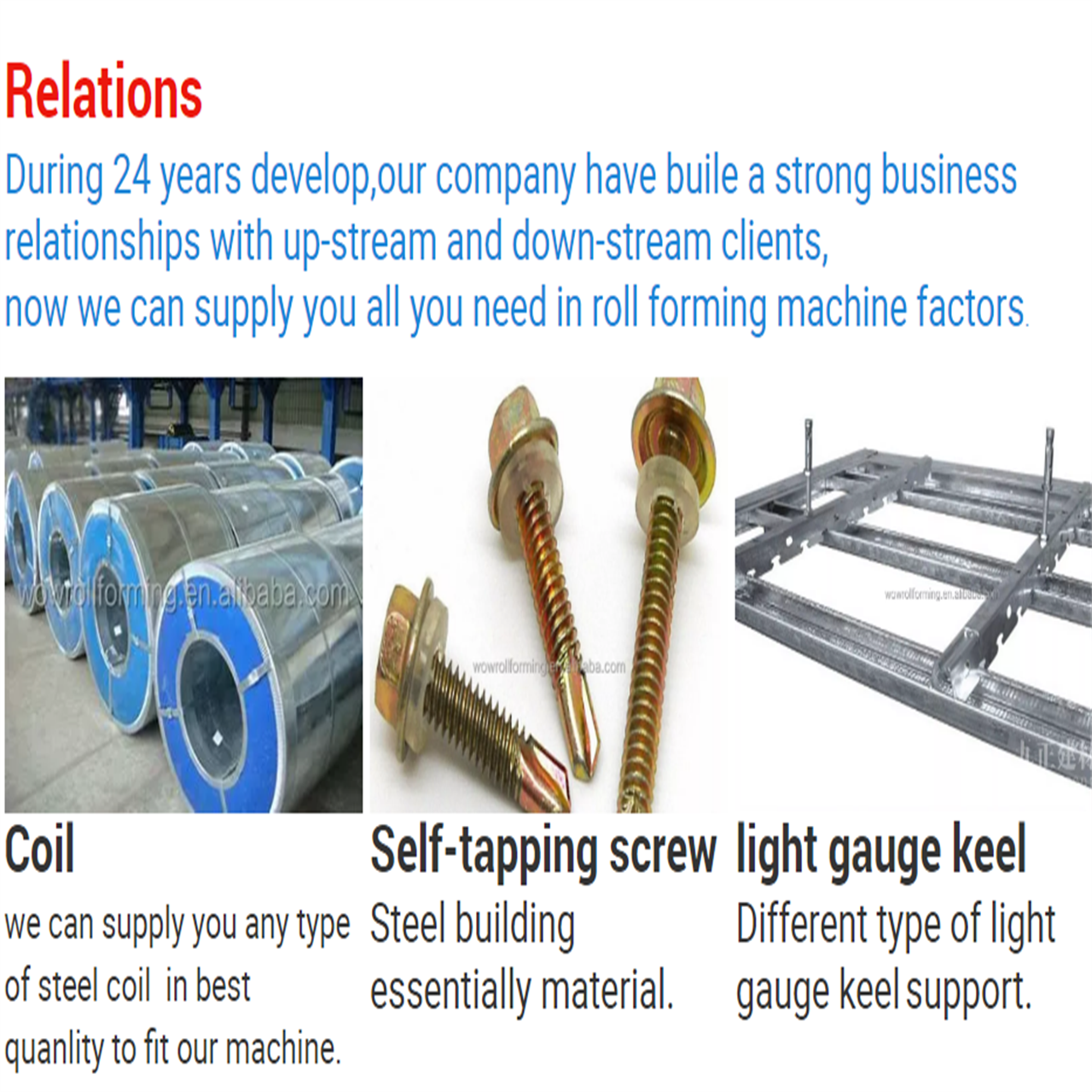
Hebei Xinnuo Roll Forming Machine Co., Ltd., not only produce different types of professional roll forming machines, but also develop intelligent automatic roll forming production lines, C&Z shape purline machines, highway guardrail roll forming machine lines, sandwich panel production lines, decking forming machines, light keel machines, shutter slat door forming machines, downpipe machines, gutter machines, etc.
Advantages of Roll Forming A Metal Part
There are several advantages of using roll forming for your projects:
- The roll forming process allows operations such as punching, notching, and welding to be performed in-line. Labor cost and time for secondary operations are reduced or eliminated, reducing part costs.
- Roll form tooling allows for a high degree of flexibility. A single set of roll form tools will make almost any length of the same cross-section. Multiple sets of tools for varying length parts are not required.
- It can provide better dimensional control than other competing metal forming processes.
- Repeatability is inherent in the process, allowing easier assembly of roll formed parts into your finished product, and minimizing problems due to “standard” tolerance build up.
- Roll forming is typically a higher speed process.
- Roll forming offers customers a superior surface finish. This makes roll forming an excellent option for decorative stainless steel parts or for parts requiring a finish such as anodizing or powder coating. Also, texture or pattern can be rolled into the surface during forming.
- Roll forming utilizes material more efficiently than other competing processes.
- Roll formed shapes can be developed with thinner walls than competing processes
Roll forming is a continuous process which converts sheet metal into an engineered shape using consecutive sets of mated rolls, each of which makes only incremental changes in the form. The sum of these small changes in form is a complex profile.