


Roof Arch Roll Forming Machine – The Automatic Metal Arch Panel Making Machine from the Factory
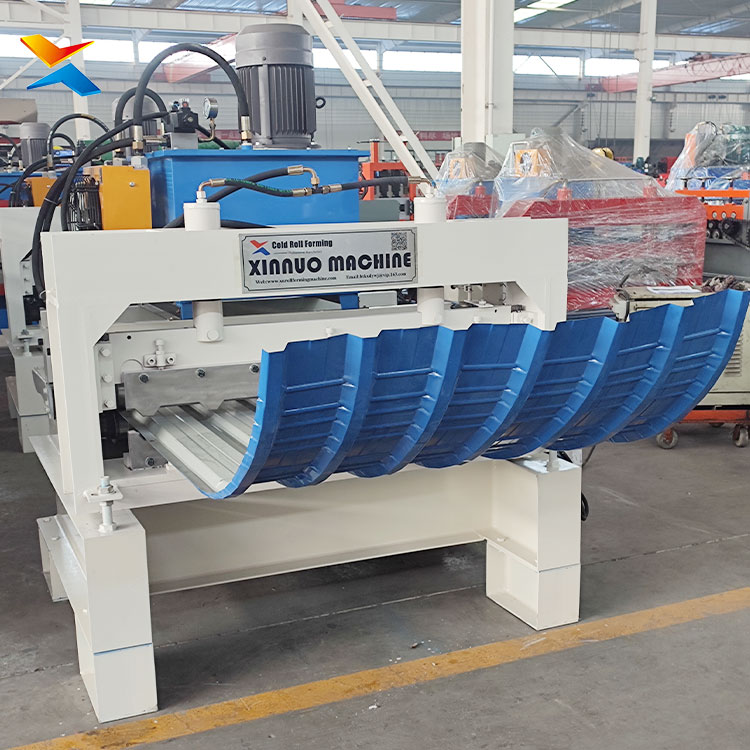
“Automatic” is the word that separates the arch panel factories that scale from the workshops that stay small. In arch panel production, automation means one thing above all: the line that runs — coil in, curved arch panel out, continuously, at the set length, without the operator carrying sheets between stations or measuring each cut by hand. The automatic metal arch panel making machine is that line, and the roof arch roll forming machine from Hebei Xinnuo is built around exactly this definition.
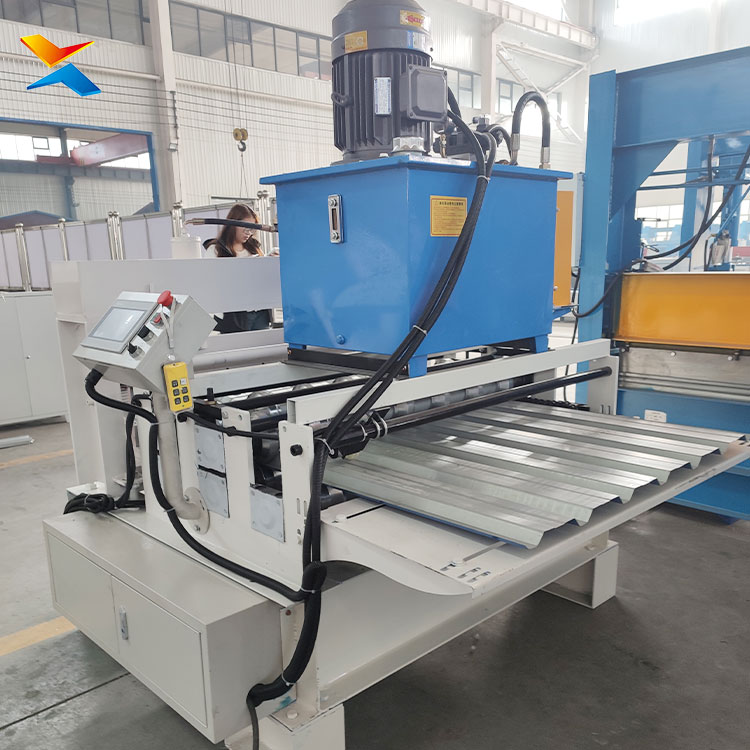
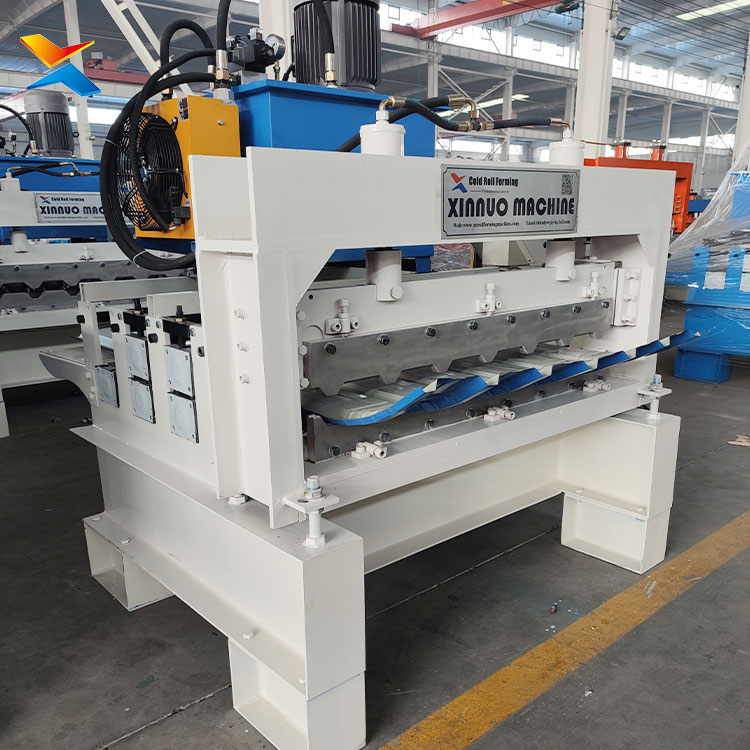
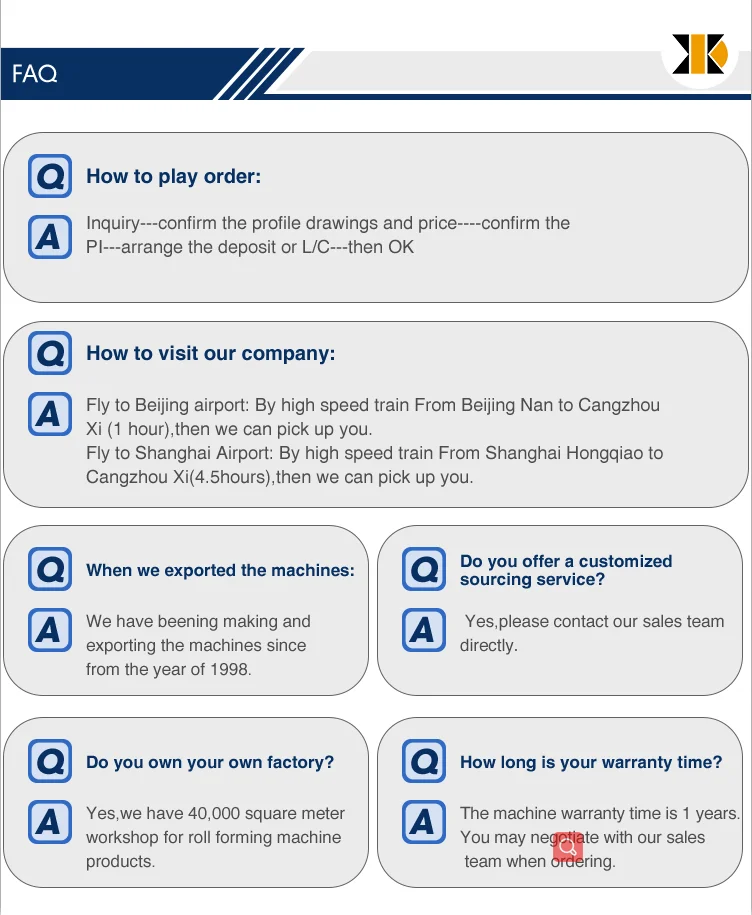
Xinnuo’s arch panel making machines — the QG-series in-line curving machines and the DG/DB-series hydraulic arch-pressing machines — are factory machines from the plant in Botou, Hebei, built on a 60-profile production-proven arch curving archive (QG001–QG017, DG001–DG032, DB033–DB043, customer records 2011–2025).
What the Title Says, Decoded
- Roof Arch Roll Forming Machine — the machine class: roll forming shapes the panel profile; the arch curving unit bends it to the roof’s radius.
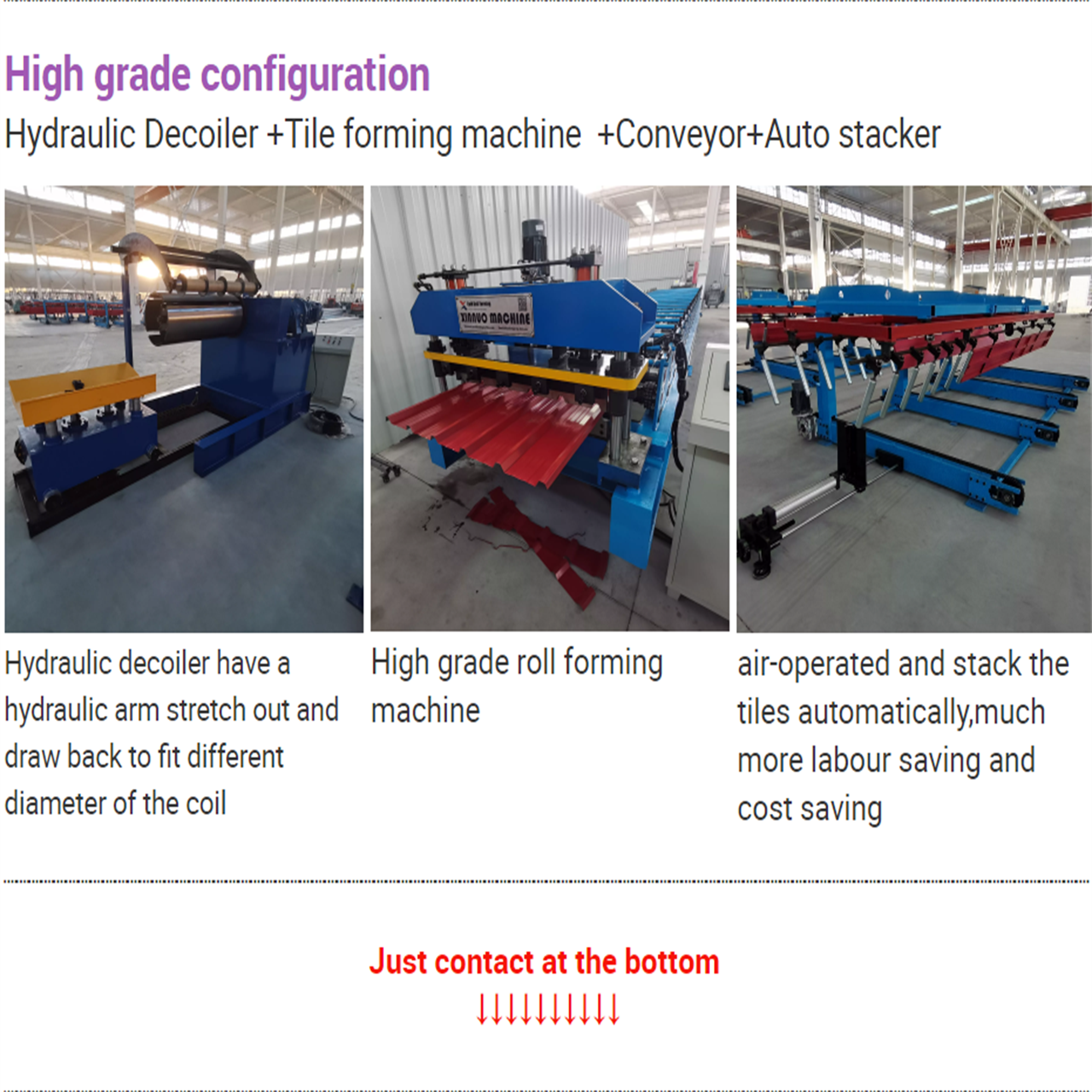
- Automatic Metal Arch Panel Making Machine — the capability named for its operation: automatic production of metal arch panels. The QG in-line route is the automatic route by nature — forming and curving share one continuous pass; the DG/DB route automates the curving station of a production line that already exists.
- Factory — the supply signal: the machine comes from the factory whose archive, records, and process control stand behind it.
The Automatic Definition — What It Means and What It Does Not
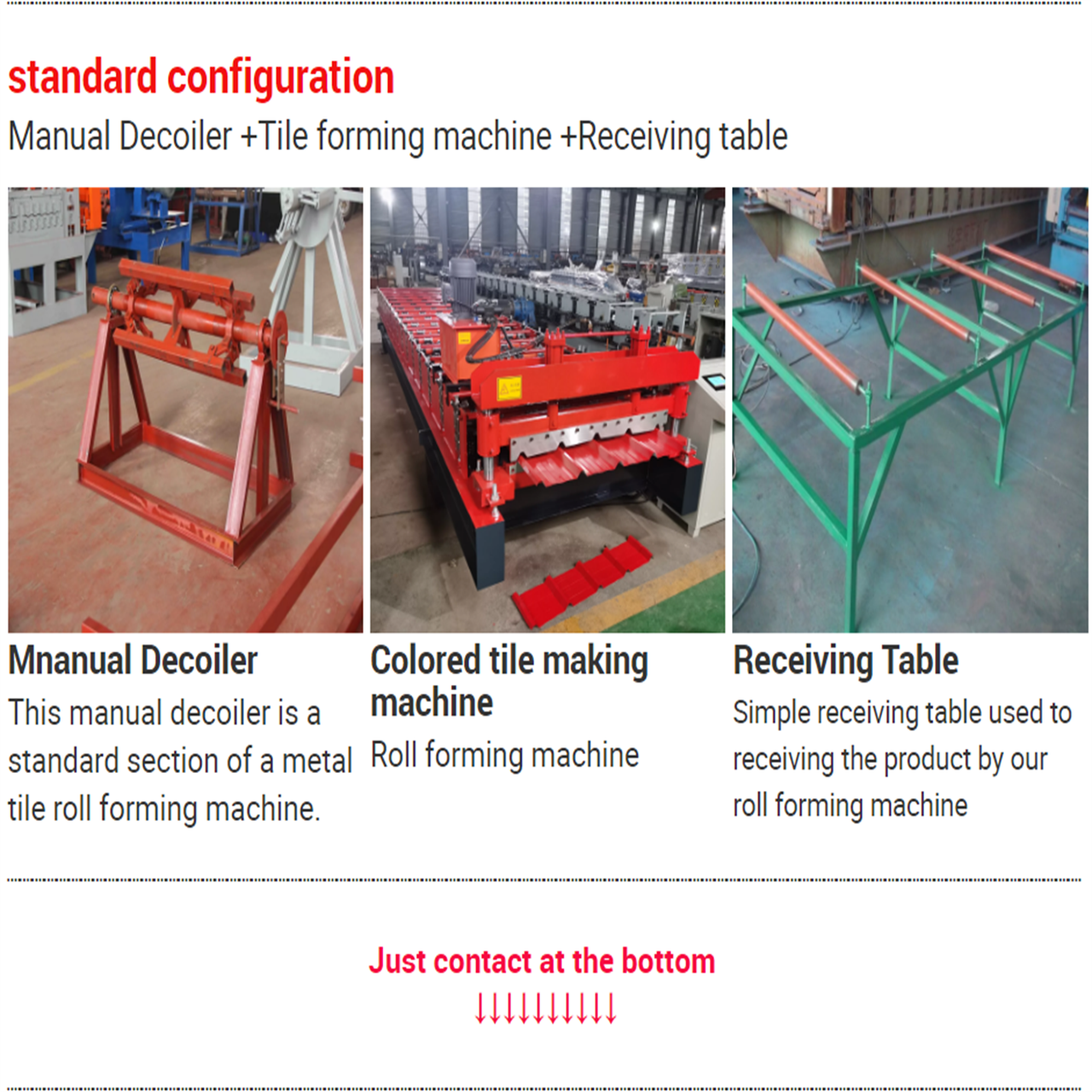
Automation in arch panel making means: continuous coil feed, forming and curving in one flow, panel cut to the set length by the line’s cut-off (not by hand-measured cuts), repeatable output across the production day. It does not mean unmanned operation: coil changing, profile/radius adjustments, and maintenance remain operator tasks — the honest boundary of every arch panel line. [Line automation options — PLC control, automatic cut-off, stacking — are confirmed against the machine configuration at inquiry.]
Why the Middle East Producer Should Read This Page
The region’s arch panel producers sit at different points on the automation ladder: some cut curved panels by hand methods, some run single machines, some run full automatic lines. This page is written for the producer who wants the next rung — who wants the line to run itself between operator tasks, and who wants the production economics that continuous automatic output delivers.


♦ COMPANY PROFILE:
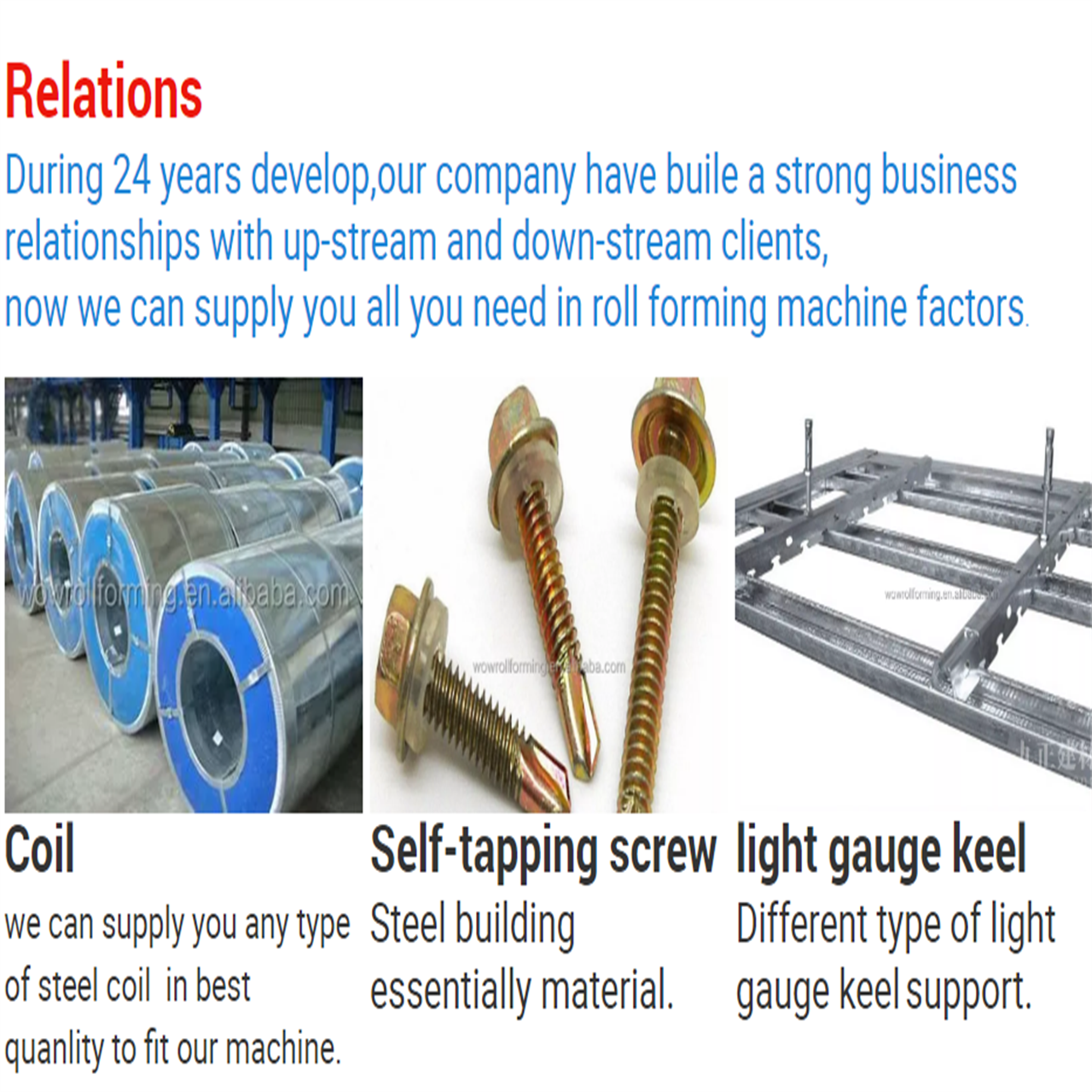
Hebei Xinnuo Roll Forming Machine Co., Ltd., not only produce different types of professional roll forming machines, but also develop intelligent automatic roll forming production lines, C&Z shape purline machines, highway guardrail roll forming machine lines, sandwich panel production lines, decking forming machines, light keel machines, shutter slat door forming machines, downpipe machines, gutter machines, etc.
Advantages of Roll Forming A Metal Part
There are several advantages of using roll forming for your projects:
- The roll forming process allows operations such as punching, notching, and welding to be performed in-line. Labor cost and time for secondary operations are reduced or eliminated, reducing part costs.
- Roll form tooling allows for a high degree of flexibility. A single set of roll form tools will make almost any length of the same cross-section. Multiple sets of tools for varying length parts are not required.
- It can provide better dimensional control than other competing metal forming processes.
- Repeatability is inherent in the process, allowing easier assembly of roll formed parts into your finished product, and minimizing problems due to “standard” tolerance build up.
- Roll forming is typically a higher speed process.
- Roll forming offers customers a superior surface finish. This makes roll forming an excellent option for decorative stainless steel parts or for parts requiring a finish such as anodizing or powder coating. Also, texture or pattern can be rolled into the surface during forming.
- Roll forming utilizes material more efficiently than other competing processes.
- Roll formed shapes can be developed with thinner walls than competing processes
Roll forming is a continuous process which converts sheet metal into an engineered shape using consecutive sets of mated rolls, each of which makes only incremental changes in the form. The sum of these small changes in form is a complex profile.


