


Heavy Duty Hydraulic Press Brake CNC – The Sheet Metal & Plate Bending Folding Machine for Steel Working
Steel working is the industry that shapes steel into structures — and no machine shapes steel more fundamentally than the press brake. The heavy duty hydraulic press brake from Hebei Xinnuo is the CNC sheet metal plate bending folding machine for the steel working sector: engineered for the thick plate, the heavy components, and the industrial duty cycles that define heavy fabrication.
This is the machine tier for workshops that bend structural plate — 6 mm, 10 mm, 16 mm and beyond — for steel buildings, heavy equipment, tanks, and infrastructure components. Where a light press brake folds sheet metal for ductwork and cabinets, the heavy duty press brake folds the plate that carries buildings and machinery. The difference is not a bigger version of the same machine; it is a different engineering regime: heavier frames, deeper hydraulics, more rigorous deflection control, and the CNC systems that manage thick-plate springback.
The title of this machine says exactly what it covers: sheet metal and plate — the full thickness range from thin sheet to structural plate — bending and folding — the two terms the industry uses for the same fundamental operation of forming a straight-line bend — for steel working — the sector that consumes the largest share of press brake capacity in the Middle East.
Decoding the Title — and Turning It into Capability
- Heavy Duty — the machine tier built for thick plate and industrial duty cycles, not occasional light work.
- Hydraulic Press Brake — the machine class that applies bending force through hydraulic cylinders: smooth, controllable, full-force holding at the bottom of the stroke — the force delivery that thick plate requires.
- CNC — computer numerical control: programmed bend sequences, Y1/Y2 synchronized cylinders, back gauge positioning, and angle management with springback compensation.
- Sheet Metal & Plate — the full thickness range: sheet (thin, up to ~3 mm) for light fabrication, and plate (3 mm and above) for structural work. The heavy duty machine covers both — one machine from ductwork gauge to structural gauge.
- Bending / Folding — industry terms for the same operation (forming a straight-line bend); many markets use them interchangeably, which is why both appear in machine titles.
- Steel Working — the sector: steel structure fabrication, heavy equipment, tanks, infrastructure — the applications this page focuses on.
Why the Middle East’s Steel Working Sector Needs Heavy Duty Capacity
The region’s structural steel demand is at record levels: Saudi Arabia’s giga-projects and industrial cities, the UAE’s construction and manufacturing base, Qatar’s infrastructure completion phase, Iraq’s reconstruction, and Egypt’s industrialization. Steel structure fabrication is the largest consumer of press brake capacity — and the bending work in steel structures is largely thick plate: base plates, gusset plates, connection brackets, stiffeners, and splices in 6–25 mm plate. A workshop serving the steel working sector without heavy duty bending capacity either outsources its thick-plate work (paying another shop’s margin, losing control of schedule) or turns away the work. The heavy duty CNC press brake is the equipment that closes that gap.
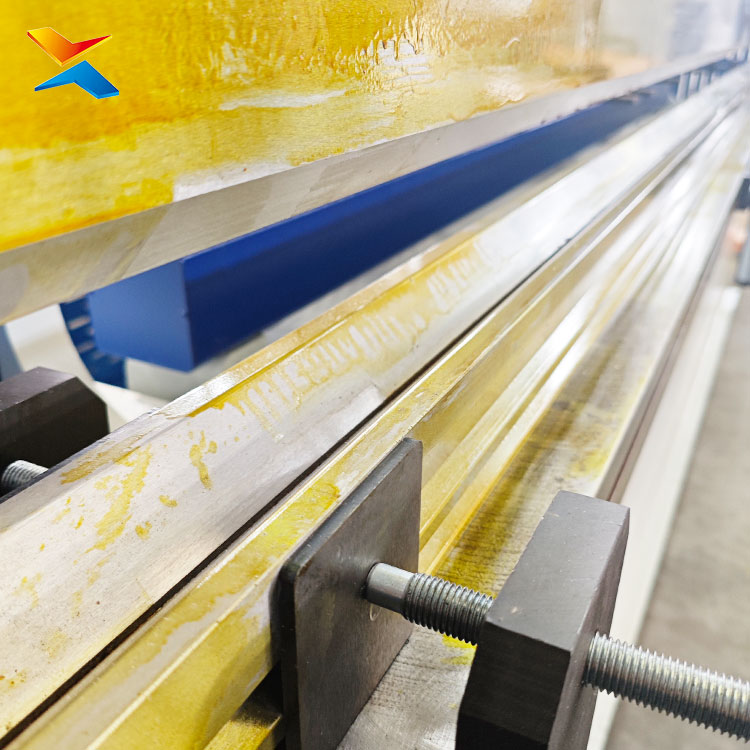
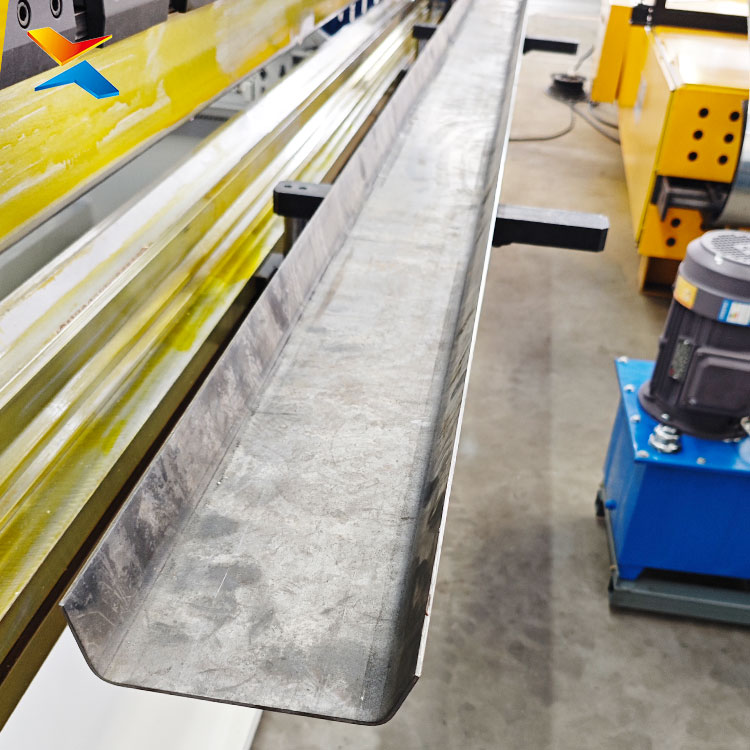
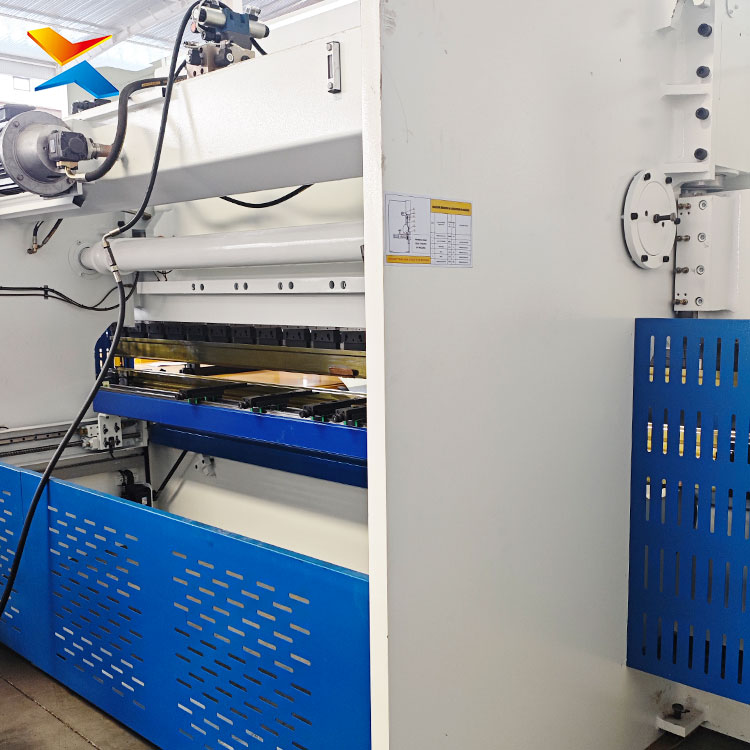



♦ COMPANY PROFILE:
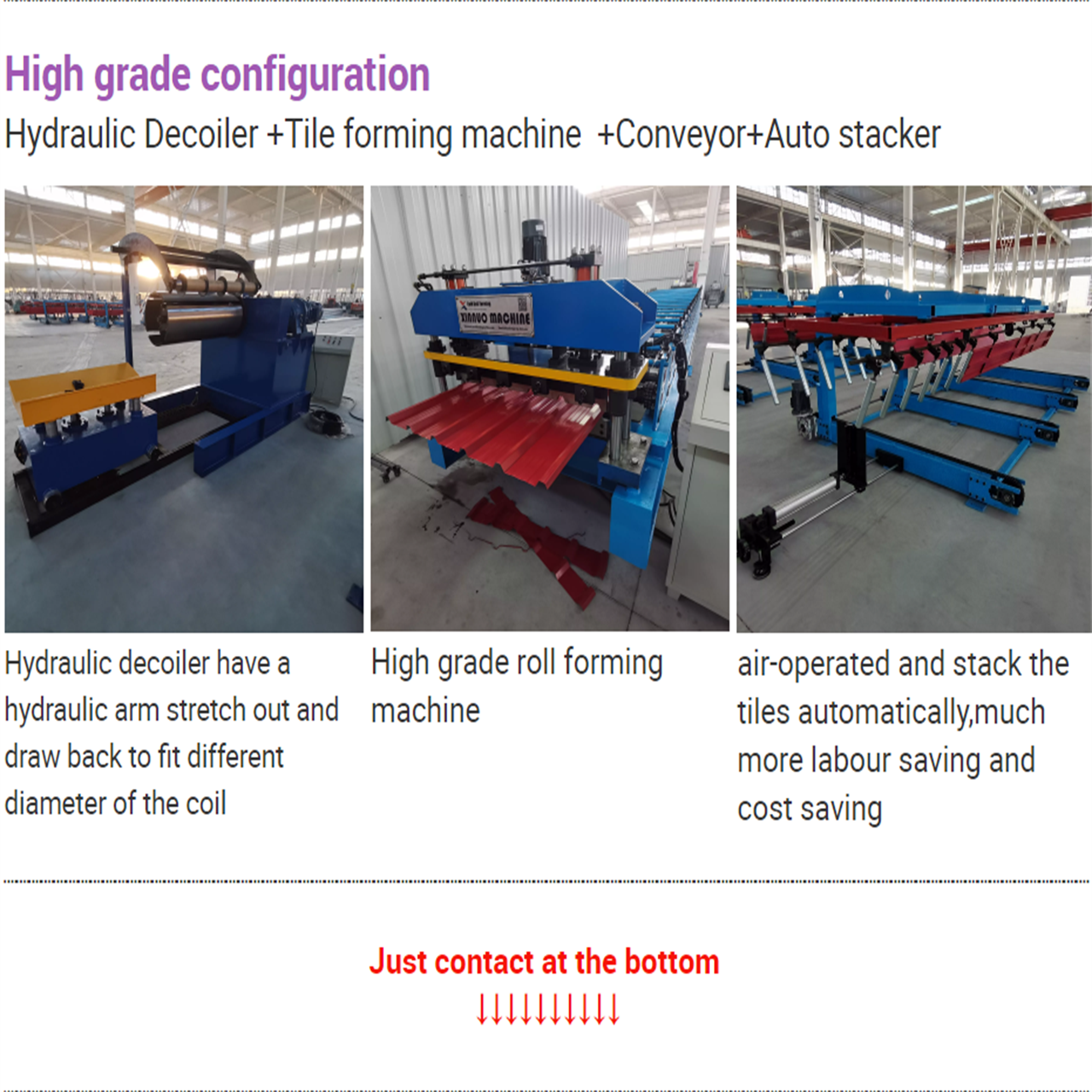
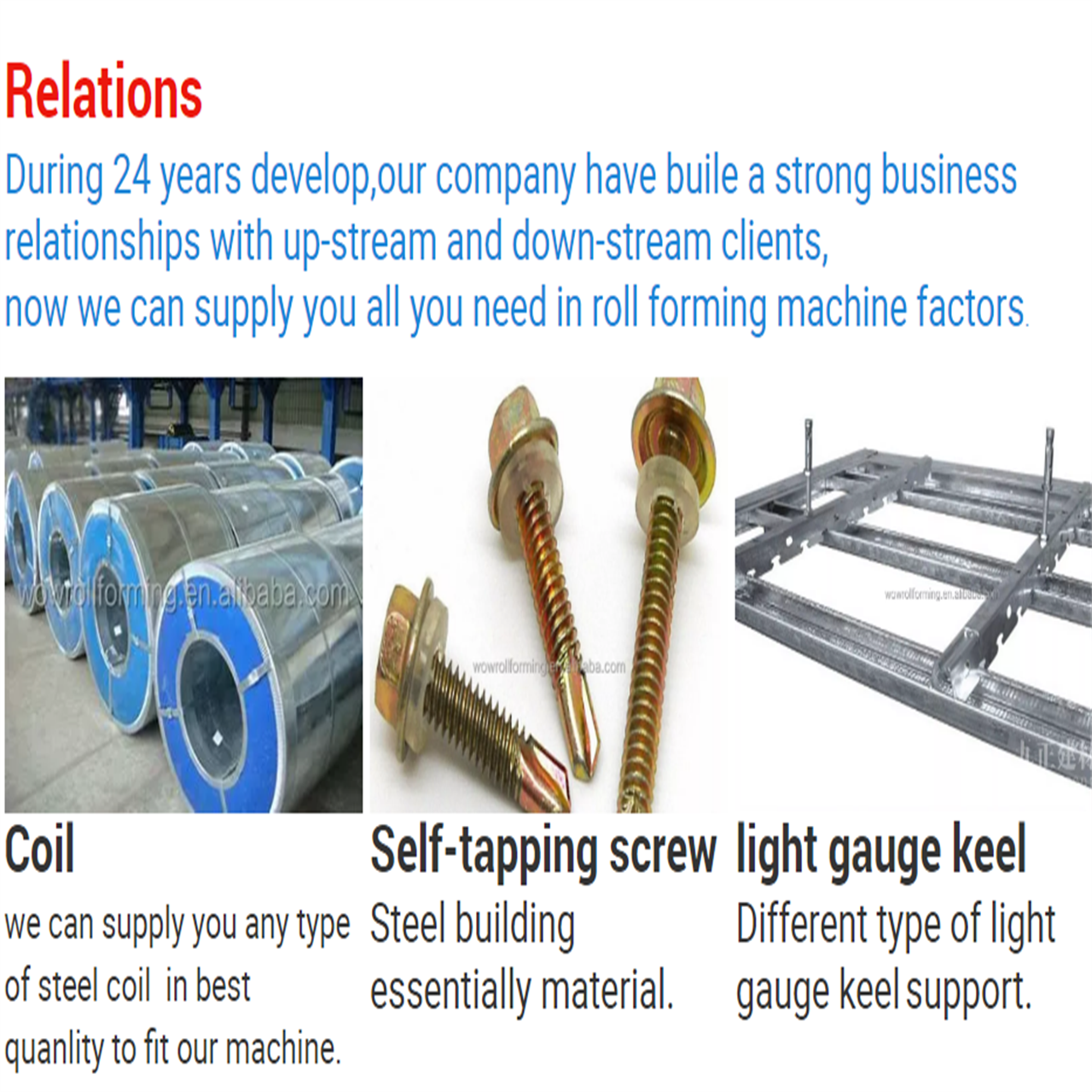
Hebei Xinnuo Roll Forming Machine Co., Ltd., not only produce different types of professional roll forming machines, but also develop intelligent automatic roll forming production lines, C&Z shape purline machines, highway guardrail roll forming machine lines, sandwich panel production lines, decking forming machines, light keel machines, shutter slat door forming machines, downpipe machines, gutter machines, etc.
Advantages of Roll Forming A Metal Part
There are several advantages of using roll forming for your projects:
- The roll forming process allows operations such as punching, notching, and welding to be performed in-line. Labor cost and time for secondary operations are reduced or eliminated, reducing part costs.
- Roll form tooling allows for a high degree of flexibility. A single set of roll form tools will make almost any length of the same cross-section. Multiple sets of tools for varying length parts are not required.
- It can provide better dimensional control than other competing metal forming processes.
- Repeatability is inherent in the process, allowing easier assembly of roll formed parts into your finished product, and minimizing problems due to “standard” tolerance build up.
- Roll forming is typically a higher speed process.
- Roll forming offers customers a superior surface finish. This makes roll forming an excellent option for decorative stainless steel parts or for parts requiring a finish such as anodizing or powder coating. Also, texture or pattern can be rolled into the surface during forming.
- Roll forming utilizes material more efficiently than other competing processes.
- Roll formed shapes can be developed with thinner walls than competing processes
Roll forming is a continuous process which converts sheet metal into an engineered shape using consecutive sets of mated rolls, each of which makes only incremental changes in the form. The sum of these small changes in form is a complex profile.
-
Hydraulic Press Brake Machine CNC Sheet Metal P...
-
Hydraulic Sheet Metal Bending Machine CNC Press...
-
CNC Bending Machine | High Precision | Automatic
-
High Efficiency Cambering Machine For Steel Sheet
-
High Precision Hydraulic Press Brake Machine fo...
-
Roof Arch Forming Machine Metal Arch Roll Formi...


