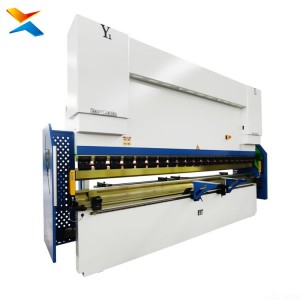


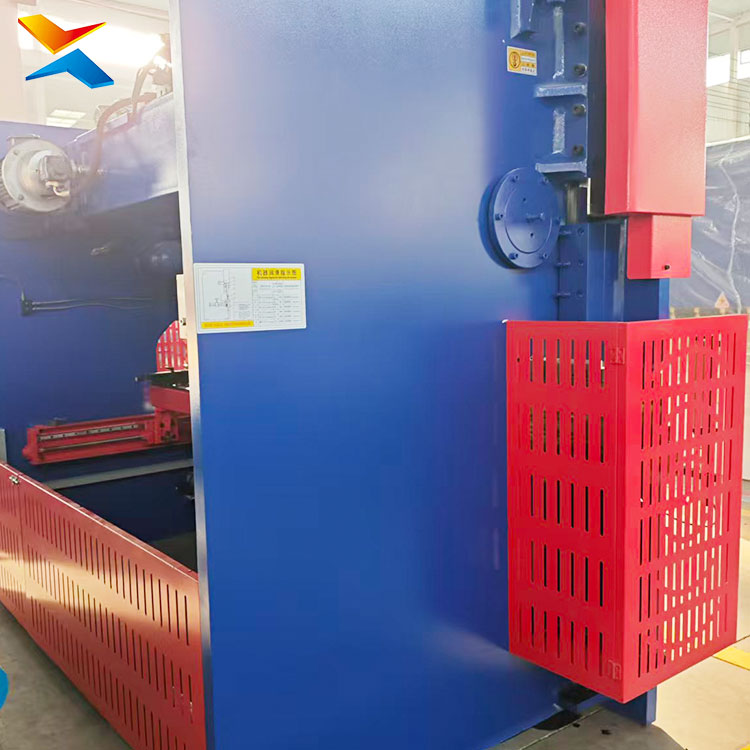
The Hebei Xinnuo Hydraulic Press Brake is a CNC sheet metal plate bending and folding machine designed for the metal working sector — the machine that performs the fundamental forming operation of folding flat sheet and plate metal into angles, channels, boxes, and structural shapes under precise control. Where a roll forming machine produces long continuous profiles, a press brake produces discrete bent workpieces: brackets, frames, enclosures, panels, ducts, and structural components — the fabricated parts that metal working workshops, steel fabrication shops, and manufacturing plants produce in countless varieties. The press brake’s operating principle is straightforward: the workpiece is positioned between an upper punch and a lower die, the hydraulic system drives the punch downward, and the sheet is bent to the angle defined by the tooling geometry and the punch’s depth of stroke. The CNC designation is what elevates the machine from a manual bending tool to a precision production system: computer numerical control manages the punch position, the back gauge positioning of the workpiece, and the bending sequence, converting the operator’s bending program into repeatable, accurate folds — the same part produced identically on the first piece and the thousandth piece.
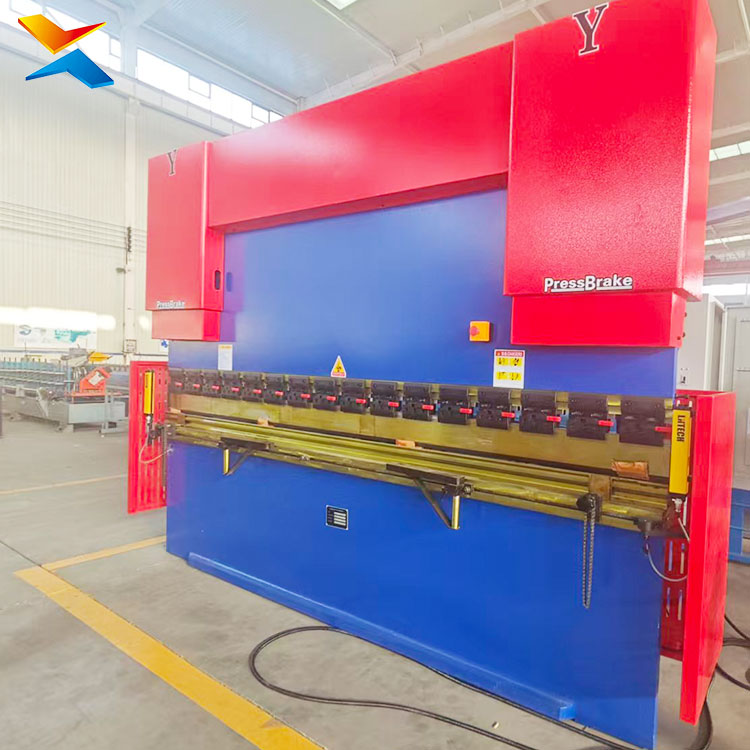
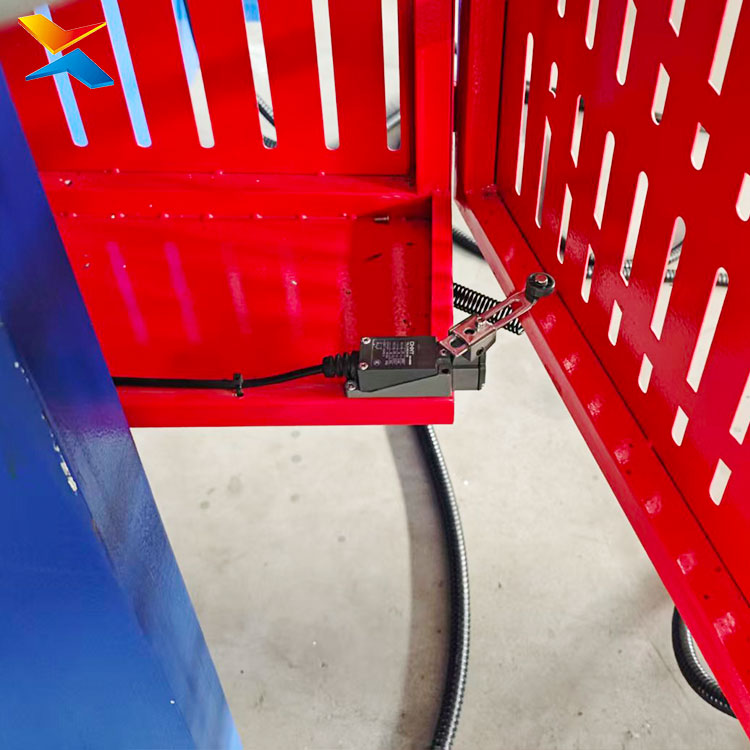
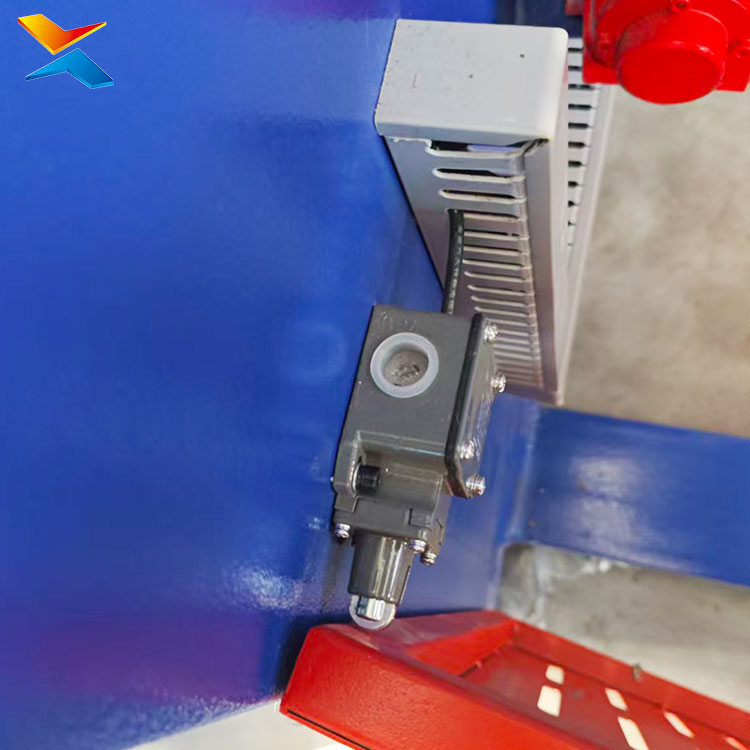
The machine is configured for the metal working applications that dominate the Middle East fabrication sector: structural steel fabrication (brackets, gusset plates, base plates, and connection angles for steel structure buildings); sheet metal enclosures and panels for equipment, switchgear, and HVAC systems; architectural metalwork (cladding profiles, flashings, and decorative elements); and general workshop fabrication serving the construction, infrastructure, and industrial maintenance sectors. The hydraulic bending system provides the forming force, delivered through a robust frame structure sized to the machine’s force capacity; the CNC control system manages the axis movements — the punch stroke, the back gauge position, and the supplementary axes — executing the operator’s programmed bending sequence with the repeatability that batch production and quality-controlled fabrication require. (Full specifications — bending force, working length, frame configuration, CNC control system, and tooling — are configured per the customer’s workpiece requirements; please provide your typical sheet thickness, maximum bending length, and production volume at inquiry for an exact quotation.)
For the Middle East market, the press brake addresses the fabrication capacity demands of the region’s steel structure and metal working sectors. Steel fabrication workshops across the GCC and wider Middle East produce the connection components, framing members, and sheet metal parts that every steel building and industrial facility requires — and a CNC press brake is the machine that turns raw sheet and plate into finished fabricated parts with the dimensional accuracy that structural and architectural specifications demand. The machine is delivered through Hebei Xinnuo’s established export and support infrastructure: factory-direct quotation, manufacturing to the customer’s configuration, on-site installation and commissioning by senior engineers, operator training covering CNC programming and bending quality inspection, 24/7 WeChat/WhatsApp remote technical support, and spare parts shipped via DHL express to ports and industrial hubs across the Middle East. The machine carries the documented quality credentials that Middle East industrial buyers apply to production equipment selection: ISO 9001:2015 certified manufacturing processes, CE certification issued by an EU Notified Body under the Machinery Directive 2006/42/EC, National High-Tech Enterprise certification, and Hebei Xinnuo’s 28-year manufacturing history with 14-year Alibaba Gold Supplier verification by SGS/TÜV on-site audits.



♦ COMPANY PROFILE:
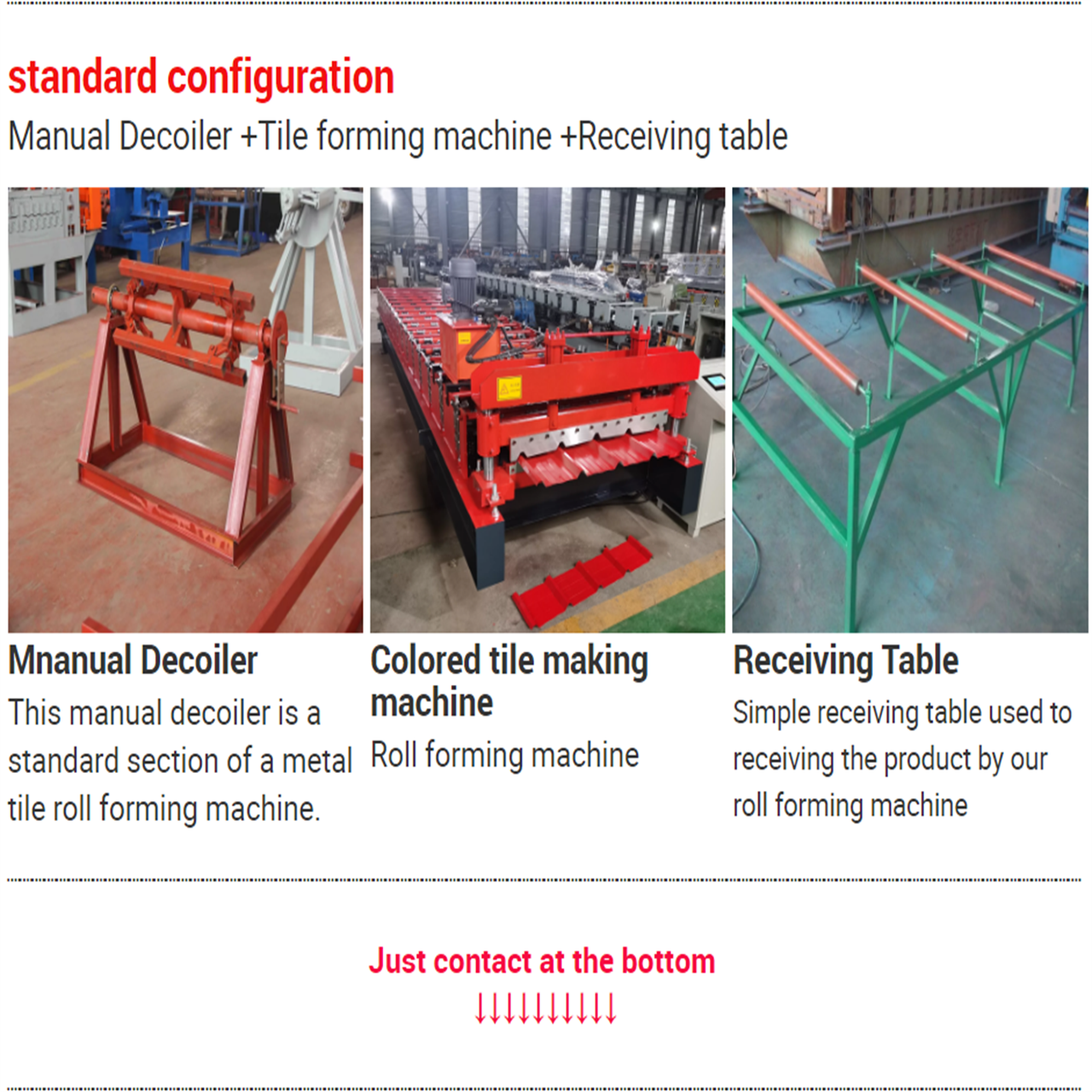
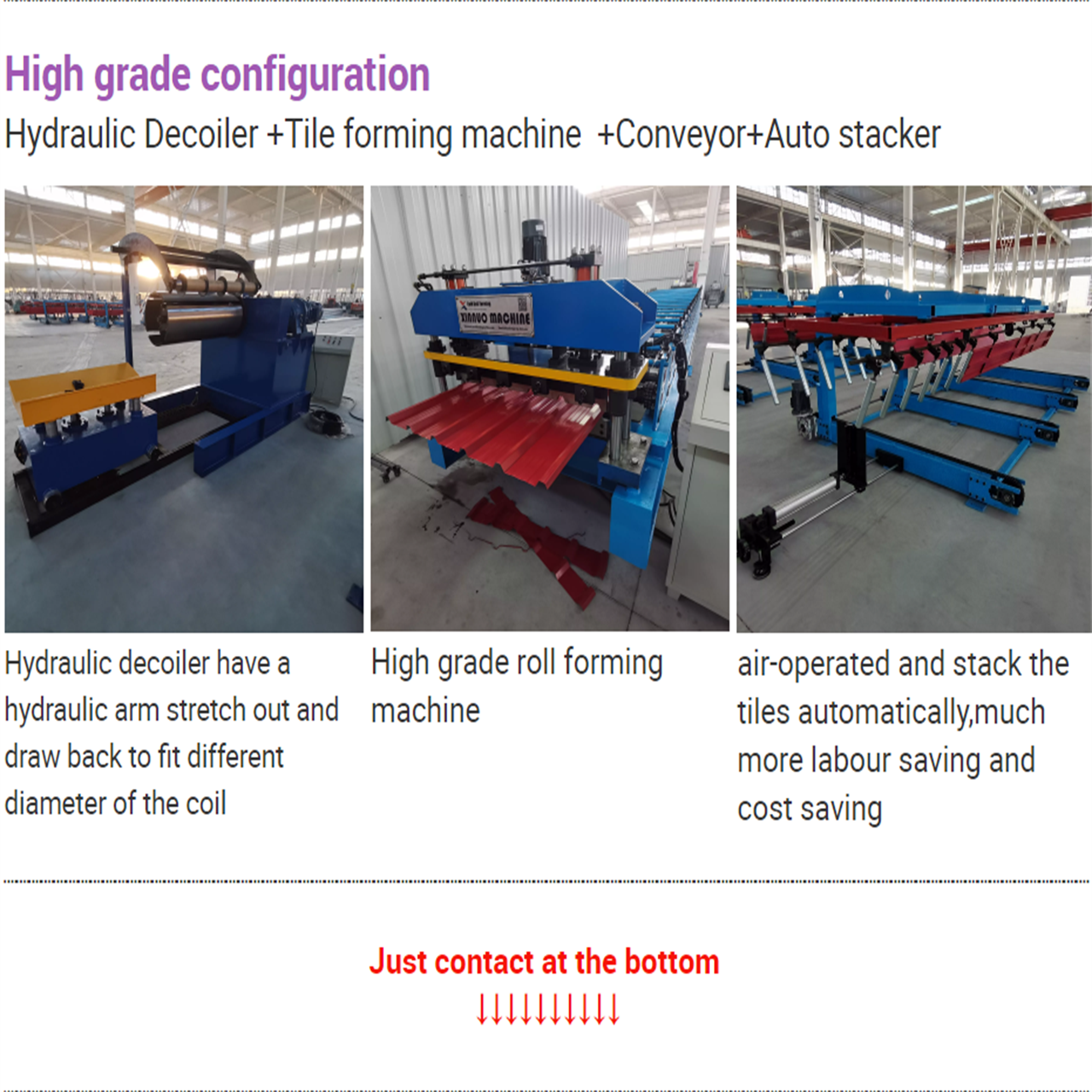
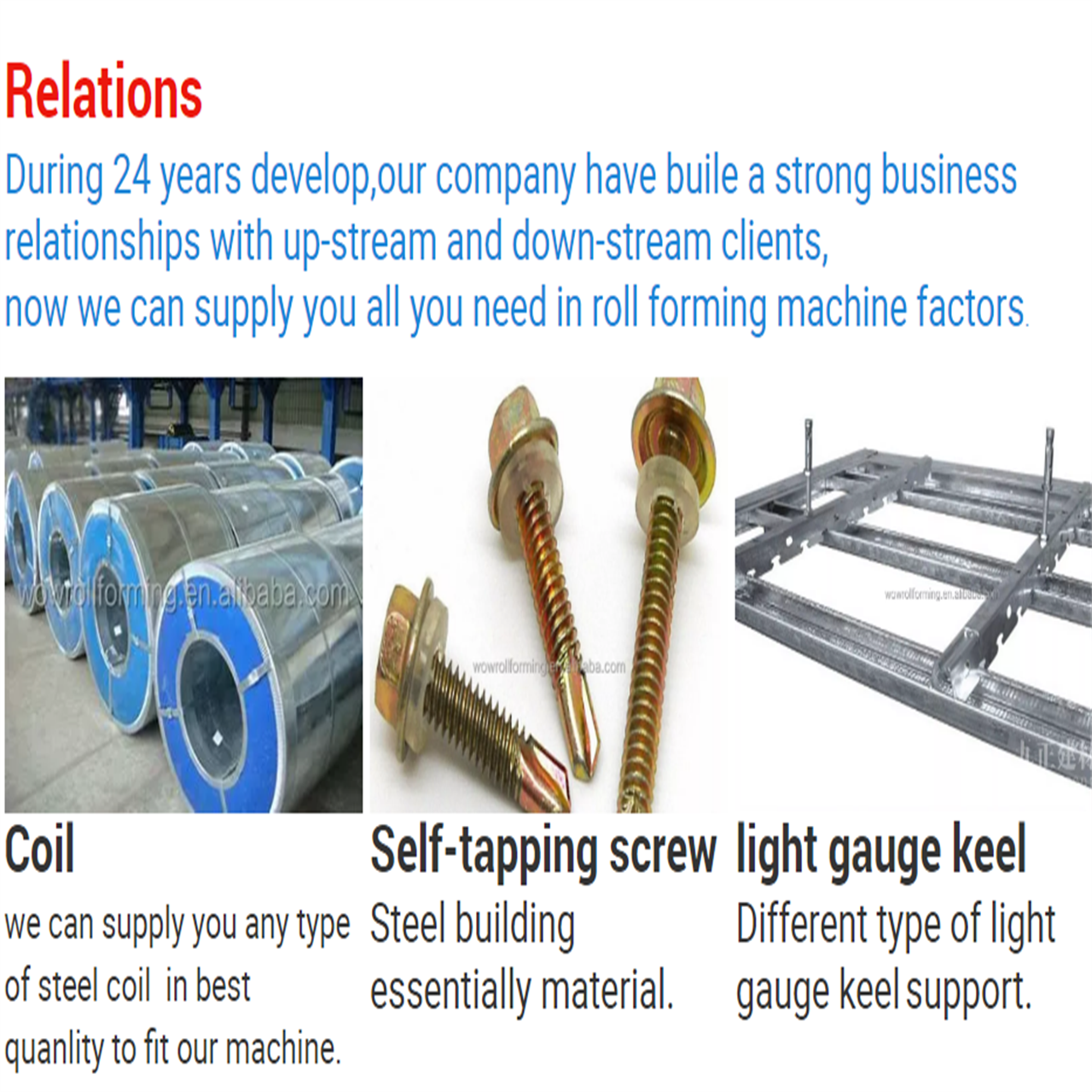
Hebei Xinnuo Roll Forming Machine Co., Ltd., not only produce different types of professional roll forming machines, but also develop intelligent automatic roll forming production lines, C&Z shape purline machines, highway guardrail roll forming machine lines, sandwich panel production lines, decking forming machines, light keel machines, shutter slat door forming machines, downpipe machines, gutter machines, etc.
Advantages of Roll Forming A Metal Part
There are several advantages of using roll forming for your projects:
- The roll forming process allows operations such as punching, notching, and welding to be performed in-line. Labor cost and time for secondary operations are reduced or eliminated, reducing part costs.
- Roll form tooling allows for a high degree of flexibility. A single set of roll form tools will make almost any length of the same cross-section. Multiple sets of tools for varying length parts are not required.
- It can provide better dimensional control than other competing metal forming processes.
- Repeatability is inherent in the process, allowing easier assembly of roll formed parts into your finished product, and minimizing problems due to “standard” tolerance build up.
- Roll forming is typically a higher speed process.
- Roll forming offers customers a superior surface finish. This makes roll forming an excellent option for decorative stainless steel parts or for parts requiring a finish such as anodizing or powder coating. Also, texture or pattern can be rolled into the surface during forming.
- Roll forming utilizes material more efficiently than other competing processes.
- Roll formed shapes can be developed with thinner walls than competing processes
Roll forming is a continuous process which converts sheet metal into an engineered shape using consecutive sets of mated rolls, each of which makes only incremental changes in the form. The sum of these small changes in form is a complex profile.