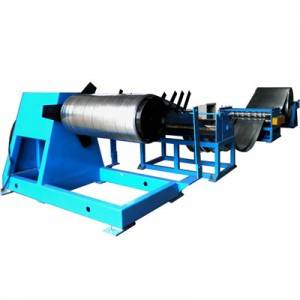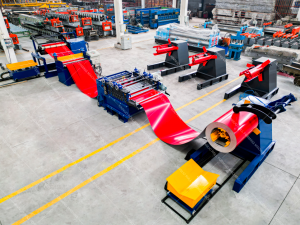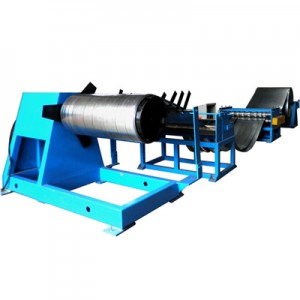


Xinnuo Steel Coil Slitting Line – The Automatic Metal Sheet Slitting & Rewinding Machine That Turns Wide Coil into Production-Ready Narrow Coil
Every roll forming machine in the world — every roof panel machine, every purlin machine, every floor deck machine — has one thing in common: it consumes steel coil of a specific width. A 1000-type roof panel machine needs 1200 mm or 1250 mm coil; a 686 IBR machine needs 940 mm coil; a purlin line needs the strip width of the purlin. For most of the Middle East, this creates a classic market problem: the local steel mill or importer stocks a limited range of coil widths, and a producer who needs an unusual width either pays a premium for special-width imports or accepts long lead times.
The Xinnuo steel coil slitting line solves this problem at its source. It takes a standard wide coil — the common widths available in every Gulf steel market — and slits it longitudinally into multiple narrow coils of exactly the widths your production needs, rewinding each strip onto its own coil. One slitting line converts coil inventory flexibility into production independence: buy wide coil at the best price, slit it to your exact widths, and feed your roll forming machines from your own coil stock. No special-order premiums. No waiting on imports. No dependence on a middleman’s width range.
This page is written for steel coil processors, roll forming machine owners, and building material producers across the Middle East. It explains what a slitting line does and how it works station by station, presents the Xinnuo slitting line range built from production-proven layouts, details the Middle East applications that drive slitting demand, and shows how a slitting line combines with Xinnuo roll forming machines into a complete, self-sufficient coil-to-panel production chain.
What Is a Coil Slitting Line?
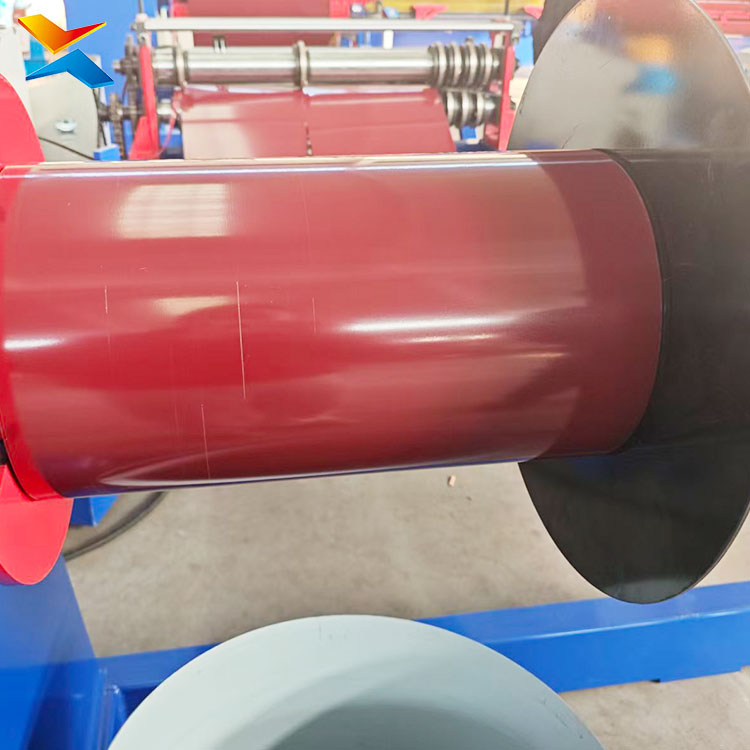
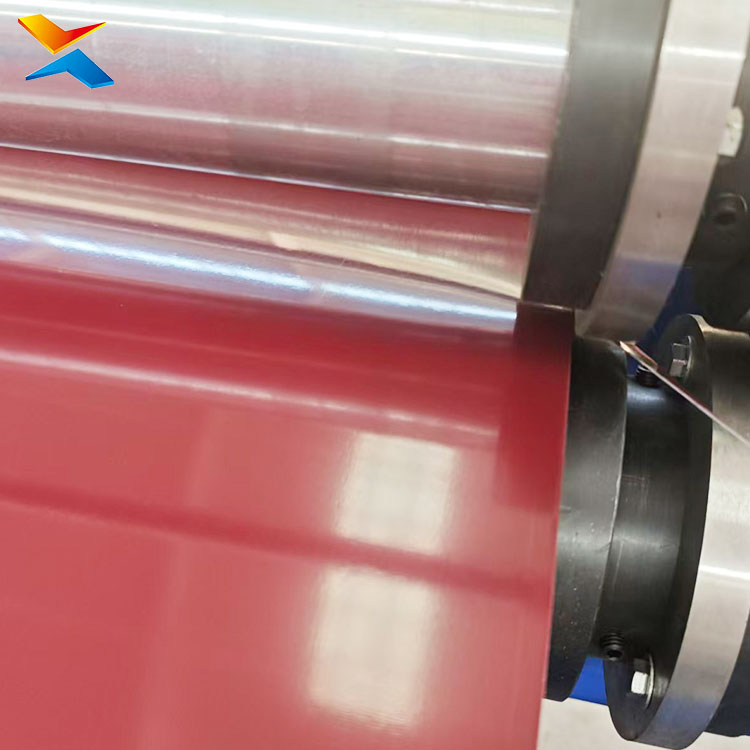
A coil slitting line is a processing line that cuts (slits) a wide steel coil lengthwise into multiple narrower coils in one continuous pass. The wide coil is mounted on the uncoiler, the strip is fed through a set of circular slitter blades (rotary shear) arranged at the exact widths required, the multiple narrow strips are separated, and each strip is rewound onto its own recoiler mandrel — producing several narrow coils from one wide coil in a single operation.
The line performs the same role in the steel industry that a sawmill performs for timber: it converts a standard raw input into the exact dimensions the downstream industry consumes. In the Middle East’s steel supply chain, the slitting line is the bridge between coil importers/traders and the roll forming, tube, and stamping industries that consume narrow strip.
Why “Automatic” Matters
The Xinnuo automatic slitting line takes the operator out of the precision loop: the strip is guided and tensioned automatically, the slitter blades are set to the programmed widths, the rewound coils are tensioned to prevent telescoping (the edges of the rewound coil staying aligned), and the line runs continuously at production speed. Automatic control means consistent slit width accuracy across the entire coil length — the dimension that determines whether downstream roll forming runs smoothly or fights with edge deviation all day. [Slitting width tolerance to be confirmed against the specific line configuration at inquiry.]
Xinnuo — a Brand Built on Coil Processing
Xinnuo (河北鑫诺) is a Chinese metal forming machinery manufacturer whose entire product line — roll forming machines, purlin lines, composite panel lines, floor deck machines — consumes steel coil. Building slitting lines is not a diversification for us; it is the natural extension of the coil processing expertise the factory has accumulated over 15 years. The same engineering team that designs coil feeding systems for our roll forming lines designs the slitting line, and the factory has delivered complete slitting and leveling lines to export projects — including a 2 mm leveling/slitting/rewinding line and an 8×1800 heavy-duty leveling line supplied to a Brazilian export project in 2024. The line you buy is engineered by the same manufacturer whose machines you already trust.


♦ COMPANY PROFILE:
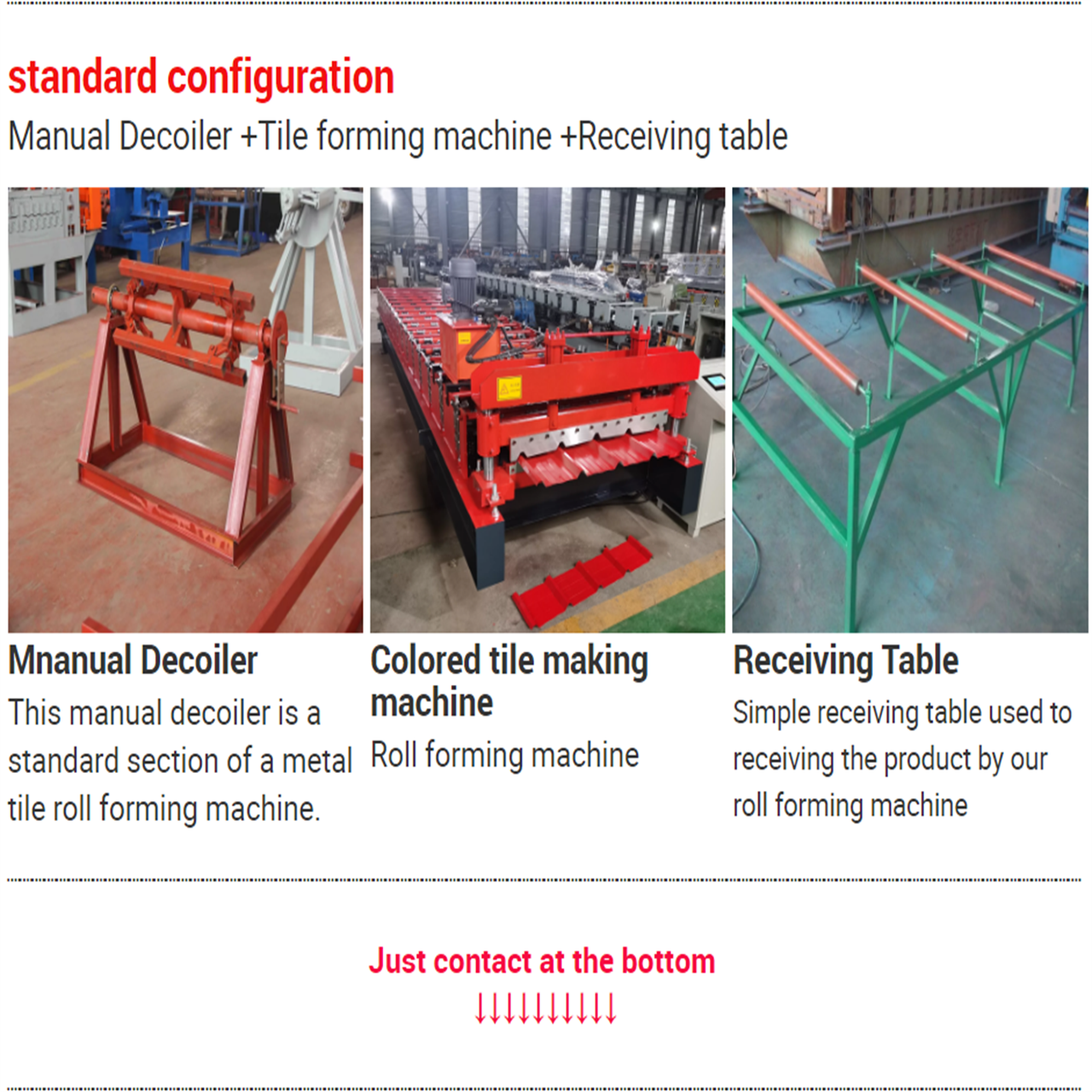
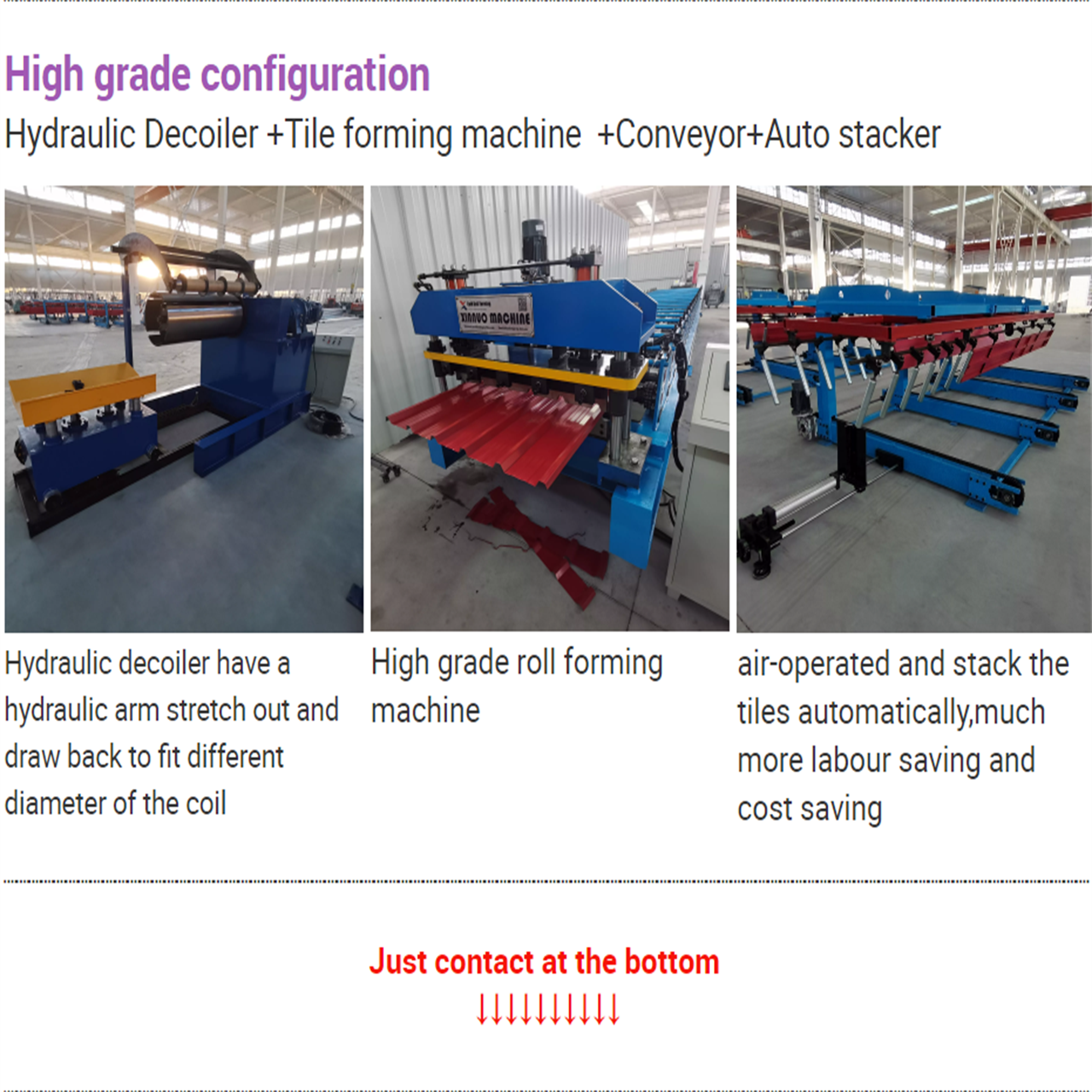
Hebei Xinnuo Roll Forming Machine Co., Ltd., not only produce different types of professional roll forming machines, but also develop intelligent automatic roll forming production lines, C&Z shape purline machines, highway guardrail roll forming machine lines, sandwich panel production lines, decking forming machines, light keel machines, shutter slat door forming machines, downpipe machines, gutter machines, etc.
Advantages of Roll Forming A Metal Part
There are several advantages of using roll forming for your projects:
- The roll forming process allows operations such as punching, notching, and welding to be performed in-line. Labor cost and time for secondary operations are reduced or eliminated, reducing part costs.
- Roll form tooling allows for a high degree of flexibility. A single set of roll form tools will make almost any length of the same cross-section. Multiple sets of tools for varying length parts are not required.
- It can provide better dimensional control than other competing metal forming processes.
- Repeatability is inherent in the process, allowing easier assembly of roll formed parts into your finished product, and minimizing problems due to “standard” tolerance build up.
- Roll forming is typically a higher speed process.
- Roll forming offers customers a superior surface finish. This makes roll forming an excellent option for decorative stainless steel parts or for parts requiring a finish such as anodizing or powder coating. Also, texture or pattern can be rolled into the surface during forming.
- Roll forming utilizes material more efficiently than other competing processes.
- Roll formed shapes can be developed with thinner walls than competing processes
Roll forming is a continuous process which converts sheet metal into an engineered shape using consecutive sets of mated rolls, each of which makes only incremental changes in the form. The sum of these small changes in form is a complex profile.