


Product Overview
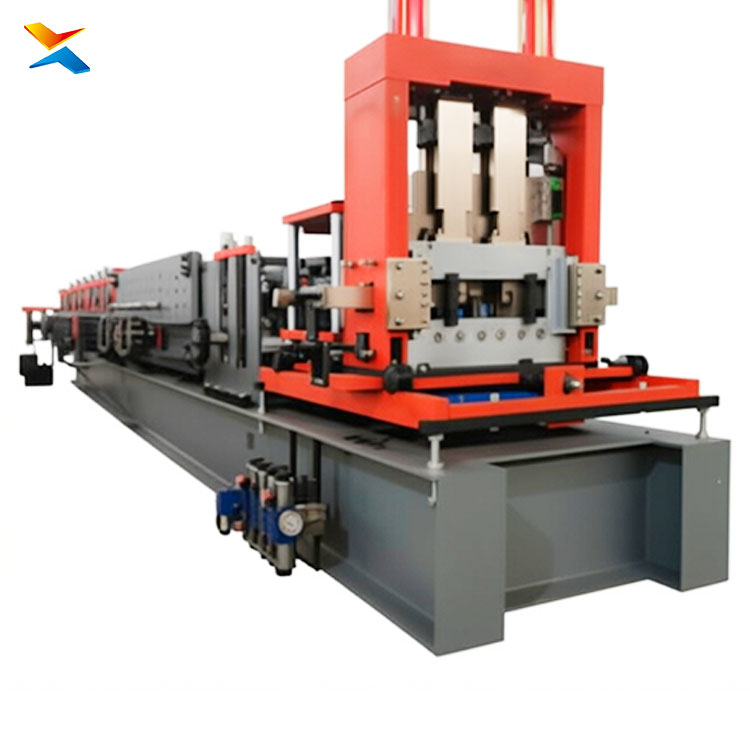
The Galvanized Steel C Purlin Making Machine is a versatile and highly reliable roll forming solution designed to process galvanized steel coils into high-quality C and U channel profiles. Featuring a fully adjustable forming system and a robust hydraulic cutter, this machine is ideal for manufacturers requiring flexibility in profile dimensions and consistent cutting performance for structural steel applications.
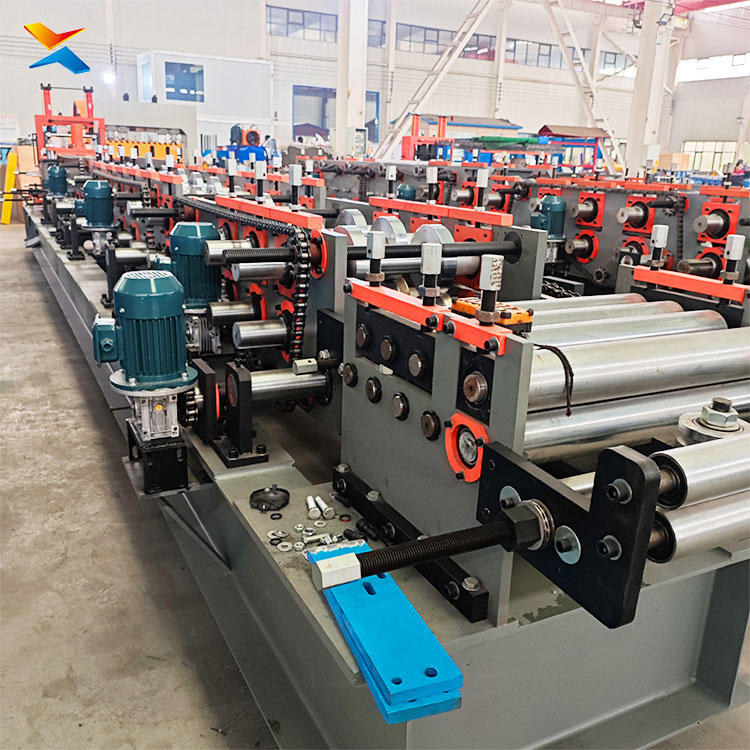
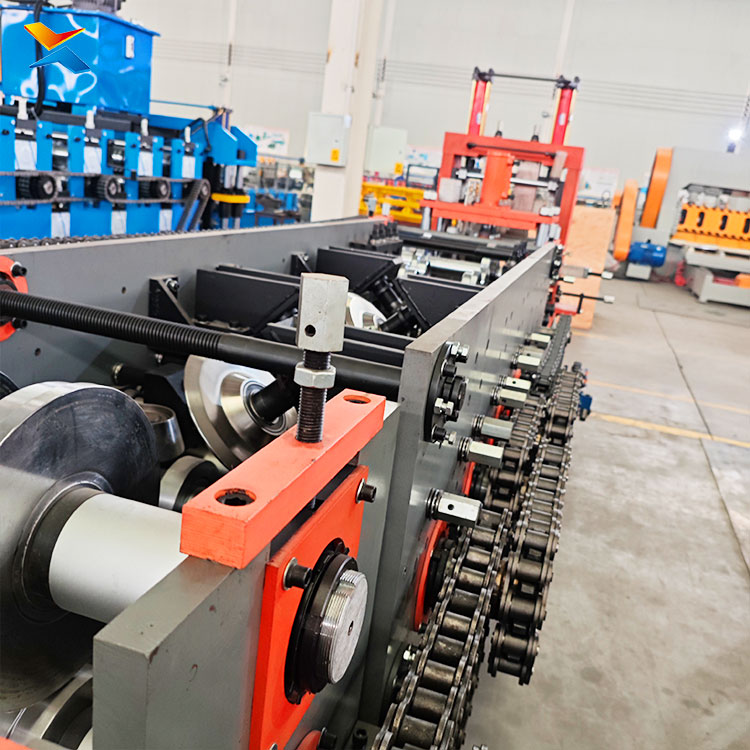
- Adjustable C & U Channel Forming: Engineered with a flexible roll forming system, this machine allows for easy manual or electric adjustments to accommodate various widths, heights, and flange sizes. This adaptability makes it perfect for producing both C and U channels on a single production line without the need for extensive mold replacements.
- Optimized for Galvanized Steel: Specifically designed to handle galvanized steel coils, the precision-machined rollers feature polished surfaces to prevent scratching or damaging the protective zinc coating, ensuring the final products maintain their excellent corrosion resistance and aesthetic appeal.
- Powerful Hydraulic Cutting System: Equipped with an advanced hydraulic cutter, the machine delivers strong, clean, and burr-free cuts. The hydraulic system ensures stable cutting force even for thicker steel gauges, guaranteeing precise length accuracy and maintaining high-speed production flow.
- Intelligent Automated Control: Driven by a reliable PLC control system, the entire production line—from decoiling, leveling, punching, roll forming, to cutting and stacking—is synchronized seamlessly. Operators can easily manage the workflow through a user-friendly interface, reducing manual intervention and enhancing safety.
- Heavy-Duty Construction: The main body of the machine is fabricated from high-strength welded steel and treated for stress relief. This rigid structure guarantees exceptional stability and precision during continuous operation, significantly extending the equipment’s service life.
- Integrated Punching Functionality: Features a high-speed hydraulic punching unit capable of creating standard or custom hole patterns, which are essential for easy assembly and bolting in construction projects.
The adjustable C and U channel profiles produced by this machine are widely utilized across various construction and industrial sectors, including:
- Structural purlins and girts for steel-framed warehouses and factories
- Roofing and wall support systems in commercial buildings
- Metal framing for agricultural and residential construction
- Cable management trays and electrical conduit channels (U channels)
- Solar panel mounting racking systems


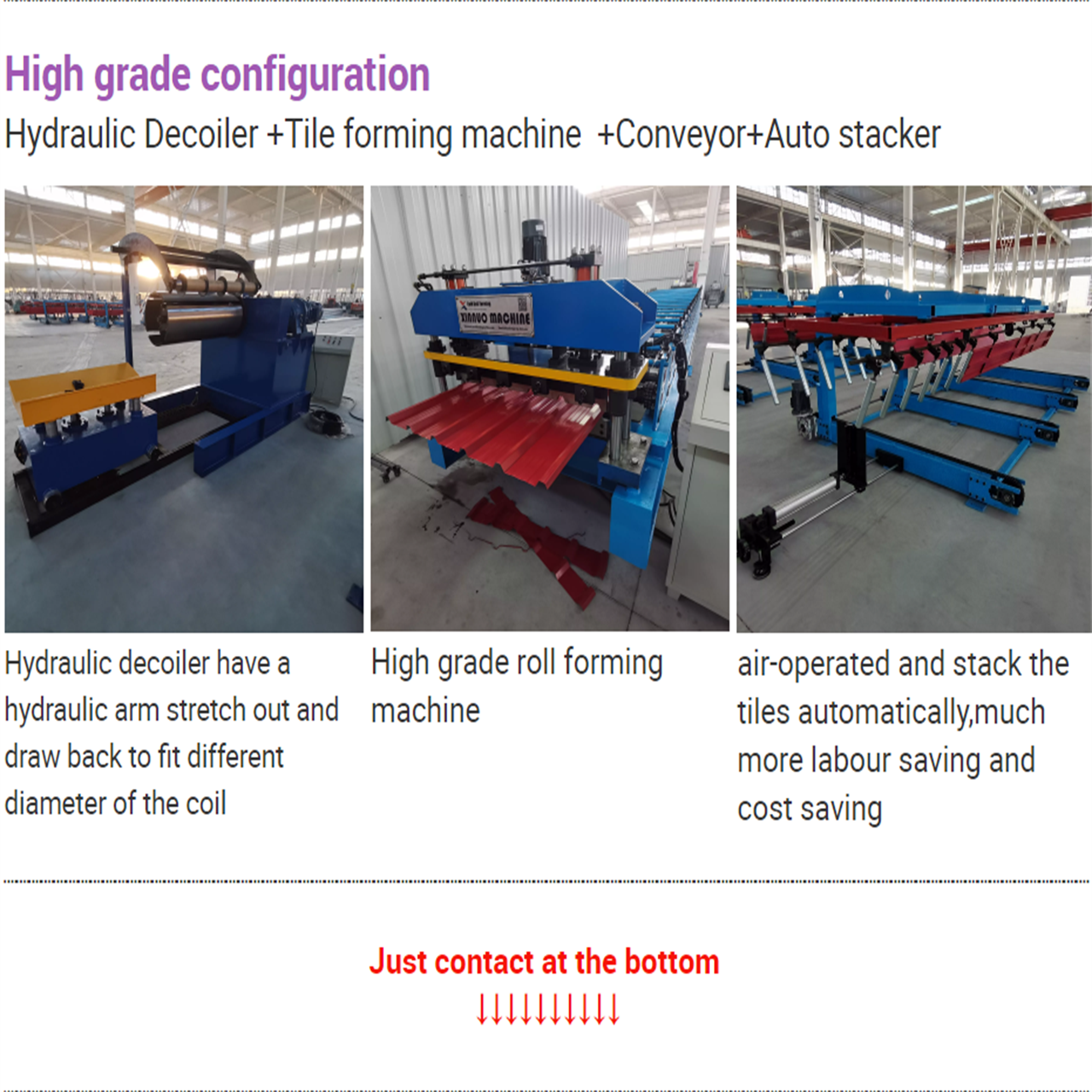
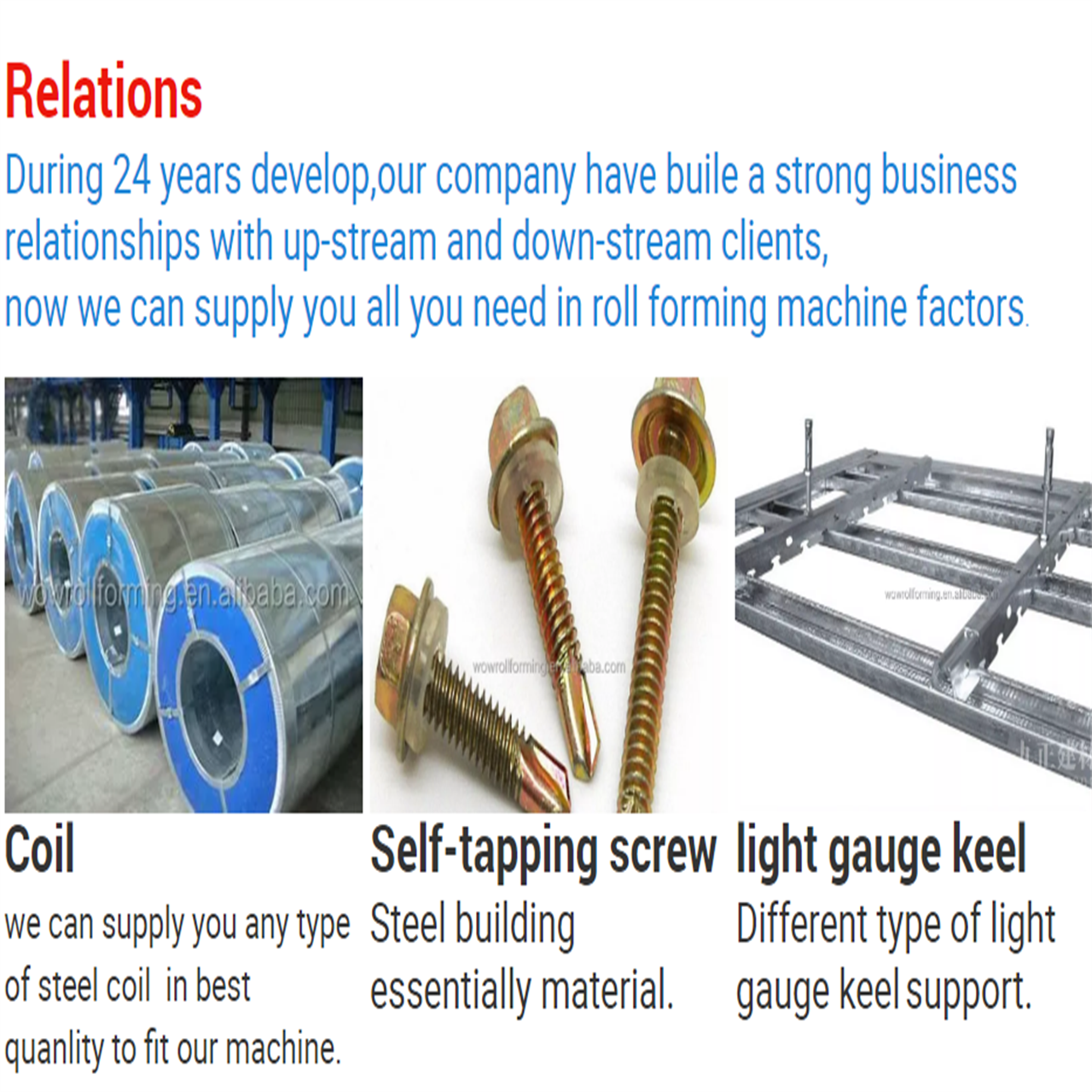
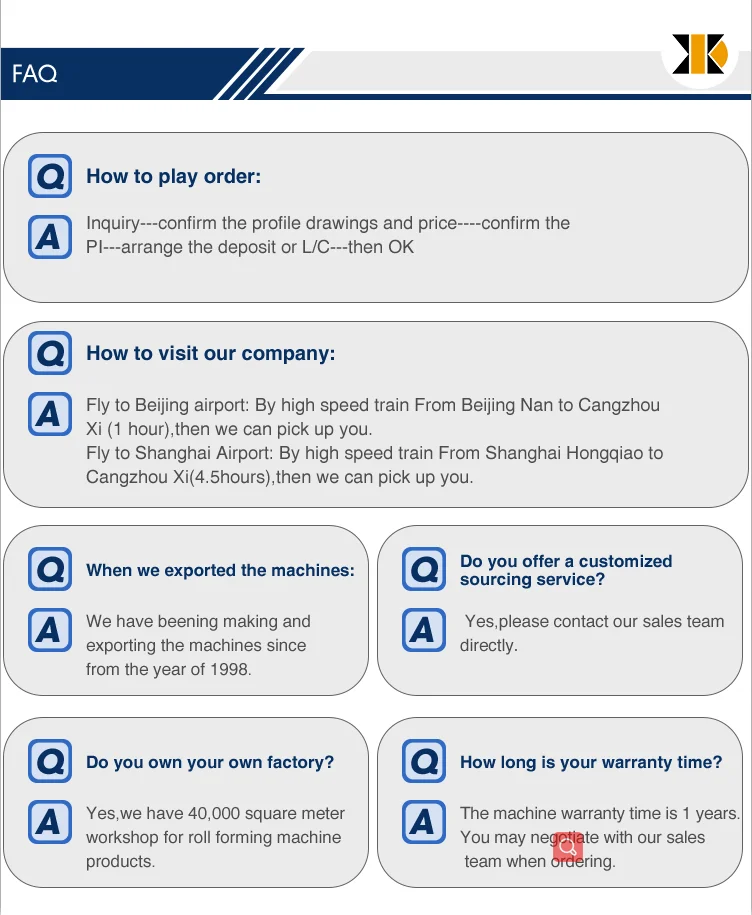
♦ COMPANY PROFILE:
Hebei Xinnuo Roll Forming Machine Co., Ltd., not only produce different types of professional roll forming machines, but also develop intelligent automatic roll forming production lines, C&Z shape purline machines, highway guardrail roll forming machine lines, sandwich panel production lines, decking forming machines, light keel machines, shutter slat door forming machines, downpipe machines, gutter machines, etc.
Advantages of Roll Forming A Metal Part
There are several advantages of using roll forming for your projects:
- The roll forming process allows operations such as punching, notching, and welding to be performed in-line. Labor cost and time for secondary operations are reduced or eliminated, reducing part costs.
- Roll form tooling allows for a high degree of flexibility. A single set of roll form tools will make almost any length of the same cross-section. Multiple sets of tools for varying length parts are not required.
- It can provide better dimensional control than other competing metal forming processes.
- Repeatability is inherent in the process, allowing easier assembly of roll formed parts into your finished product, and minimizing problems due to “standard” tolerance build up.
- Roll forming is typically a higher speed process.
- Roll forming offers customers a superior surface finish. This makes roll forming an excellent option for decorative stainless steel parts or for parts requiring a finish such as anodizing or powder coating. Also, texture or pattern can be rolled into the surface during forming.
- Roll forming utilizes material more efficiently than other competing processes.
- Roll formed shapes can be developed with thinner walls than competing processes
Roll forming is a continuous process which converts sheet metal into an engineered shape using consecutive sets of mated rolls, each of which makes only incremental changes in the form. The sum of these small changes in form is a complex profile.


