


Product Overview
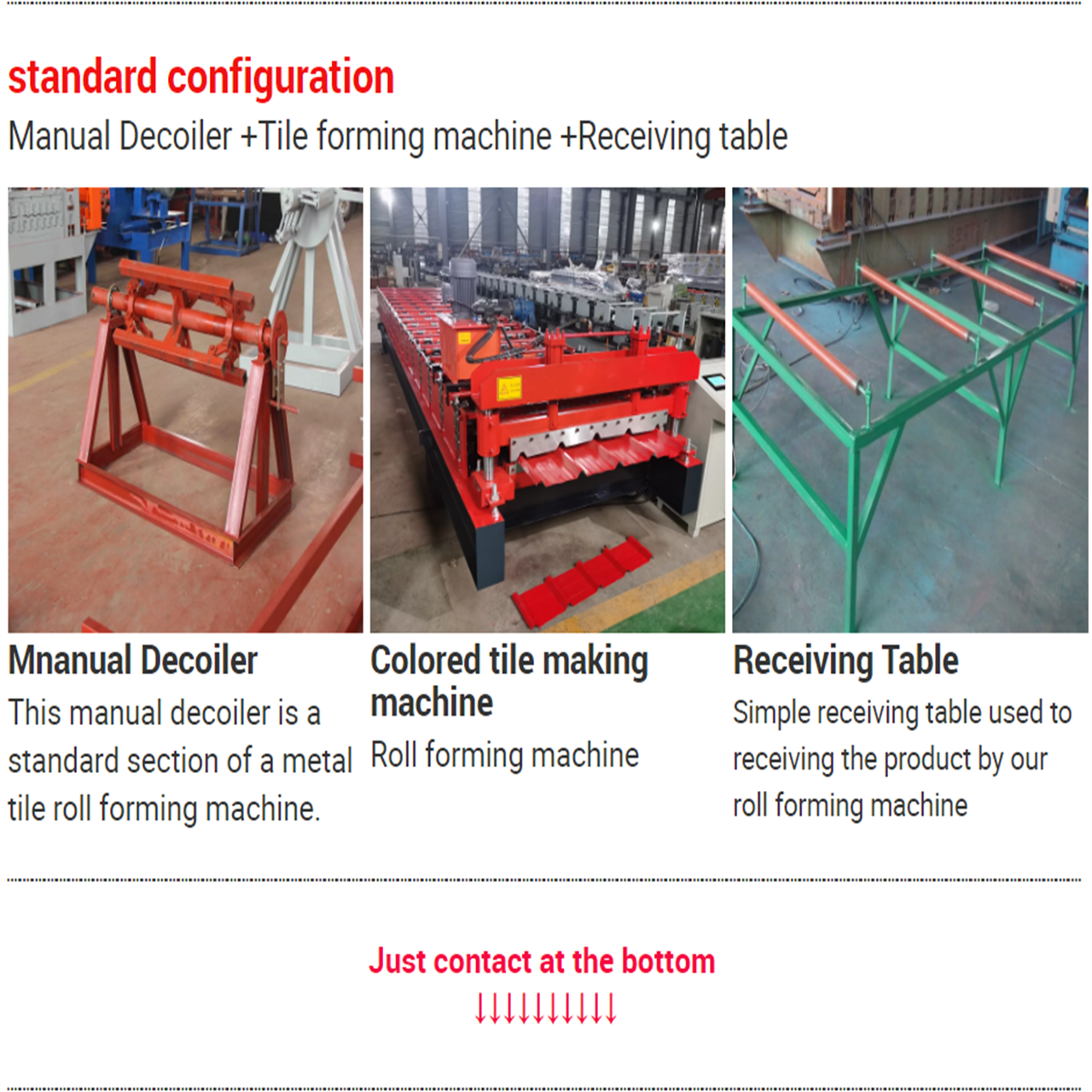
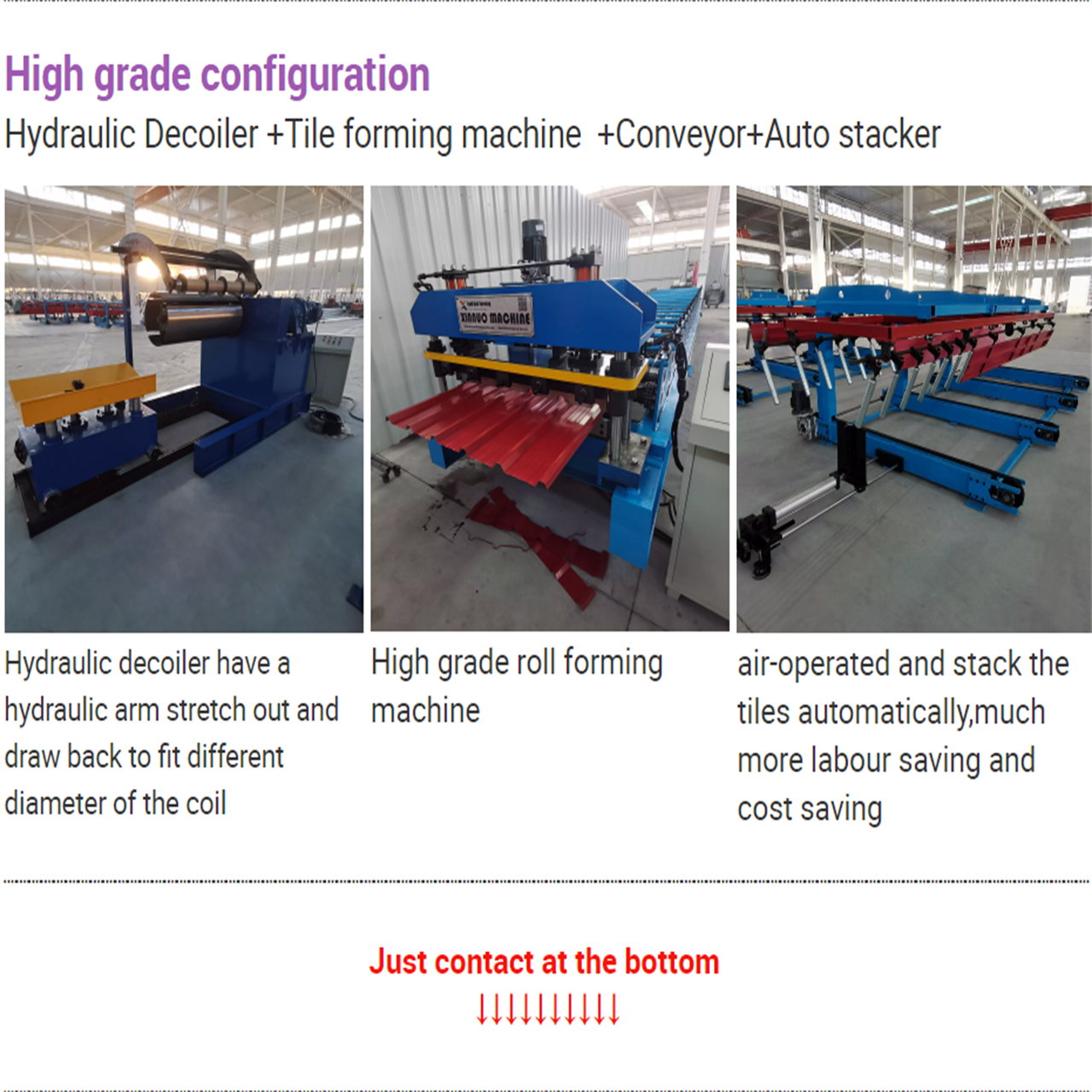
The High Speed Trapezoidal Sheet Machine is an elite, high-performance manufacturing system specifically engineered to maximize production efficiency and deliver fast output of corrugated metal roofing panels. Designed for large-scale steel fabricators and high-volume production facilities, this advanced roll former seamlessly transforms PPGI and GI steel coils into premium trapezoidal roofing sheets at exceptional line speeds. By integrating a high-speed continuous forming architecture, precision-machined tooling, and intelligent automation, it guarantees unmatched throughput without compromising dimensional accuracy or surface quality. This fast-output corrugated metal roofing roll former is the definitive strategic asset for manufacturers aiming to dominate the commercial and industrial roofing market by fulfilling massive project orders with rapid turnaround times.
- Exceptional Production Speed & Fast Output: Engineered for maximum throughput, this machine operates at industry-leading speeds, significantly increasing daily panel output. The continuous roll forming and synchronized flying cut-off technology ensure uninterrupted production, allowing manufacturers to effortlessly meet tight deadlines and large-volume demands.
- High-Speed Hydraulic Flying Cut-Off System: Equipped with an advanced, high-response hydraulic flying shear mechanism that dynamically tracks the moving panel in real-time. This technology executes clean, burr-free cuts at exact lengths at full line speed, completely eliminating idle time and maximizing overall manufacturing efficiency.
- Precision Trapezoidal Roll Forming Stations: Despite its focus on high-speed output, the machine maintains uncompromising quality. It features heavy-duty, precision-calibrated forming rollers crafted from premium tool steel (Cr12MoV) with hard chrome plating. This ensures crisp, uniform trapezoidal ribs, exact interlocking tolerances, and a flawless surface finish on every panel.
- Intelligent PLC Automation & Seamless Control: Governed by a cutting-edge PLC control system and a user-friendly touchscreen HMI, the machine automates the entire workflow. Operators can effortlessly set panel lengths, batch quantities, and production speeds. The intelligent system ensures high repeatability, automated length counting, and rapid recipe switching to minimize downtime.
- Heavy-Duty, Vibration-Free Structural Frame: Built with a reinforced, stress-relieved steel chassis, the machine is specifically designed to absorb the intense vibrations and forming forces generated during high-speed operation. This robust architectural integrity guarantees stable, continuous operation and consistent panel quality over prolonged periods.
- Optimized Material Handling & Surface Protection: The high-speed decoiling and precision leveling systems ensure the steel feeds perfectly straight into the forming section. Smooth, hard-chromed rollers protect the color-coated and galvanized surfaces from scratching or peeling, preserving the aesthetic and corrosion-resistant qualities of the final product.
The high-volume trapezoidal metal roofing panels produced by this fast-output machine are the backbone of large-scale infrastructure and construction projects, including:
- Large-Span Industrial Warehouses: Supplying massive quantities of durable, weather-resistant roofing and wall cladding for manufacturing plants, logistics hubs, and distribution centers.
- Commercial & Public Facilities: Providing high-strength, aesthetically pleasing metal panels for shopping malls, exhibition centers, sports stadiums, and airport terminals.
- Agricultural & Rural Infrastructure: Delivering reliable, long-lasting roofing solutions for large-scale greenhouses, poultry farms, and agricultural storage facilities.
- Residential & Modular Construction: Supporting high-volume production of modern metal roofing and siding for residential housing developments and prefabricated modular buildings.



♦ COMPANY PROFILE:
Hebei Xinnuo Roll Forming Machine Co., Ltd., not only produce different types of professional roll forming machines, but also develop intelligent automatic roll forming production lines, C&Z shape purline machines, highway guardrail roll forming machine lines, sandwich panel production lines, decking forming machines, light keel machines, shutter slat door forming machines, downpipe machines, gutter machines, etc.
There are several advantages of using roll forming for your projects:
- The roll forming process allows operations such as punching, notching, and welding to be performed in-line. Labor cost and time for secondary operations are reduced or eliminated, reducing part costs.
- Roll form tooling allows for a high degree of flexibility. A single set of roll form tools will make almost any length of the same cross-section. Multiple sets of tools for varying length parts are not required.
- It can provide better dimensional control than other competing metal forming processes.
- Repeatability is inherent in the process, allowing easier assembly of roll formed parts into your finished product, and minimizing problems due to “standard” tolerance build up.
- Roll forming is typically a higher speed process.
- Roll forming offers customers a superior surface finish. This makes roll forming an excellent option for decorative stainless steel parts or for parts requiring a finish such as anodizing or powder coating. Also, texture or pattern can be rolled into the surface during forming.
- Roll forming utilizes material more efficiently than other competing processes.
- Roll formed shapes can be developed with thinner walls than competing processes
In modern construction and manufacturing, the roll forming machine (commonly known as a roof tile or sheet metal roll former) has revolutionized profile fabrication. By replacing labor-intensive traditional press brake methods, advanced roll forming technology offers unmatched efficiency, quality, and cost savings for metal roofing and wall panel production.
Here are the key advantages of implementing a modern roll forming machine in your operations:
1. Unmatched High Efficiency and Output Speed
High-speed roll forming lines operate continuously, producing custom metal panels at speeds up to 20–40 meters per minute. This automated process significantly shortens lead times and accelerates project delivery cycles.
2. High Precision and Consistent Quality
Engineered with heavy-duty steel frames, high-precision roller dies, and PLC automated control systems, roll formers deliver pinpoint dimensional accuracy. Every panel exhibits uniform thickness, sharp profiles, and precise hole punching, ensuring seamless job-site installation.
3. Material Efficiency and Reduced Waste
Continuous roll forming minimizes scrap metal generation compared to conventional stamping. Precise coil feeding and automated hydraulic flying shears ensure optimal material utilization and reduced raw material costs.
4. Low Maintenance and Extended Durability
Constructed with heat-treated chrome-plated rollers and robust drive systems, industrial roll forming machines require minimal downtime while delivering a long service life under heavy daily operation.
Conclusion
Investing in a reliable roll forming machine boosts productivity, lowers labor costs, and guarantees consistent product quality—delivering maximum long-term return on investment (ROI) for metal fabrication businesses.
Metal roll forming is a continuous, automated metal fabrication process used to shape long strips of sheet metal (usually coiled steel or aluminum) into specific, uniform cross-sectional profiles.
Unlike traditional metal bending techniques like press braking—which shapes sheets batch by batch—roll forming operates as a continuous production line, making it one of the most efficient manufacturing methods for structural profiles, roofing panels, and automotive components.
How the Metal Roll Forming Process Works
The process passes coil stock through a series of consecutive roller dies to incrementally shape the metal into a finished cross-section:
-
Uncoiling: A heavy coil of sheet metal (often pre-painted, galvanized, or stainless steel) is mounted onto a decoiler and fed continuously into the line.
-
Progressive Forming: The strip passes through a sequence of mating roller stations (known as flower patterns). Each set of rollers gradually bends the metal by a few degrees. By making incremental bends, the process avoids overstressing the material or cracking protective coatings.
-
In-Line Processing (Optional): Pre-punching, post-punching, slitting, or embossing can be integrated directly into the automated line before or after forming.
-
Cutting to Length: Once the final profile is shaped, an automated flying shear or hydraulic cutter cuts the continuous panel into precise custom lengths without interrupting the line speed.
Key Advantages of Metal Roll Forming
-
Continuous High Output: Roll forming lines operate at high speeds (typically 20–50 meters per minute), significantly outperforming press brakes for mass production.
-
Tight Dimensional Tolerances: Advanced PLC automation and precision-machined rollers ensure strict dimensional consistency across every piece produced.
-
Material & Cost Efficiency: Minimizes scrap metal waste and eliminates extra handling steps by integrating punching, bending, and cutting into a single automated line.
-
Design Flexibility & Surface Protection: Capable of producing complex, multi-bend profiles while preserving surface finishes, galvanization, and paint coats.
Common Applications
Metal roll forming is widely used across multiple heavy-duty industries:
| Industry | Common Roll-Formed Products |
| Building & Construction | Trapezoidal roof tiles, standing seam panels, C/Z purlins, drywall studs, rain gutters |
| **Automotive &# What is Metal Roll Forming? |
Metal roll forming is a continuous, high-volume manufacturing process that bends long strips of sheet metal—usually coiled steel or aluminum—into custom cross-sectional profiles.
Unlike traditional press braking or stamping, which processes metal in single discrete batches, roll forming shapes metal incrementally at room temperature (cold forming) through a series of consecutive roller dies.
How Metal Roll Forming Works
The roll forming process relies on a line of paired roller stations that gradually shape the metal in steps:
-
Coil Unloading & Uncoiling: A heavy coil of flat metal strip is loaded onto an uncoiler and fed continuously into the machine.
-
In-Line Pre-Punching: Automatic presses notch, punch holes, or create slots in the flat strip prior to shaping.
-
Progressive Roll Shaping: The strip passes through multiple sets of upper and lower rollers (called roll stations). Each station bends the metal slightly more than the previous one, preventing stress fractures and material strain.
-
Cutting & Shearing: A flying hydraulic shear cuts the finished profile to exact target lengths without stopping the continuous line.
Key Benefits of Roll Forming
-
High Speed & Efficiency: Lines operate at speeds up to 20–50 meters per minute with minimal manual labor required.
-
Consistent Quality & Precision: Heavy-duty tool steel rollers controlled by PLC automation ensure exact tolerances across thousands of identical panels.
-
Material Waste Reduction: Continuous coil processing generates virtually zero scrap compared to conventional sheet stamping or trimming.
-
Complex Profiles: Produces intricate shapes—such as standing seam panels, hat channels, C/Z purlins, and tubular sections—in a single continuous pass.
Common Applications
-
Building & Construction: Roof tiles, wall cladding panels, gutters, structural purlins, and steel framing studs.
-
Automotive: Bumper beams, door impact bars, and chassis structural rails.
-
Solar & Energy: Solar panel mounting racks and support structures.
-
Storage & Industrial: Warehouse racking systems, shelving, and heavy-duty tracks.
-
Automatic Double Layer Roll Forming Machine Cor...
-
Cost Effective Double Layer Single Plate Cold R...
-
High Efficiency Double Deck Roofing Sheet Roll ...
-
Double Deck Single Sheet Roll Forming Machine
-
Export Standard Trapezoidal Sheet Machine | Eas...
-
Heavy Duty Double Layer Profile Roll Forming Ma...


