


Product Overview
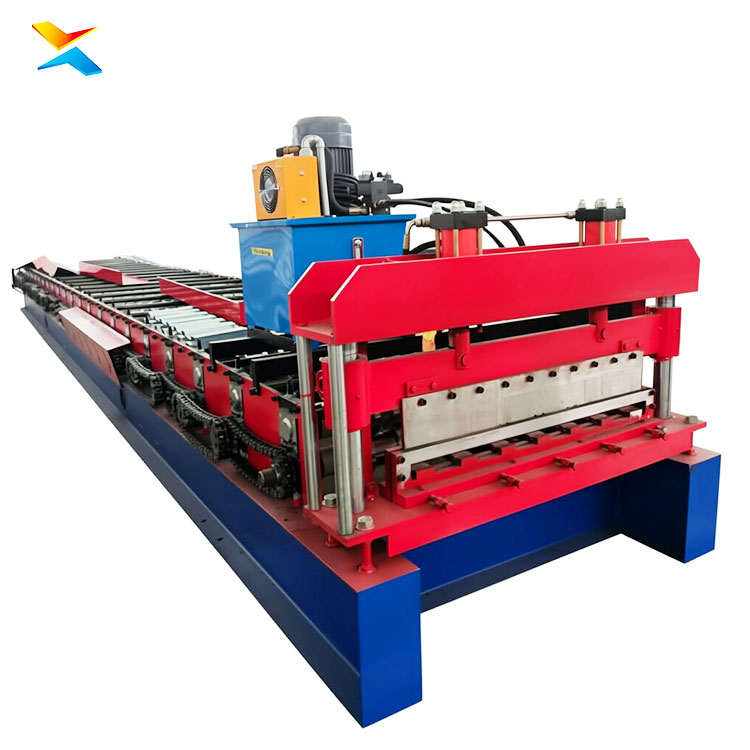
The Galvanized Steel Truck Box Board Machine is a specialized, heavy-duty manufacturing system engineered to produce premium, corrosion-resistant carriage plates and truck side panels. Designed specifically for processing durable galvanized steel coils, this advanced equipment integrates a high-precision hydraulic punching unit and a continuous flying cut-off system into a single automated production line. By combining robust mechanical architecture with intelligent PLC control, it empowers manufacturers to efficiently produce perfectly interlocking, structurally superior truck body panels. This hydraulic punching and cutting roll forming equipment is the ultimate turnkey solution for fabricators looking to streamline their workflow, eliminate secondary processing, and dominate the market for commercial vehicle and logistics transportation components.
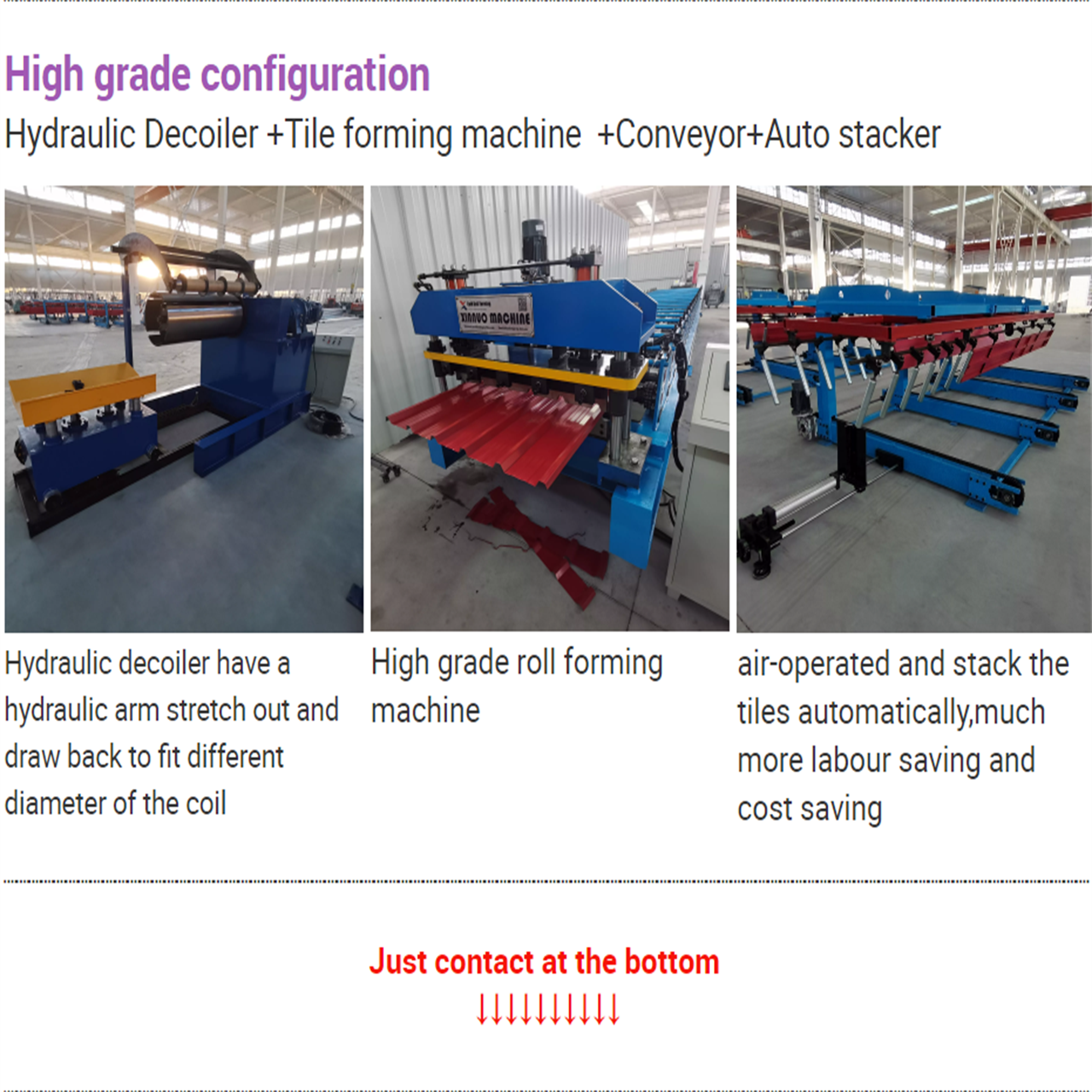
- Integrated Hydraulic Punching System: A standout feature of this machine is its highly precise hydraulic punching module. It can seamlessly punch precise mounting holes, rivet holes, and service openings directly into the galvanized steel strip during the forming process. The hole size and spacing can be easily adjusted or disabled via the PLC control system, providing maximum versatility for different truck panel designs without affecting machine performance.
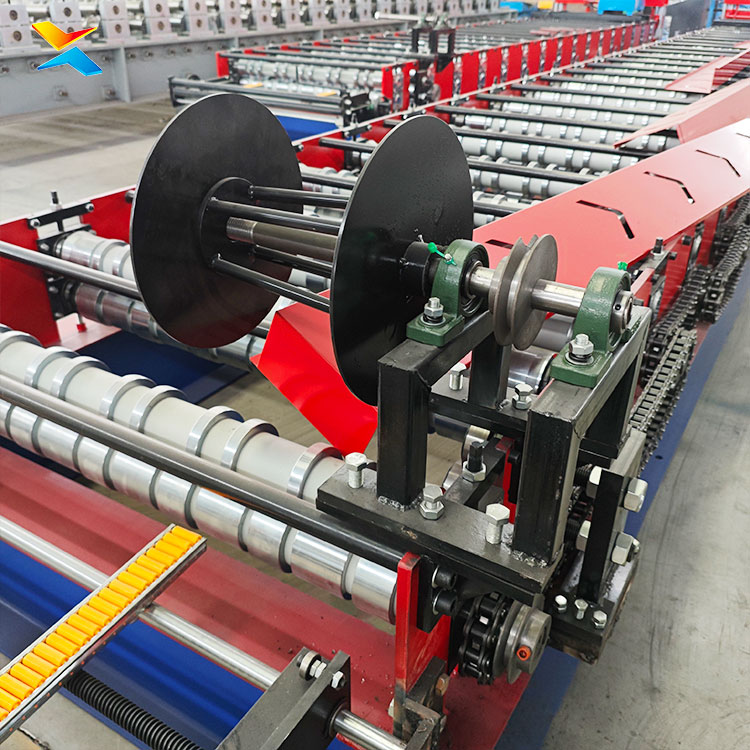
- Premium Galvanized Steel Compatibility: Specifically optimized for processing high-strength galvanized steel coils (typically ranging from 0.5mm to 2.0mm thickness). The machine features precision leveling and feeding systems to ensure the rigid material feeds perfectly straight, preventing deformation and guaranteeing consistent panel quality.
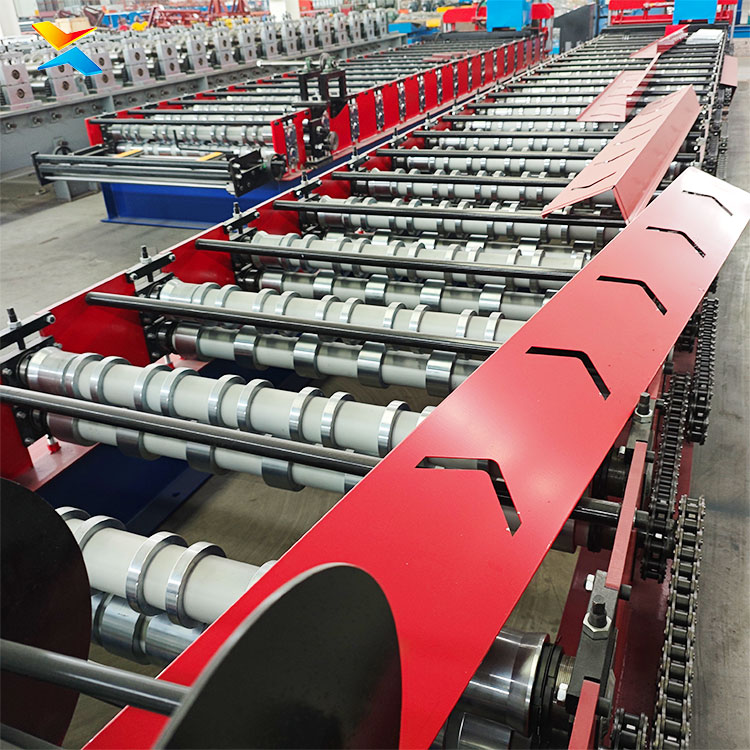
- High-Precision Roll Forming Stations: Engineered with multiple meticulously calibrated forming stations, the machine utilizes premium-grade forged steel rollers with hard chrome plating. This ensures crisp, uniform corrugations, perfect interlocking mechanisms, and superior structural integrity, providing excellent wind-load resistance and durability for freight transport.
- Continuous Hydraulic Flying Cut-Off: Equipped with an advanced hydraulic cutting system featuring high-quality mold steel blades with quenched treatment. The flying shear dynamically tracks the moving panel to execute clean, burr-free cuts at exact lengths without stopping the production line, maximizing throughput and maintaining strict dimensional tolerances.
- Intelligent PLC Automation: Governed by a cutting-edge PLC control system and a user-friendly touchscreen HMI. Operators can effortlessly manage production quantities, board lengths, and punching parameters. The intelligent system ensures high repeatability, automated length counting via encoders, and rapid recipe switching to minimize downtime.
- Heavy-Duty Structural Frame: Built with a reinforced, stress-relieved steel chassis, the machine absorbs the intense forming and punching forces without mechanical deflection. This robust architecture guarantees stable, continuous 24-hour operation and extends the service life of all mechanical components.
The high-precision, galvanized truck box boards produced by this machine are essential components across the commercial vehicle and transportation sectors, including:
- Heavy-Duty Freight Trucks: Manufacturing durable, corrugated side panels and rear doors for long-haul trailers, box trucks, and semi-trailers.
- Logistics & Delivery Vehicles: Producing lightweight, high-strength carriage plates for courier vans, parcel delivery trucks, and urban logistics fleets.
- Specialized Transport: Supplying robust, weather-resistant truck body panels for refrigerated containers, flatbeds, and specialized cargo carriers.
- Agricultural & Dump Trucks: Creating heavy-duty, impact-resistant sideboards and tailgates for agricultural trailers, dump trucks, and mining transport vehicles.
 d operational efficiency. By combining high-speed roll forming with inline hydraulic punching and cutting, it empowers fabricators to consistently produce structurally superior, perfectly interlocking truck body panels while drastically reducing labor costs and secondary processing time. Investing in this equipment allows businesses to expand their product portfolio, streamline their manufacturing processes, and build a dominant reputation in the highly competitive commercial vehicle manufacturing market, ultimately driving long-term profitability and sustained growth.


♦ COMPANY PROFILE:
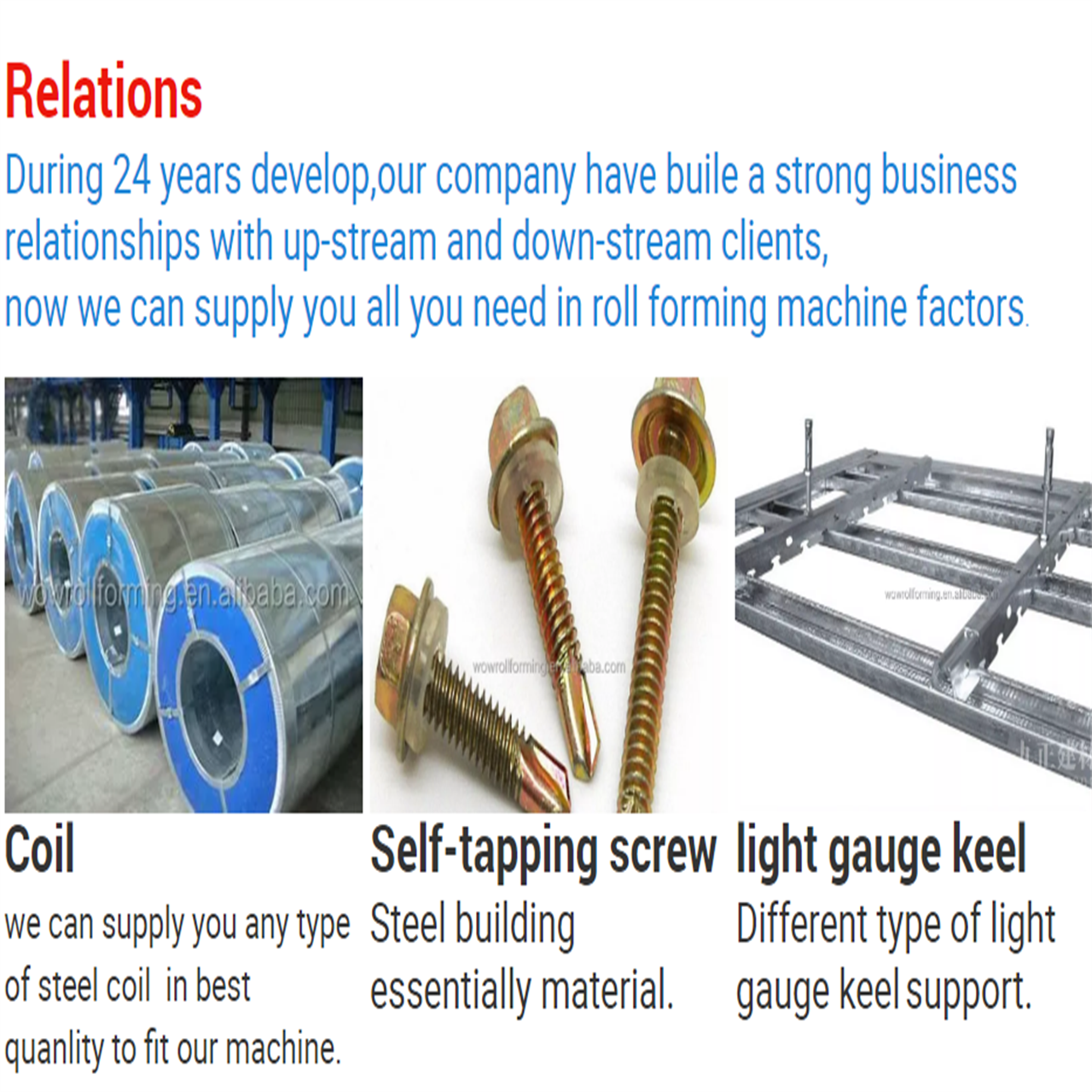
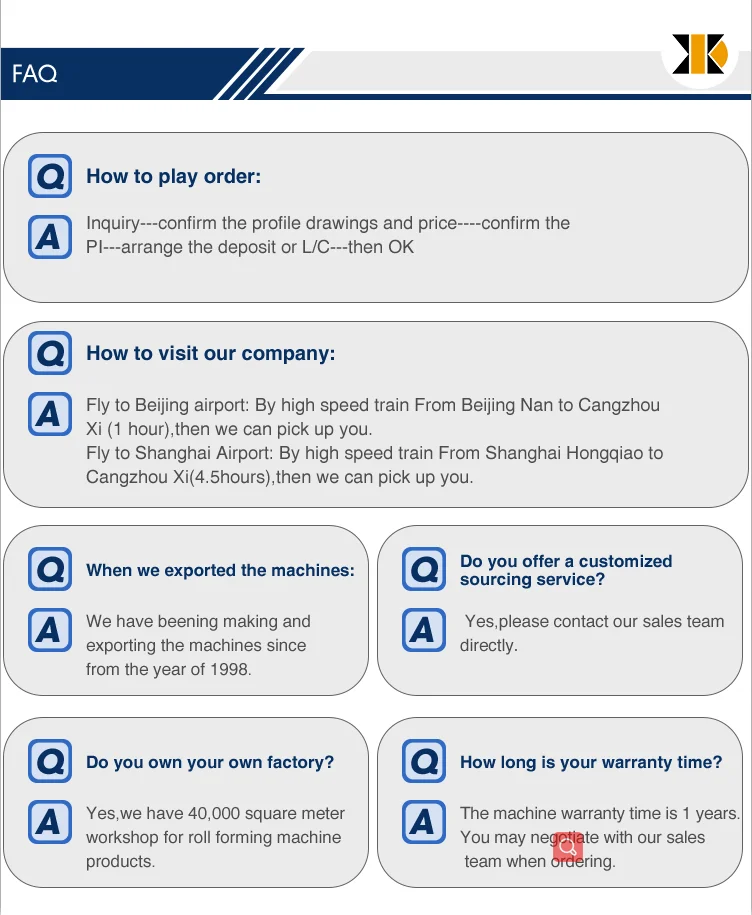
Hebei Xinnuo Roll Forming Machine Co., Ltd., not only produce different types of professional roll forming machines, but also develop intelligent automatic roll forming production lines, C&Z shape purline machines, highway guardrail roll forming machine lines, sandwich panel production lines, decking forming machines, light keel machines, shutter slat door forming machines, downpipe machines, gutter machines, etc.
Advantages of Roll Forming A Metal Part
There are several advantages of using roll forming for your projects:
- The roll forming process allows operations such as punching, notching, and welding to be performed in-line. Labor cost and time for secondary operations are reduced or eliminated, reducing part costs.
- Roll form tooling allows for a high degree of flexibility. A single set of roll form tools will make almost any length of the same cross-section. Multiple sets of tools for varying length parts are not required.
- It can provide better dimensional control than other competing metal forming processes.
- Repeatability is inherent in the process, allowing easier assembly of roll formed parts into your finished product, and minimizing problems due to “standard” tolerance build up.
- Roll forming is typically a higher speed process.
- Roll forming offers customers a superior surface finish. This makes roll forming an excellent option for decorative stainless steel parts or for parts requiring a finish such as anodizing or powder coating. Also, texture or pattern can be rolled into the surface during forming.
- Roll forming utilizes material more efficiently than other competing processes.
- Roll formed shapes can be developed with thinner walls than competing processes
Roll forming is a continuous process which converts sheet metal into an engineered shape using consecutive sets of mated rolls, each of which makes only incremental changes in the form. The sum of these small changes in form is a complex profile.


