

Product Overview
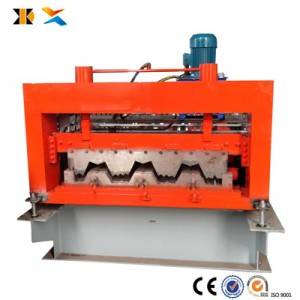
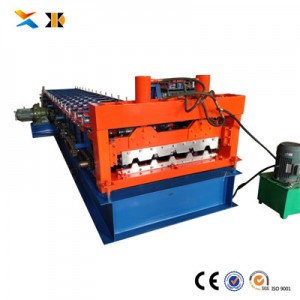
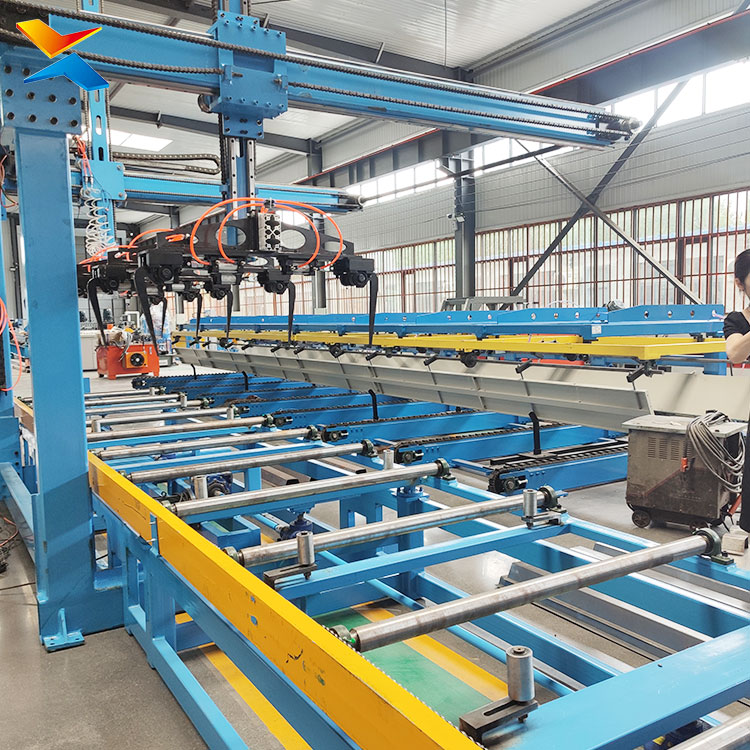
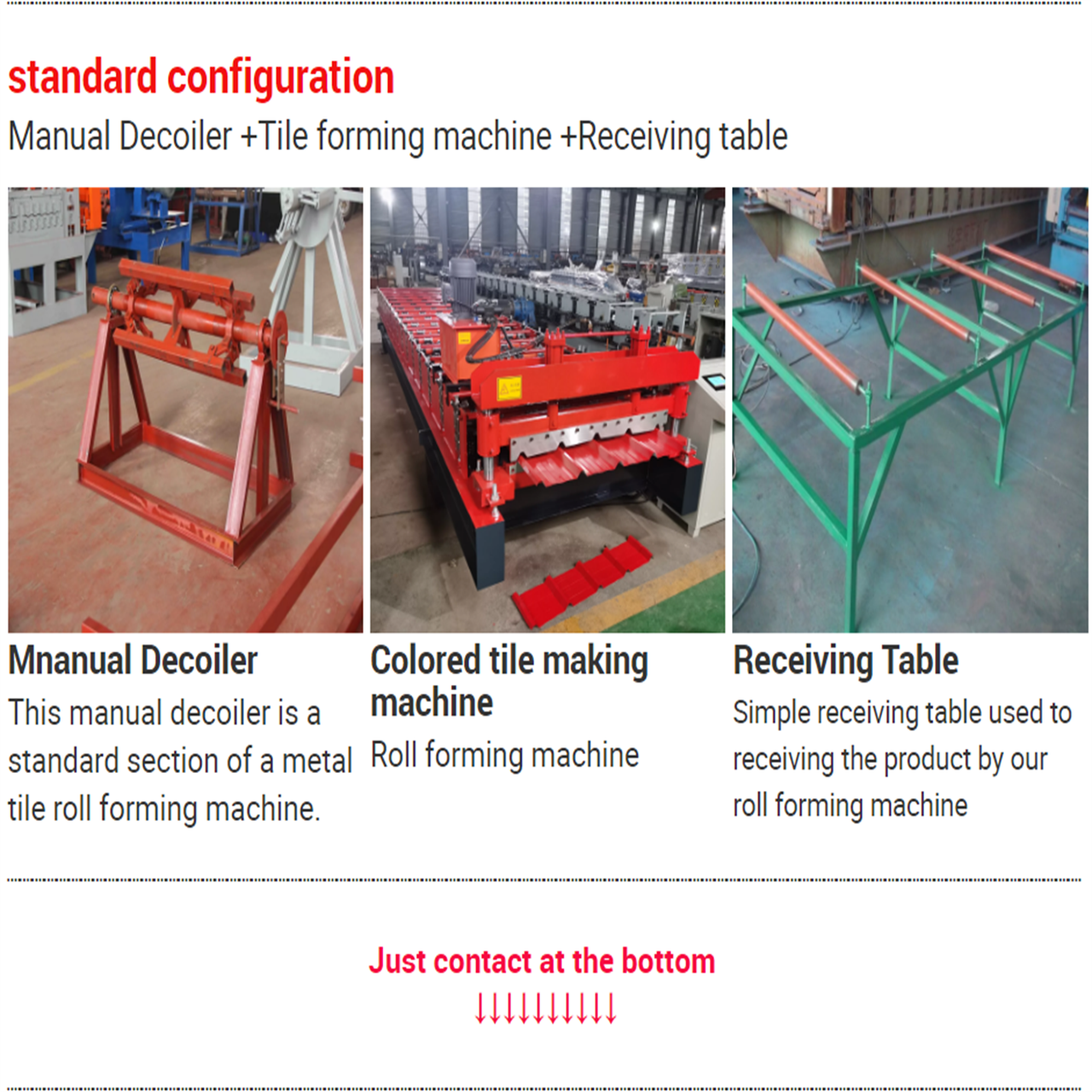
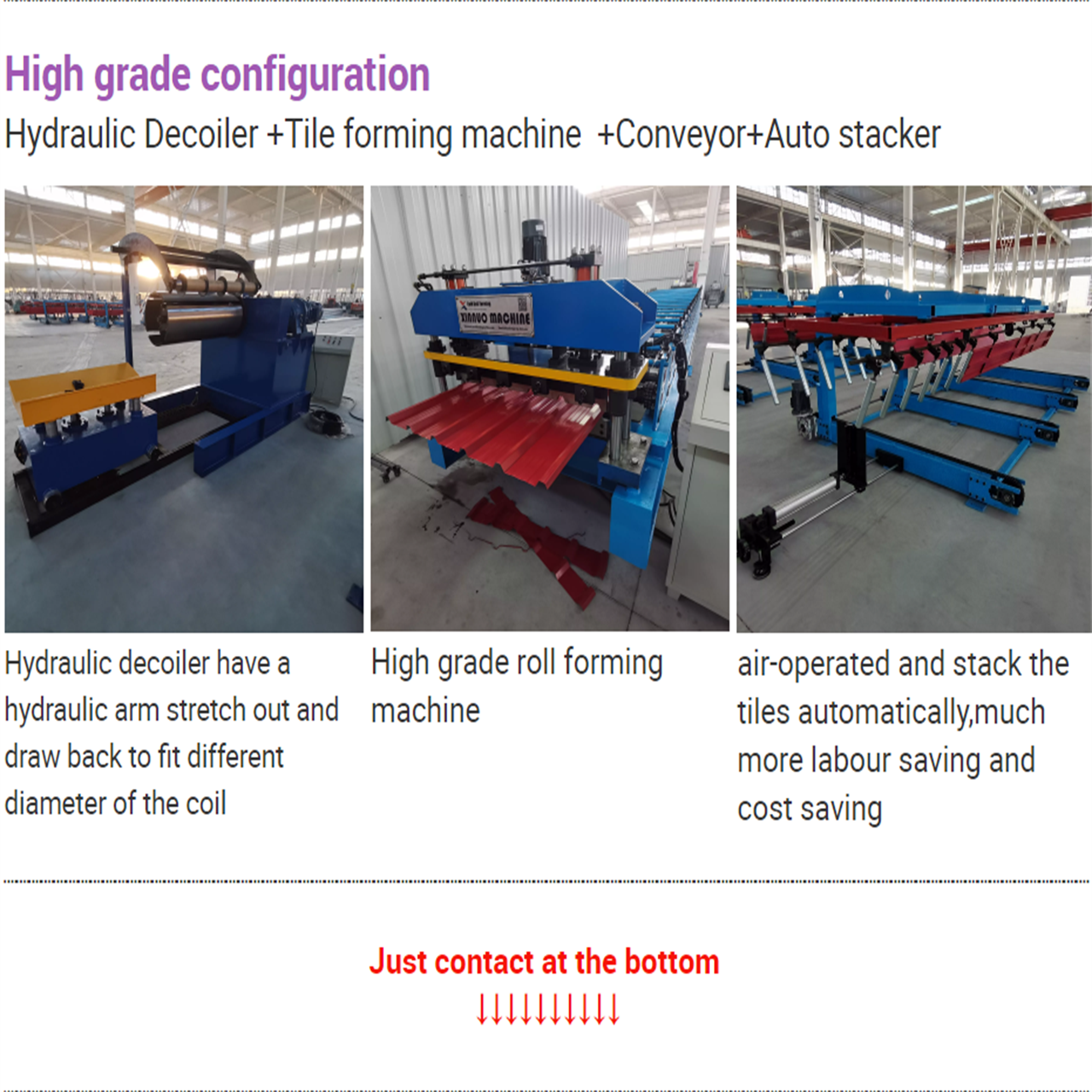
The Heavy-Duty Floor Deck Machine is a premium, industrial-grade roll forming production line meticulously engineered to meet the rigorous demands of large-scale infrastructure and commercial construction. Designed specifically to process high-strength steel and manufacture heavy-duty floor decking, this equipment delivers exceptional structural integrity, high load-bearing capacity, and long-span capabilities, making it the ultimate manufacturing solution for mega-projects.
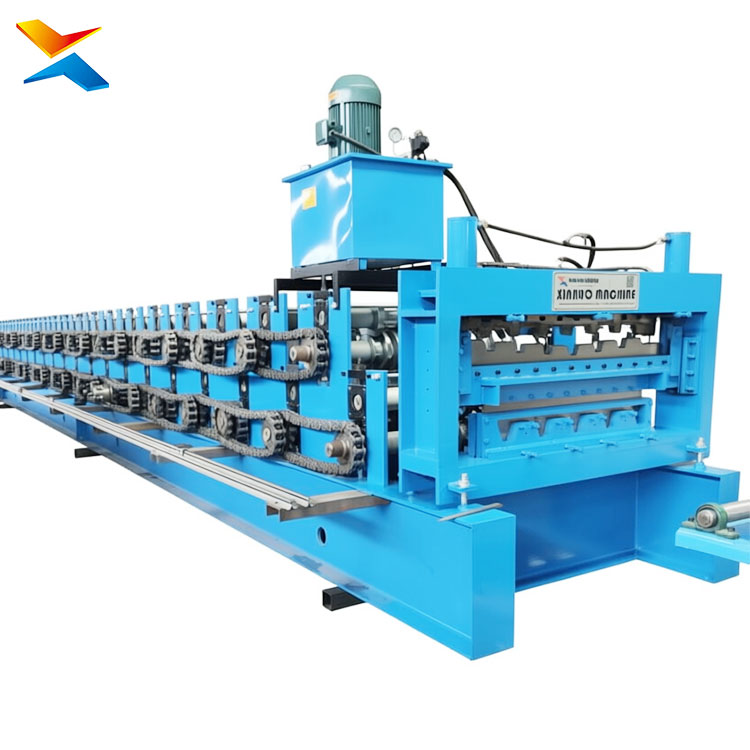
Built to handle the toughest materials, this machine is optimized for processing high-strength steel with superior yield strength and increased thickness. The robust roll forming system features heavy-duty shafts and high-grade, wear-resistant rollers that apply precise, uniform pressure to shape the metal. This guarantees that the resulting floor deck panels possess the deep profiles and reinforced structural strength required to support heavy concrete slabs, industrial equipment, and dynamic vehicle traffic without deformation.
This equipment is the ideal choice for large-scale construction applications, including multi-story parking structures, massive warehouses, distribution centers, and high-rise commercial buildings. The heavy-duty steel decking produced by this machine features longer span capabilities, significantly reducing the need for intermediate support beams. This not only accelerates the construction timeline but also optimizes the overall structural efficiency and cost-effectiveness of large-scale mega-projects.
To maintain high productivity on large projects, the machine is driven by an advanced PLC control system paired with an intuitive touch screen interface. The fully automated workflow ensures seamless coordination from decoiling to forming. It is equipped with a high-precision hydraulic tracking cutting system that automatically measures and slices the heavy-duty panels to exact lengths without stopping the line. This continuous operation guarantees high throughput, clean burr-free edges, and zero material waste.
Constructed with a reinforced main frame and premium electrical components, the machine is built to withstand continuous, high-volume industrial use. We stand firmly behind our heavy-duty equipment with a comprehensive warranty and lifelong technical tracking. Our professional engineering team is fully available to provide overseas installation, commissioning, and operator training, ensuring your production line operates at peak efficiency and reliably supports your large-scale projects from day one.


♦ COMPANY PROFILE:
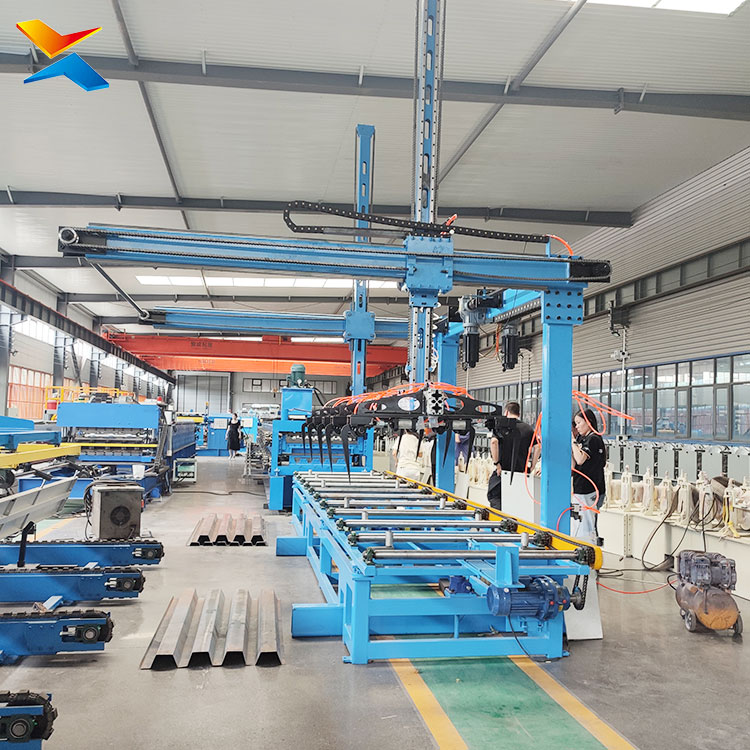
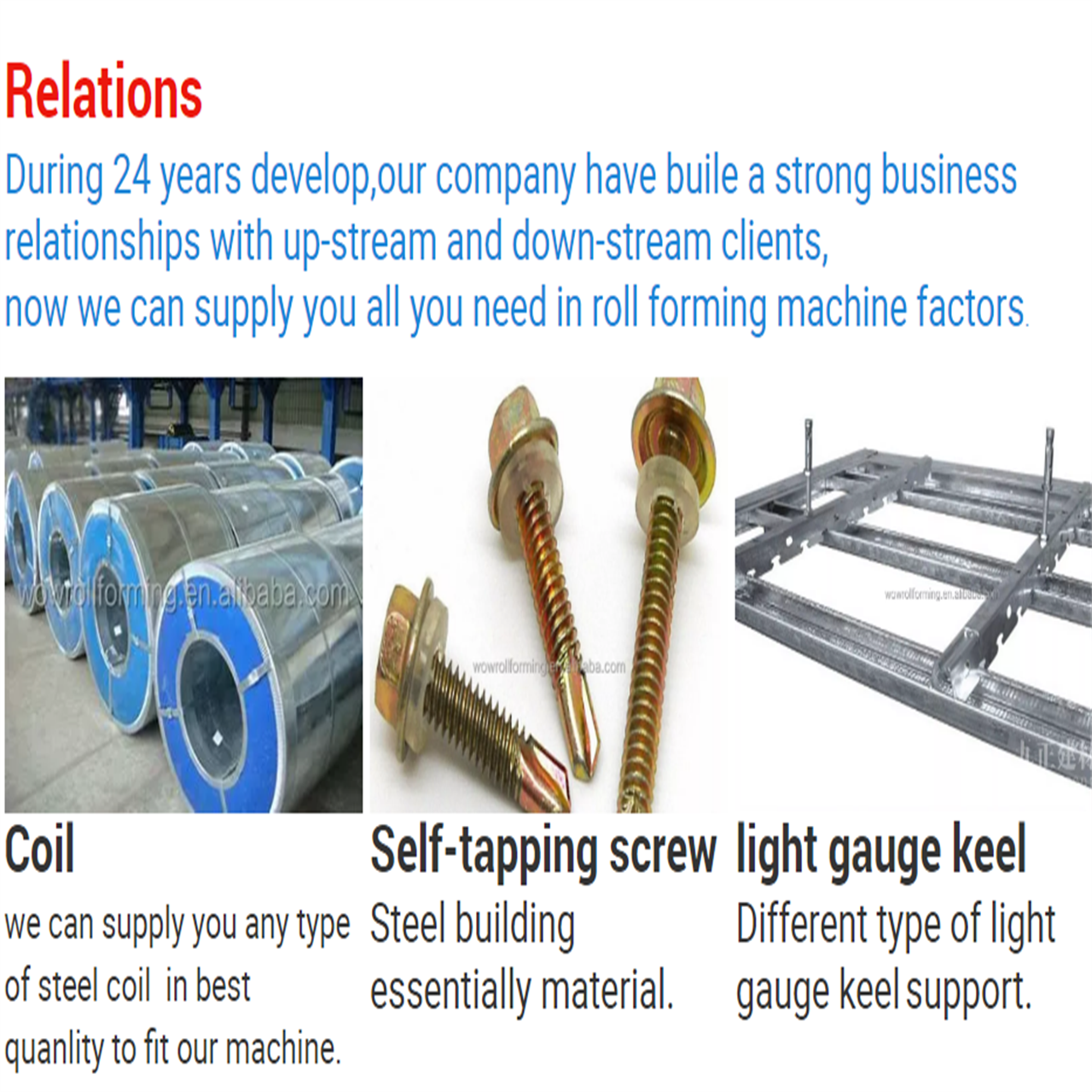
Hebei Xinnuo Roll Forming Machine Co., Ltd., not only produce different types of professional roll forming machines, but also develop intelligent automatic roll forming production lines, C&Z shape purline machines, highway guardrail roll forming machine lines, sandwich panel production lines, decking forming machines, light keel machines, shutter slat door forming machines, downpipe machines, gutter machines, etc.
Advantages of Roll Forming A Metal Part
There are several advantages of using roll forming for your projects:
- The roll forming process allows operations such as punching, notching, and welding to be performed in-line. Labor cost and time for secondary operations are reduced or eliminated, reducing part costs.
- Roll form tooling allows for a high degree of flexibility. A single set of roll form tools will make almost any length of the same cross-section. Multiple sets of tools for varying length parts are not required.
- It can provide better dimensional control than other competing metal forming processes.
- Repeatability is inherent in the process, allowing easier assembly of roll formed parts into your finished product, and minimizing problems due to “standard” tolerance build up.
- Roll forming is typically a higher speed process.
- Roll forming offers customers a superior surface finish. This makes roll forming an excellent option for decorative stainless steel parts or for parts requiring a finish such as anodizing or powder coating. Also, texture or pattern can be rolled into the surface during forming.
- Roll forming utilizes material more efficiently than other competing processes.
- Roll formed shapes can be developed with thinner walls than competing processes
Roll forming is a continuous process which converts sheet metal into an engineered shape using consecutive sets of mated rolls, each of which makes only incremental changes in the form. The sum of these small changes in form is a complex profile.