


Product Overview
Are you struggling with traditional roll forming machines that crush the insulation layer or tear the metal surface? Our specialized Insulated Metal Tile Roll Forming Machine is the ultimate solution for processing thick Rubber Plastic Foam/Wool boards (5mm-20mm). Unlike ordinary machines, this equipment is engineered with a high-raised frame and large-diameter rollers to perfectly handle the extreme thickness and high resilience of rubber-plastic materials.
- Anti-Crushing & Anti-Tearing Technology: Ordinary machines often press the cotton layer flat (“kill the cotton”) or cause the metal face to tear due to tension. Our machine solves this by synchronously bending the metal face and the foam core, ensuring the insulation layer retains its original thickness and resilience.
- Heavy-Duty Structural Design: Built with a significantly high-raised frame and enlarged roller diameter, providing the necessary space and leverage to form thick (5mm-20mm) rubber-plastic boards without structural interference.
- Specialized Deep Mold Design: The rollers feature a custom deep-cavity mold design. This accommodates the bulky insulation material during the bending process, preventing damage to the rubber-plastic wool while achieving precise tile shaping.
- Synchronous Forming: Ensures the metal sheet and the insulation layer are bent together at the exact same rate, maintaining perfect bonding and structural integrity.
| Specification | Details |
|---|---|
| Applicable Material | Rubber Plastic Foam Board / Rubber Plastic Wool Board / Insulated Metal Panel |
| Insulation Thickness | 5mm – 20mm (Customizable) |
| Machine Frame | High-Raised Heavy Duty Frame (Specific for thick materials) |
| Roller Diameter | Enlarged / Large Diameter (To prevent material crushing) |
| Mold Type | Special Deep Cavity Mold Design |
| Forming Method | Synchronous Bending of Metal and Foam Layer |
| Core Function | Anti-tearing, Anti-crushing, Resilience Protection |
| Control System | PLC Automatic Control (Optional) |
Processing rubber-plastic cotton boards requires more than just a standard press. The high rebound elasticity of the material demands a machine that can apply steady, spacious, and synchronized pressure. Our equipment is strictly designed to overcome the limitations of standard color steel tile machines. By increasing the roller diameter and frame height, we ensure that your finished tiles have beautiful aesthetics, intact insulation properties, and zero material waste.
- HVAC duct insulation panels
- Central air conditioning insulation tiles
- Industrial and civil building thermal insulation
- Fireproof and soundproof wall panels
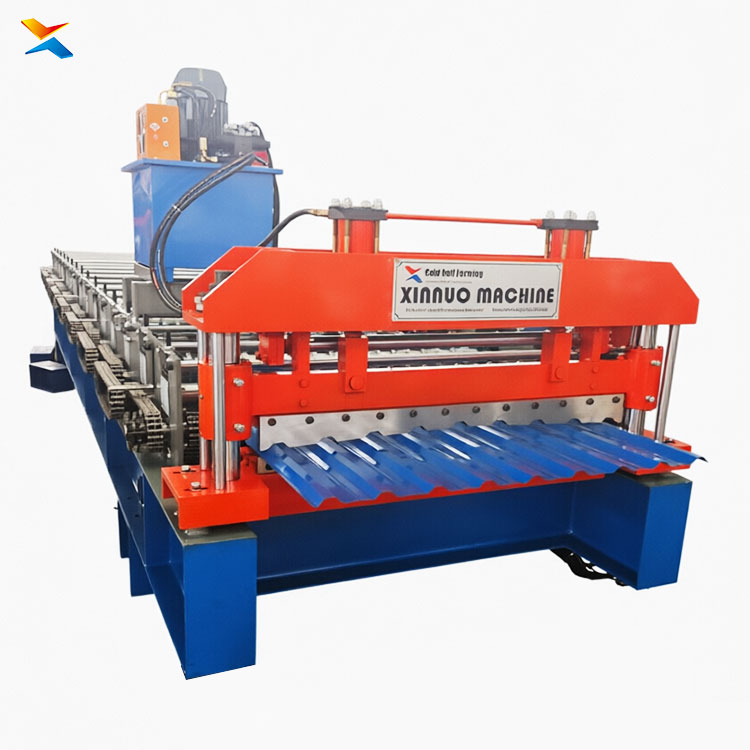
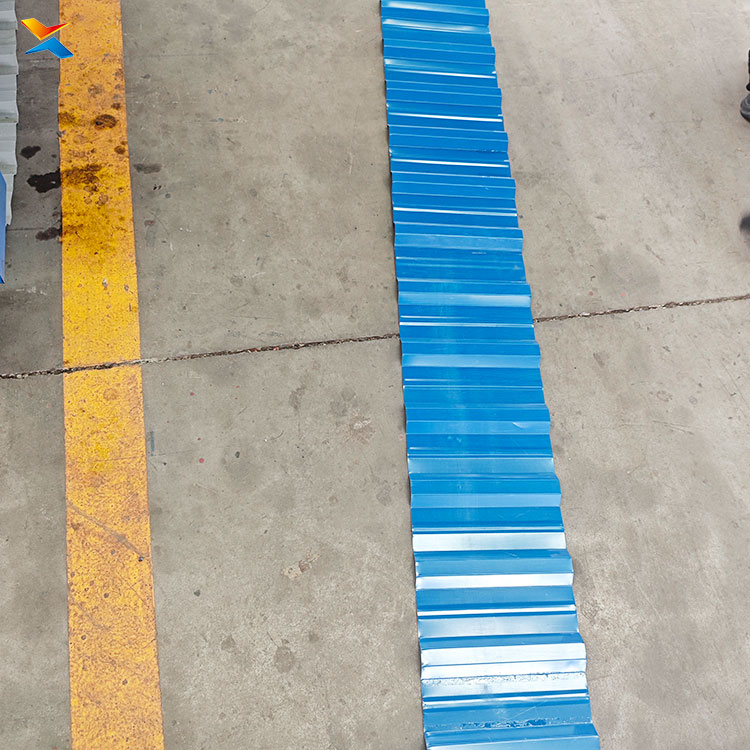
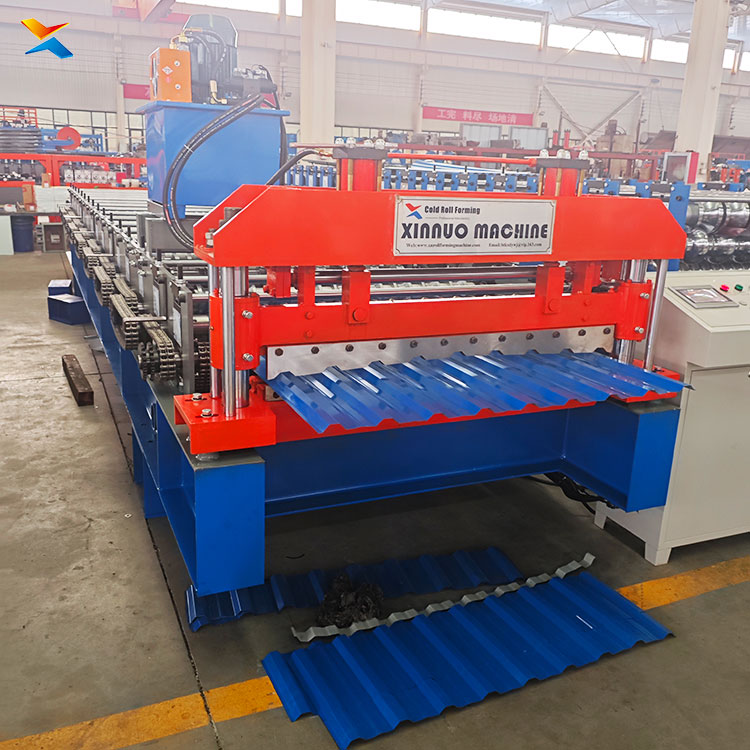
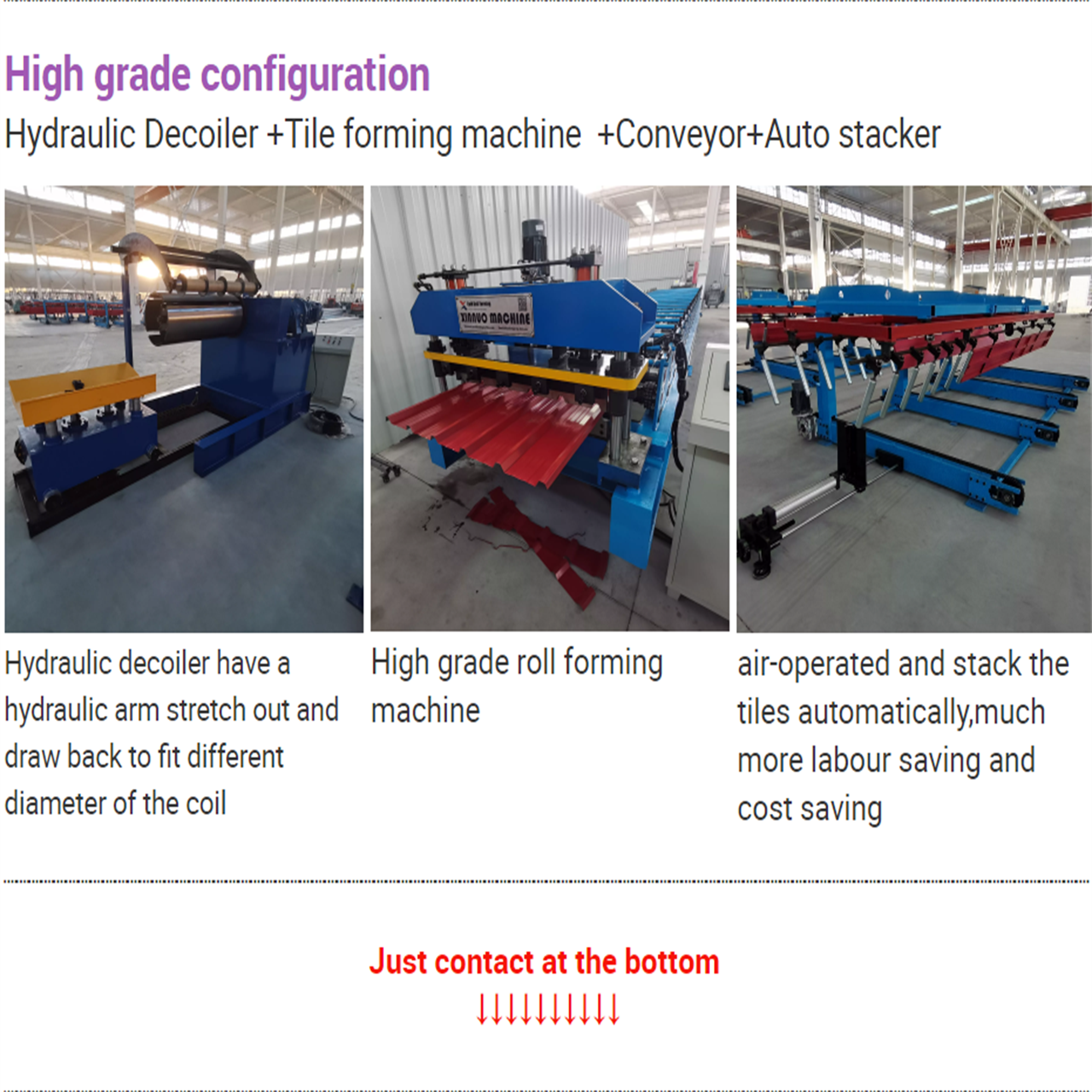
The main body of the Insulated Metal Tile Roll Forming Machine



♦ COMPANY PROFILE:
Hebei Xinnuo Roll Forming Machine Co., Ltd., not only produce different types of professional roll forming machines, but also develop intelligent automatic roll forming production lines, C&Z shape purline machines, highway guardrail roll forming machine lines, sandwich panel production lines, decking forming machines, light keel machines, shutter slat door forming machines, downpipe machines, gutter machines, etc.
Advantages of Roll Forming A Metal Part
There are several advantages of using roll forming for your projects:
- The roll forming process allows operations such as punching, notching, and welding to be performed in-line. Labor cost and time for secondary operations are reduced or eliminated, reducing part costs.
- Roll form tooling allows for a high degree of flexibility. A single set of roll form tools will make almost any length of the same cross-section. Multiple sets of tools for varying length parts are not required.
- It can provide better dimensional control than other competing metal forming processes.
- Repeatability is inherent in the process, allowing easier assembly of roll formed parts into your finished product, and minimizing problems due to “standard” tolerance build up.
- Roll forming is typically a higher speed process.
- Roll forming offers customers a superior surface finish. This makes roll forming an excellent option for decorative stainless steel parts or for parts requiring a finish such as anodizing or powder coating. Also, texture or pattern can be rolled into the surface during forming.
- Roll forming utilizes material more efficiently than other competing processes.
- Roll formed shapes can be developed with thinner walls than competing processes
Roll forming is a continuous process which converts sheet metal into an engineered shape using consecutive sets of mated rolls, each of which makes only incremental changes in the form. The sum of these small changes in form is a complex profile.


