


Product Overview
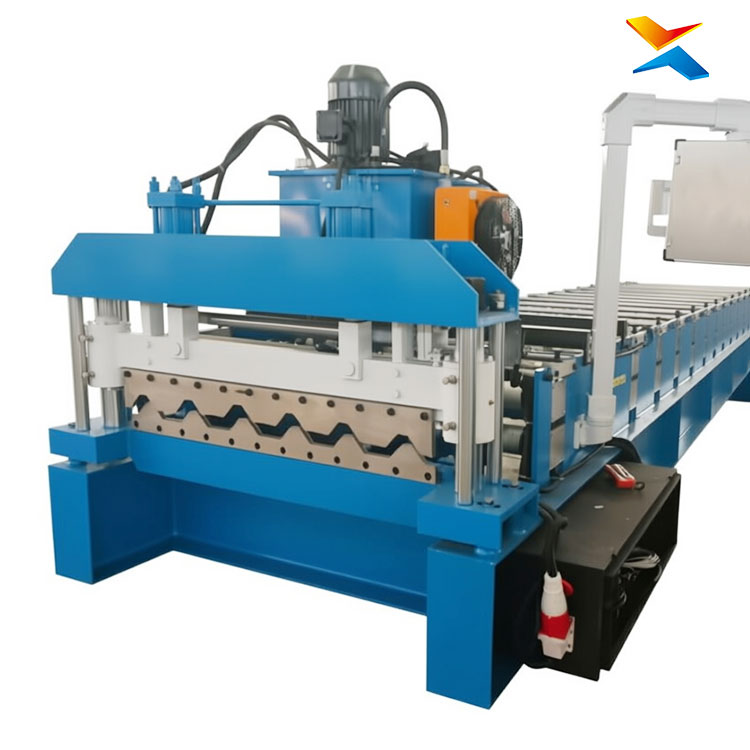
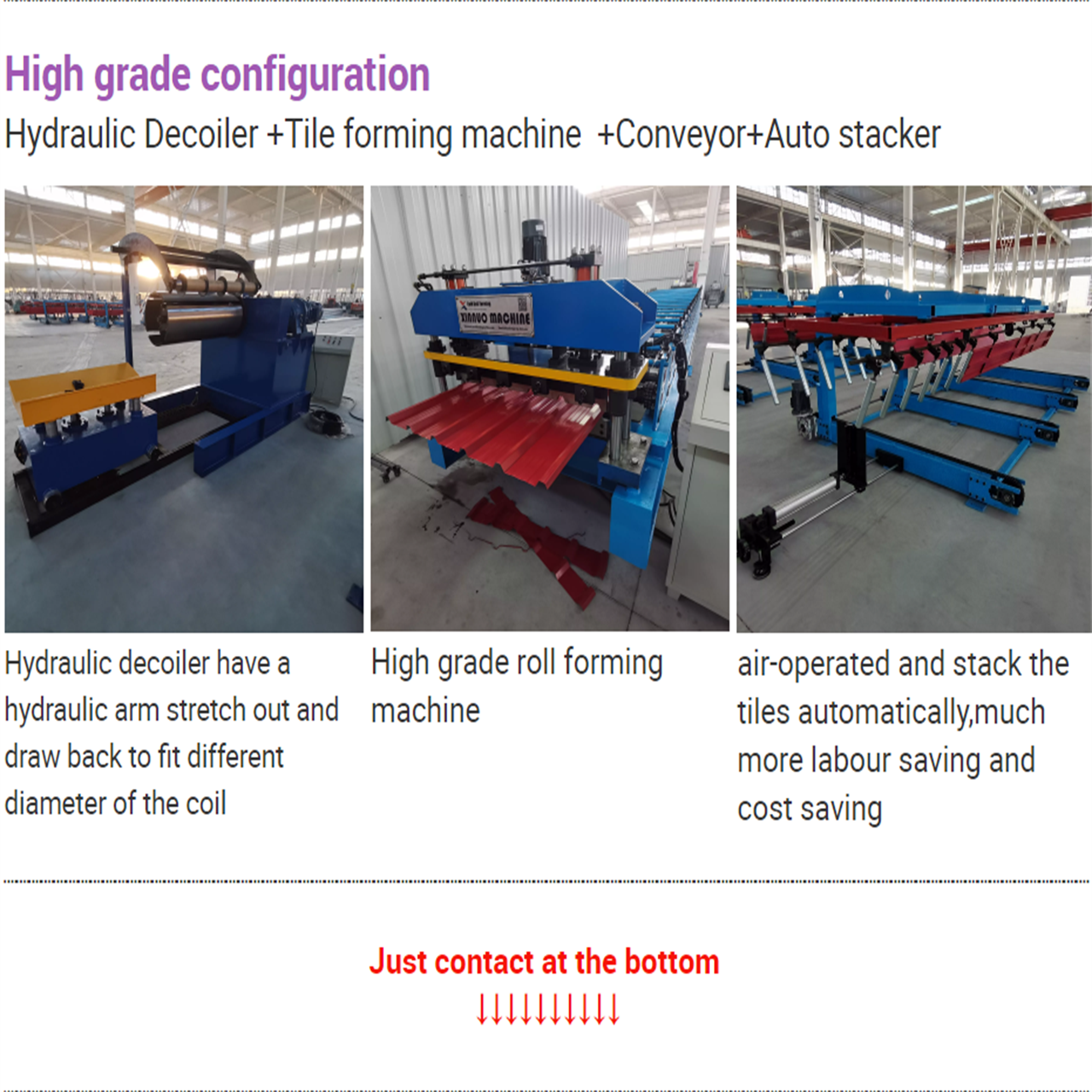
The Automatic Trapezoidal Panel Machine is a state-of-the-art, fully integrated manufacturing system designed to streamline the production of high-strength metal roofing and wall cladding. Engineered with advanced PLC control technology, this equipment automates the entire workflow from material decoiling and leveling to precision bending and continuous cutting. By combining intelligent digital automation with robust mechanical engineering, it ensures flawless trapezoidal profiles, exact dimensional tolerances, and high-speed output. This PLC-controlled metal sheet bending and cutting equipment is the ultimate turnkey solution for steel fabricators seeking to maximize production efficiency, minimize labor costs, and deliver premium-quality building materials for modern construction projects.
- Advanced PLC Control & Intelligent Automation: Governed by a cutting-edge Programmable Logic Controller (PLC) and a multi-language touchscreen HMI, the machine allows for seamless operation. Operators can effortlessly input panel lengths, batch quantities, and bending parameters. The intelligent system ensures high repeatability, automated length counting, and rapid recipe switching, significantly reducing human error and downtime.
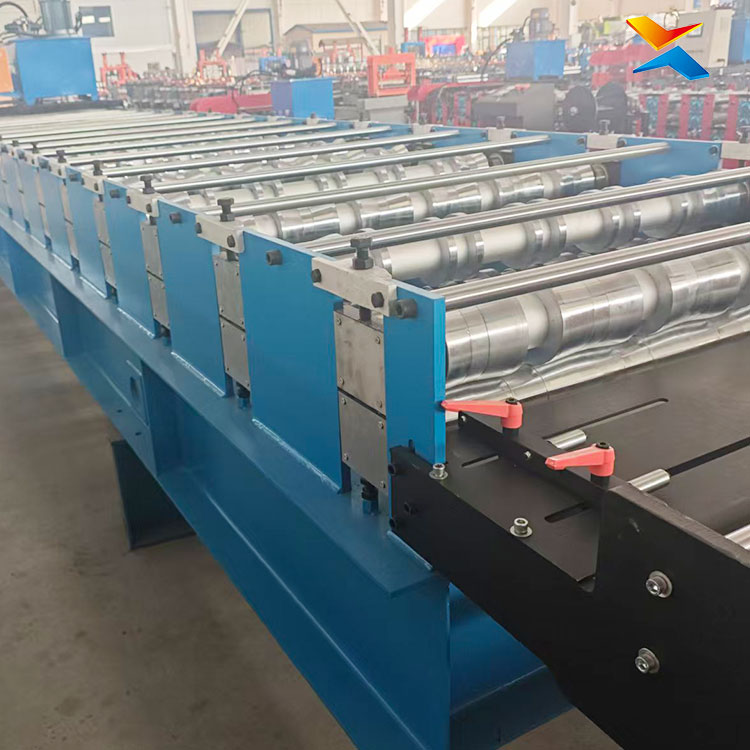
- Precision Bending & Roll Forming Stations: The core forming section features meticulously calibrated, heavy-duty rollers crafted from premium tool steel. These stations are engineered to execute exact trapezoidal bends with crisp, uniform ribs. The precision alignment guarantees perfect interlocking capabilities and superior structural load-bearing capacity.
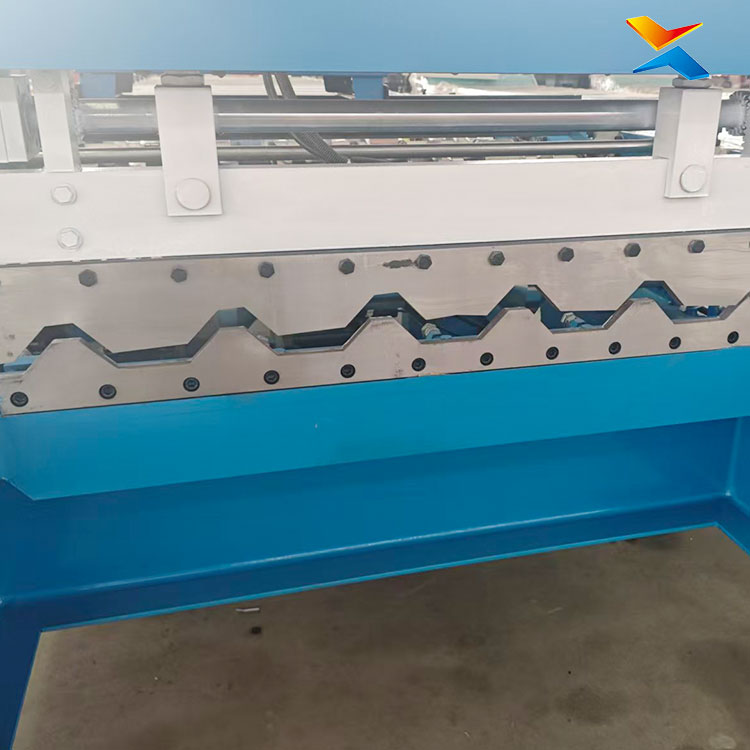
- High-Speed Automatic Cutting System: Equipped with an advanced automatic cutting mechanism (hydraulic flying shear or precision press cut), the machine dynamically tracks the moving panel to execute clean, burr-free cuts at exact lengths. This continuous cutting technology maximizes throughput while maintaining strict dimensional tolerances without stopping the production line.
- Surface Protection & Material Compatibility: Specifically optimized for processing PPGI, GI, and aluminum coils, the machine’s smooth, hard-chromed rollers and precision guide systems prevent scratching, peeling, or deformation of protective coatings. This ensures the final panels maintain their aesthetic appeal and corrosion resistance.
- Heavy-Duty Structural Frame: Built with a reinforced, stress-relieved steel chassis, the machine absorbs high forming forces and vibrations without mechanical deflection. This robust architecture guarantees stable, continuous operation and consistent panel quality even during prolonged, high-speed manufacturing.
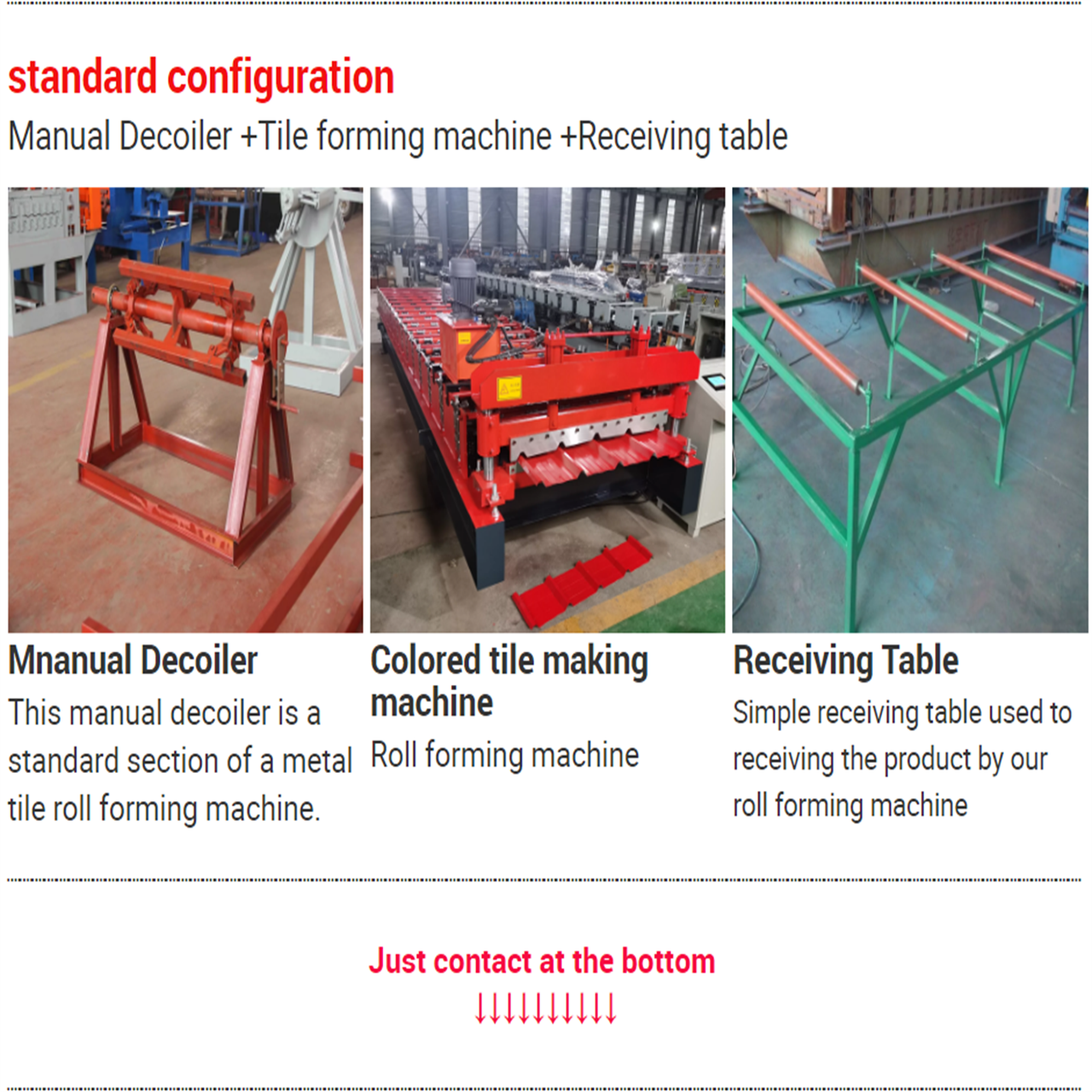
- Fully Integrated Workflow: The automated line seamlessly integrates decoiling, precision leveling, roll forming, and cutting into a single synchronized system. This comprehensive automation drastically reduces manual handling, optimizes factory floor space, and ensures a highly efficient production cycle.
The precise, high-quality trapezoidal panels produced by this automatic machine are widely utilized across the modern construction and manufacturing sectors, including:
- Industrial & Warehouse Construction: Manufacturing durable, weather-resistant roofing and wall cladding for large-span factories, logistics centers, and storage facilities.
- Commercial & Public Buildings: Producing aesthetically pleasing, high-strength exterior facades and roofing for shopping malls, exhibition halls, sports arenas, and airports.
- Residential & Modular Housing: Creating sleek, modern metal roofing and siding for residential homes, villas, and prefabricated modular buildings.
- Agricultural & Rural Structures: Providing reliable, long-lasting roofing solutions for greenhouses, poultry farms, and agricultural equipment storage.
The Automatic Trapezoidal Panel Machine is specifically designed for forward-thinking manufacturers who demand uncompromising efficiency and precision. By leveraging advanced PLC automation and high-speed cutting technology, it empowers fabricators to consistently produce structurally superior, visually flawless metal panels at maximum throughput. Investing in this equipment allows businesses to significantly lower labor and operational costs, meet strict architectural standards, and build a dominant reputation in the competitive metal building materials market, ultimately driving long-term profitability and growth.


♦ COMPANY PROFILE:
Hebei Xinnuo Roll Forming Machine Co., Ltd., not only produce different types of professional roll forming machines, but also develop intelligent automatic roll forming production lines, C&Z shape purline machines, highway guardrail roll forming machine lines, sandwich panel production lines, decking forming machines, light keel machines, shutter slat door forming machines, downpipe machines, gutter machines, etc.
Advantages of Roll Forming A Metal Part
There are several advantages of using roll forming for your projects:
- The roll forming process allows operations such as punching, notching, and welding to be performed in-line. Labor cost and time for secondary operations are reduced or eliminated, reducing part costs.
- Roll form tooling allows for a high degree of flexibility. A single set of roll form tools will make almost any length of the same cross-section. Multiple sets of tools for varying length parts are not required.
- It can provide better dimensional control than other competing metal forming processes.
- Repeatability is inherent in the process, allowing easier assembly of roll formed parts into your finished product, and minimizing problems due to “standard” tolerance build up.
- Roll forming is typically a higher speed process.
- Roll forming offers customers a superior surface finish. This makes roll forming an excellent option for decorative stainless steel parts or for parts requiring a finish such as anodizing or powder coating. Also, texture or pattern can be rolled into the surface during forming.
- Roll forming utilizes material more efficiently than other competing processes.
- Roll formed shapes can be developed with thinner walls than competing processes
Roll forming is a continuous process which converts sheet metal into an engineered shape using consecutive sets of mated rolls, each of which makes only incremental changes in the form. The sum of these small changes in form is a complex profile.


