


Product Overview
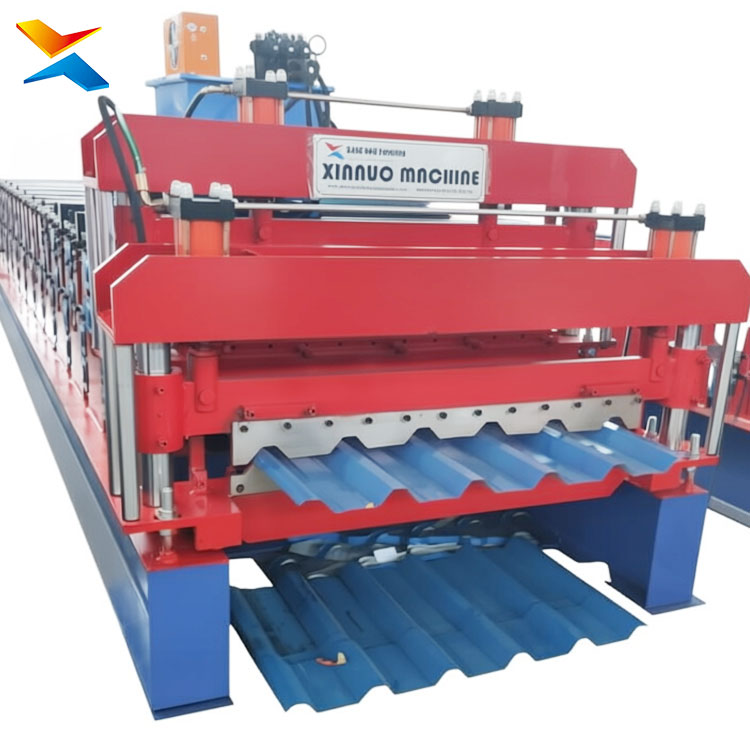
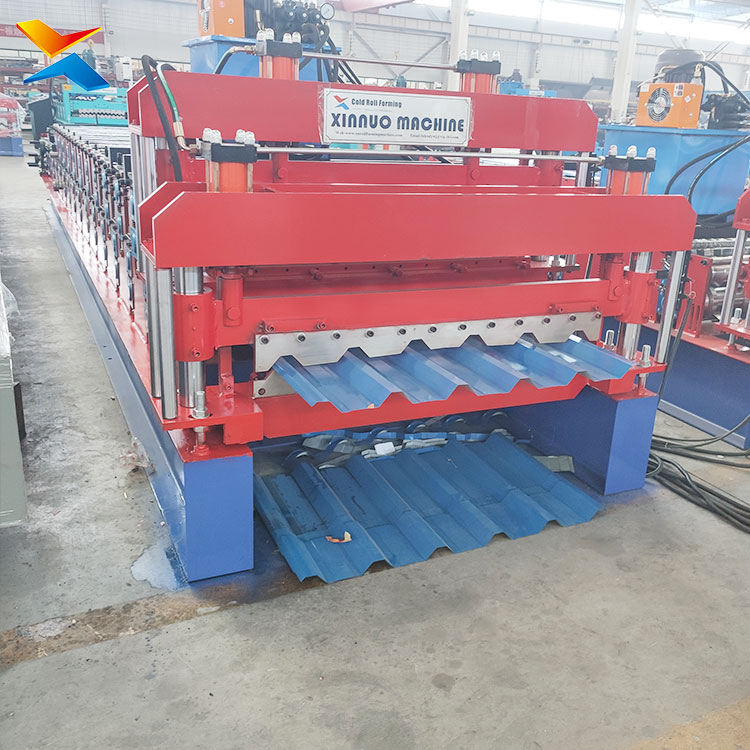
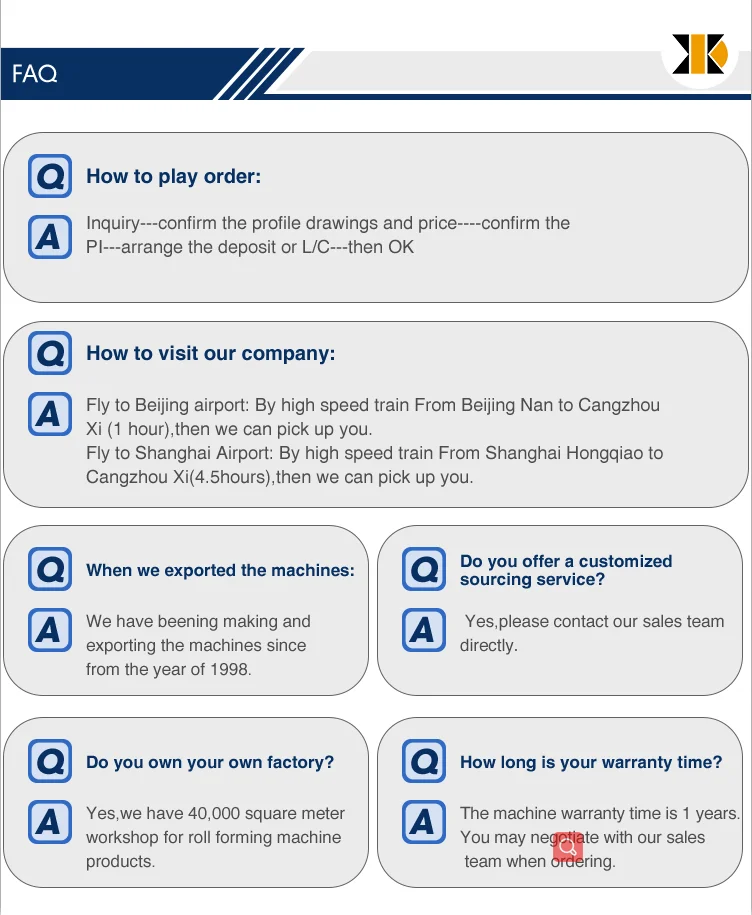
The Automatic Double Layer Machine is a highly advanced, space-efficient manufacturing solution designed to streamline metal panel production. By integrating two distinct roll forming systems into a single, sturdy frame, this equipment offers unparalleled versatility. It is the perfect choice for manufacturers seeking to expand their product range and maximize production flexibility without the need for multiple standalone machines.
At the heart of this machine is a state-of-the-art PLC (Programmable Logic Controller) system paired with an intuitive touch screen interface. This intelligent control center acts as the brain of the operation, allowing operators to seamlessly input parameters, manage production counts, and monitor the entire automated workflow. The system ensures precise control over the forming speed, feeding rate, and cutting length, significantly reducing manual intervention and minimizing human error.
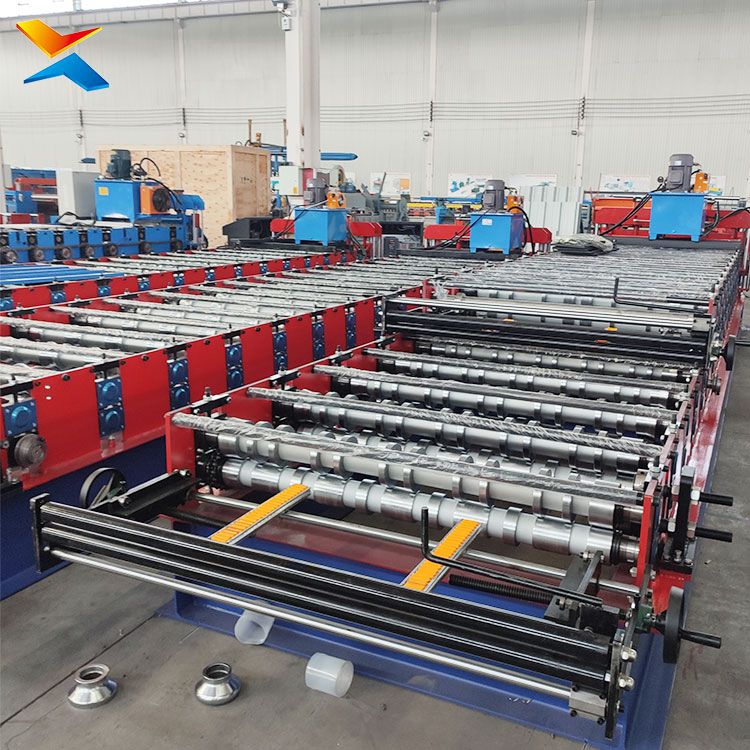
A standout feature of this double-layer machine is its completely independent upper and lower layers. Each layer is equipped with its own dedicated roll forming stations, motors, and hydraulic cutting systems, allowing them to operate separately without interference. This design enables the production of two different profiles (such as trapezoidal roofing and corrugated wall panels) from a single machine. Switching between the two profiles is incredibly fast and efficient, requiring only simple debugging and adjustments via the PLC system, which drastically reduces downtime and boosts overall productivity.
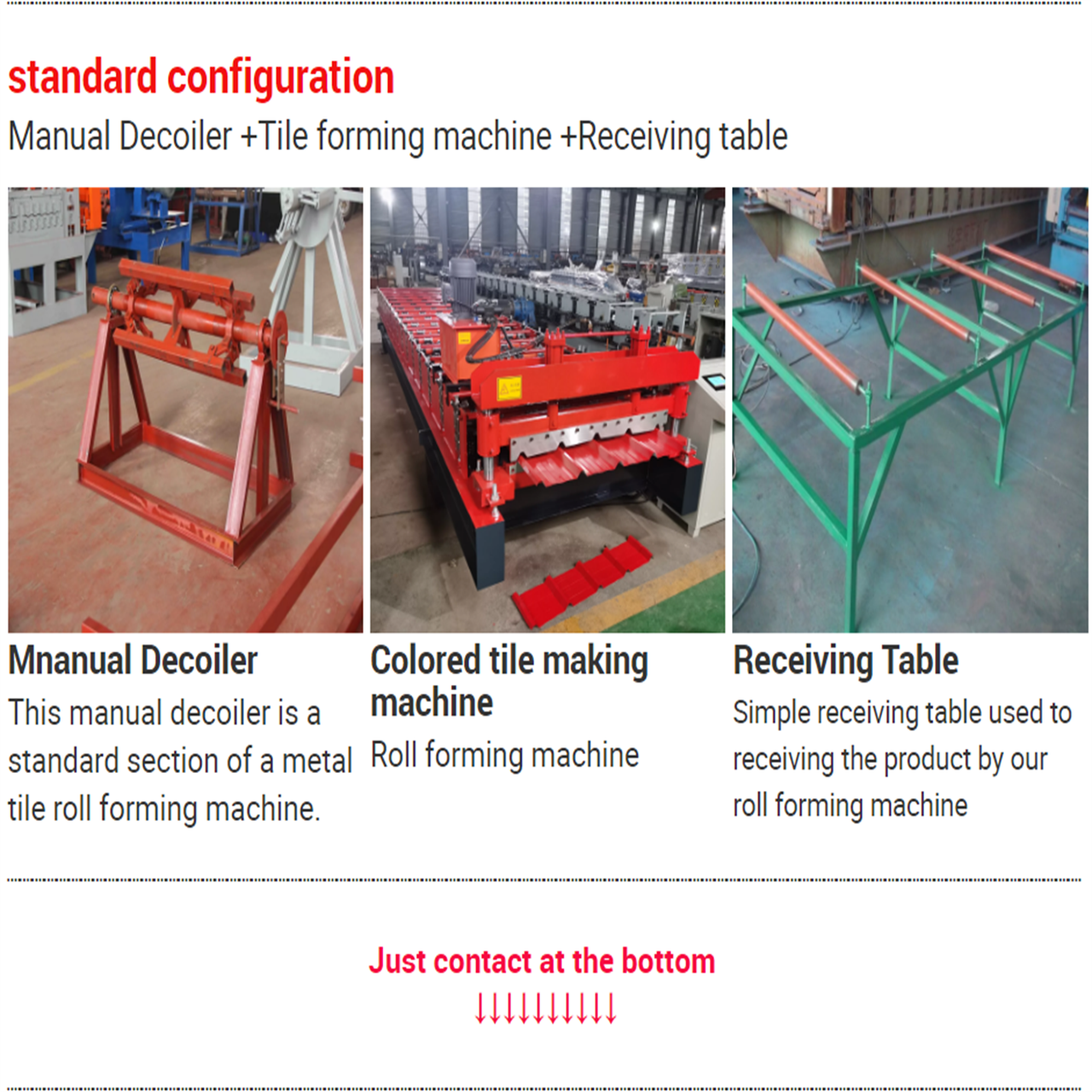
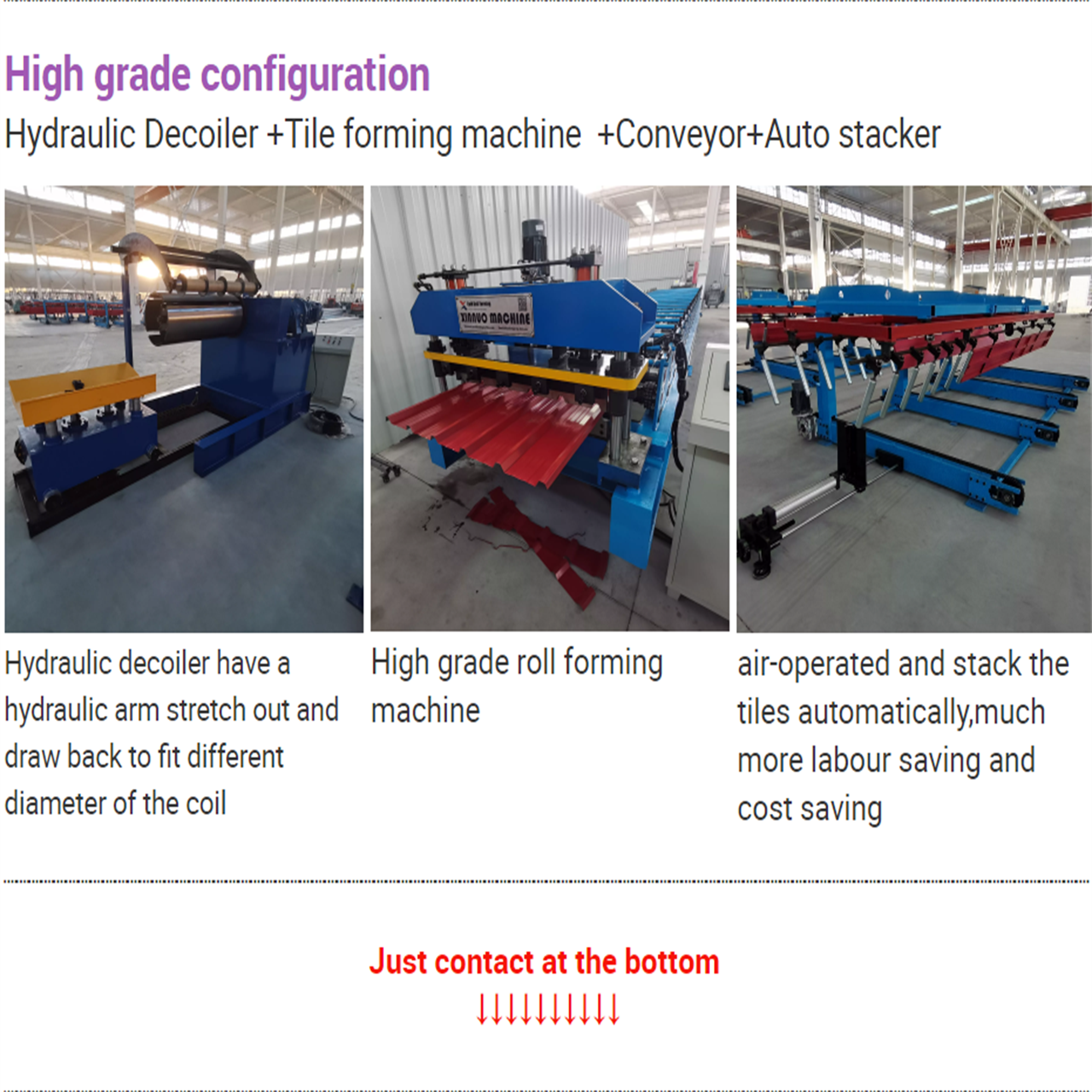
The machine features a fully automated and streamlined workflow. Raw material is smoothly uncoiled and guided into the precision roll forming stations, where high-grade, hard-chrome-plated rollers progressively shape the metal into the exact desired profile. Following the forming process, a high-precision hydraulic post-cutting system automatically measures and slices the panels to the required length with exceptional accuracy, ensuring clean edges and zero material waste.


♦ COMPANY PROFILE:
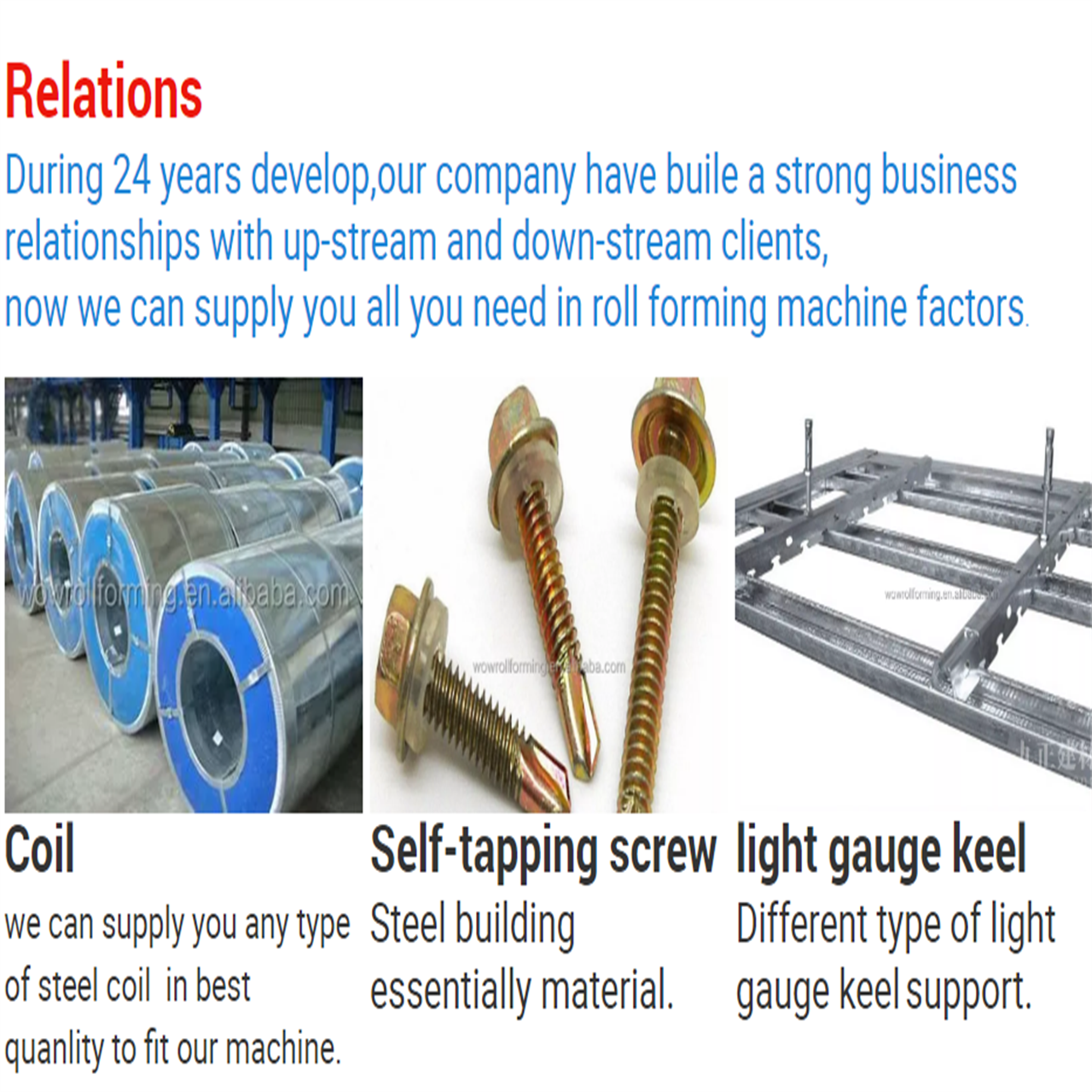
Hebei Xinnuo Roll Forming Machine Co., Ltd., not only produce different types of professional roll forming machines, but also develop intelligent automatic roll forming production lines, C&Z shape purline machines, highway guardrail roll forming machine lines, sandwich panel production lines, decking forming machines, light keel machines, shutter slat door forming machines, downpipe machines, gutter machines, etc.
Advantages of Roll Forming A Metal Part
There are several advantages of using roll forming for your projects:
- The roll forming process allows operations such as punching, notching, and welding to be performed in-line. Labor cost and time for secondary operations are reduced or eliminated, reducing part costs.
- Roll form tooling allows for a high degree of flexibility. A single set of roll form tools will make almost any length of the same cross-section. Multiple sets of tools for varying length parts are not required.
- It can provide better dimensional control than other competing metal forming processes.
- Repeatability is inherent in the process, allowing easier assembly of roll formed parts into your finished product, and minimizing problems due to “standard” tolerance build up.
- Roll forming is typically a higher speed process.
- Roll forming offers customers a superior surface finish. This makes roll forming an excellent option for decorative stainless steel parts or for parts requiring a finish such as anodizing or powder coating. Also, texture or pattern can be rolled into the surface during forming.
- Roll forming utilizes material more efficiently than other competing processes.
- Roll formed shapes can be developed with thinner walls than competing processes
Roll forming is a continuous process which converts sheet metal into an engineered shape using consecutive sets of mated rolls, each of which makes only incremental changes in the form. The sum of these small changes in form is a complex profile.
-
Heavy Duty Double Layer Profile Roll Forming Ma...
-
Customizable Trapezoidal Profile Machine | 840/...
-
Fully Automatic Double Layer Galvanized Sheet M...
-
Industrial Double Layer Single Panel Roll Formi...
-
Portable Trapezoidal Roof Sheet Machine | On-Si...
-
Reliable Double Layer Roll Forming Machine Manu...


