


Designed to excel in a wide range of industrial automation scenarios, the Trapezoidal Single-Board Machine is a compact, high-performance control device that integrates trapezoidal programming to simplify operation and enhance efficiency. Unlike traditional bulky controllers, this single-board solution combines the flexibility of a single-board computer (SBC) with the reliability of a programmable logic controller (PLC), making it perfectly suited for small to medium-sized industrial applications—from packaging machinery and textile equipment to food processing lines and machine tool control. Its industrial-grade design ensures stable operation in harsh environments, resisting electromagnetic interference, extreme temperatures, and humidity, which is essential for 24/7 production operations. The intuitive trapezoidal programming interface eliminates the need for complex coding, allowing on-site operators to quickly edit, debug, and modify programs, reducing deployment time and minimizing operational errors. With multiple configurable I/O ports, it can seamlessly connect to sensors, actuators, and other peripherals, adapting to different production needs and ensuring precise control of every process. Whether you’re upgrading an existing system or building a new automation line, this trapezoidal single-board machine delivers consistent performance to keep your production running smoothly.


♦ COMPANY PROFILE:
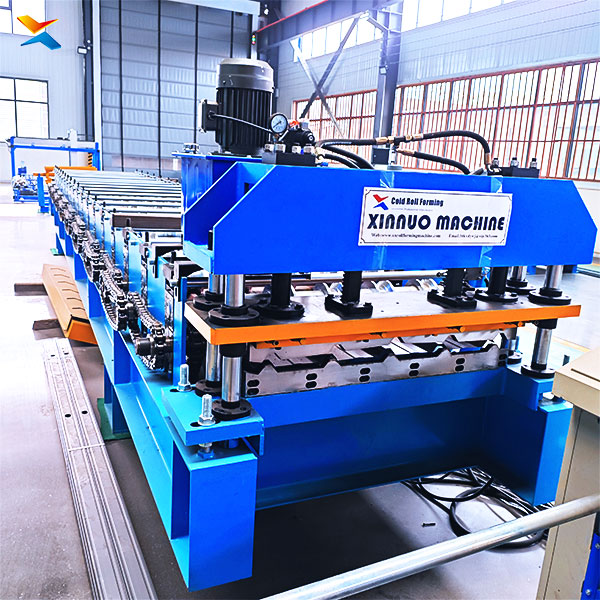
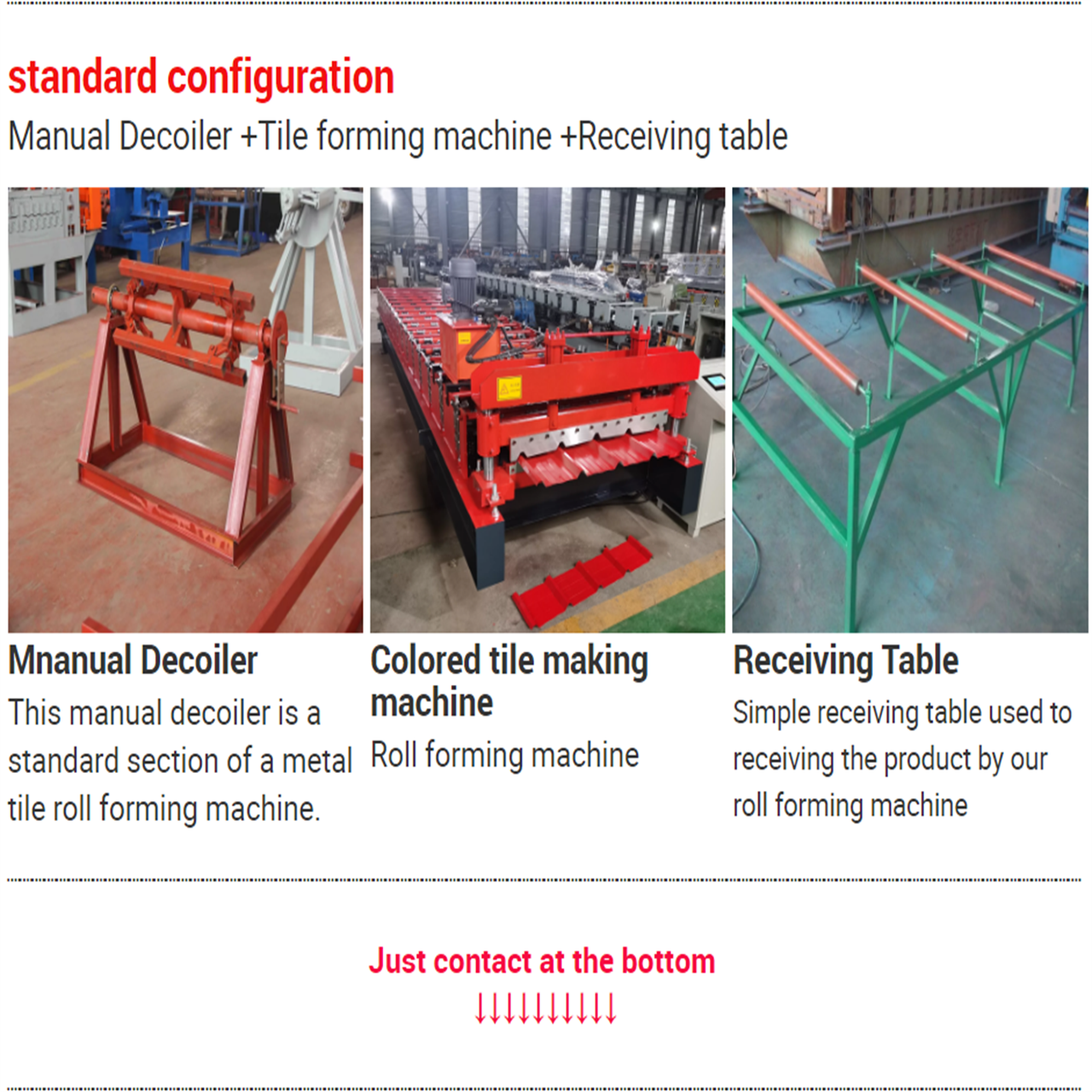
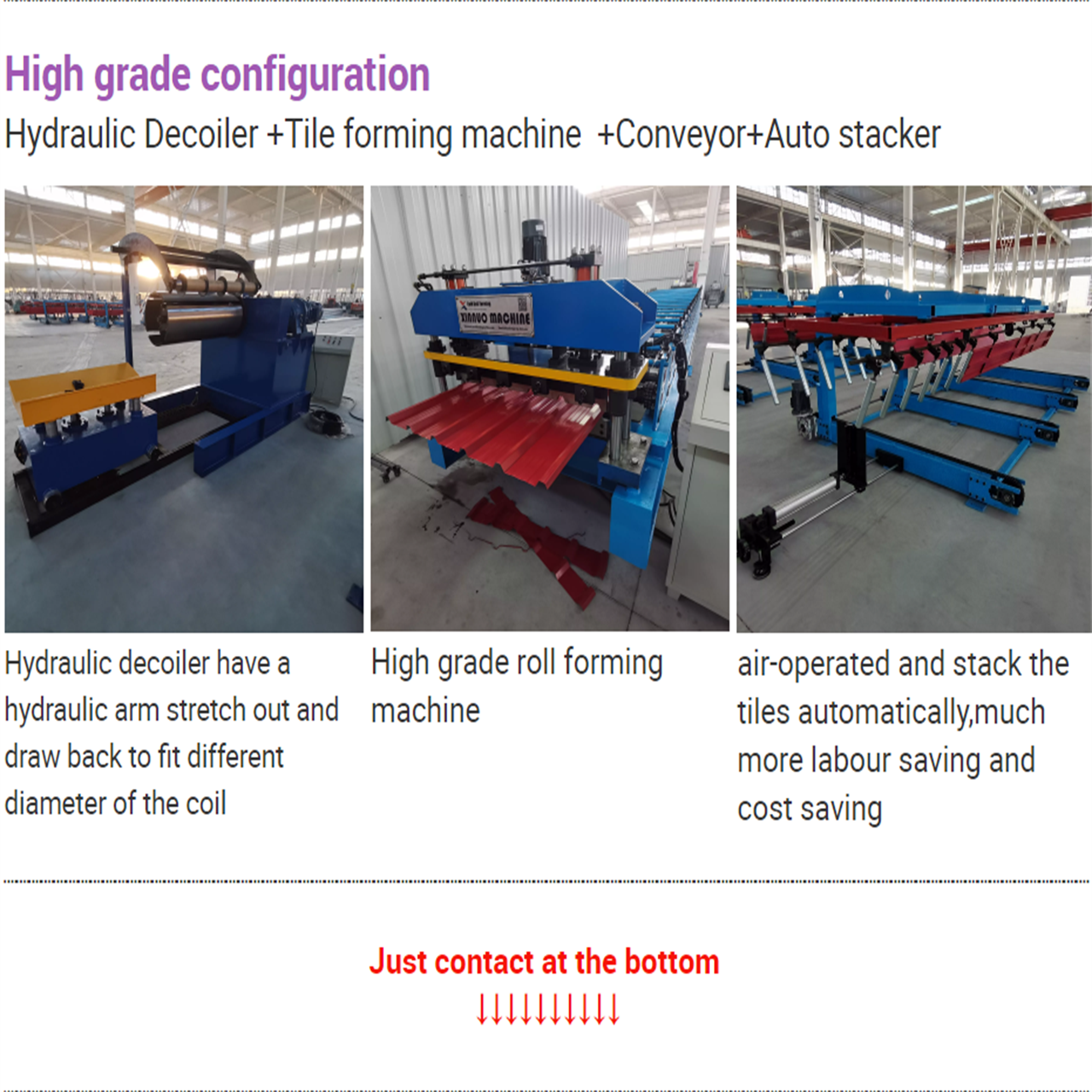
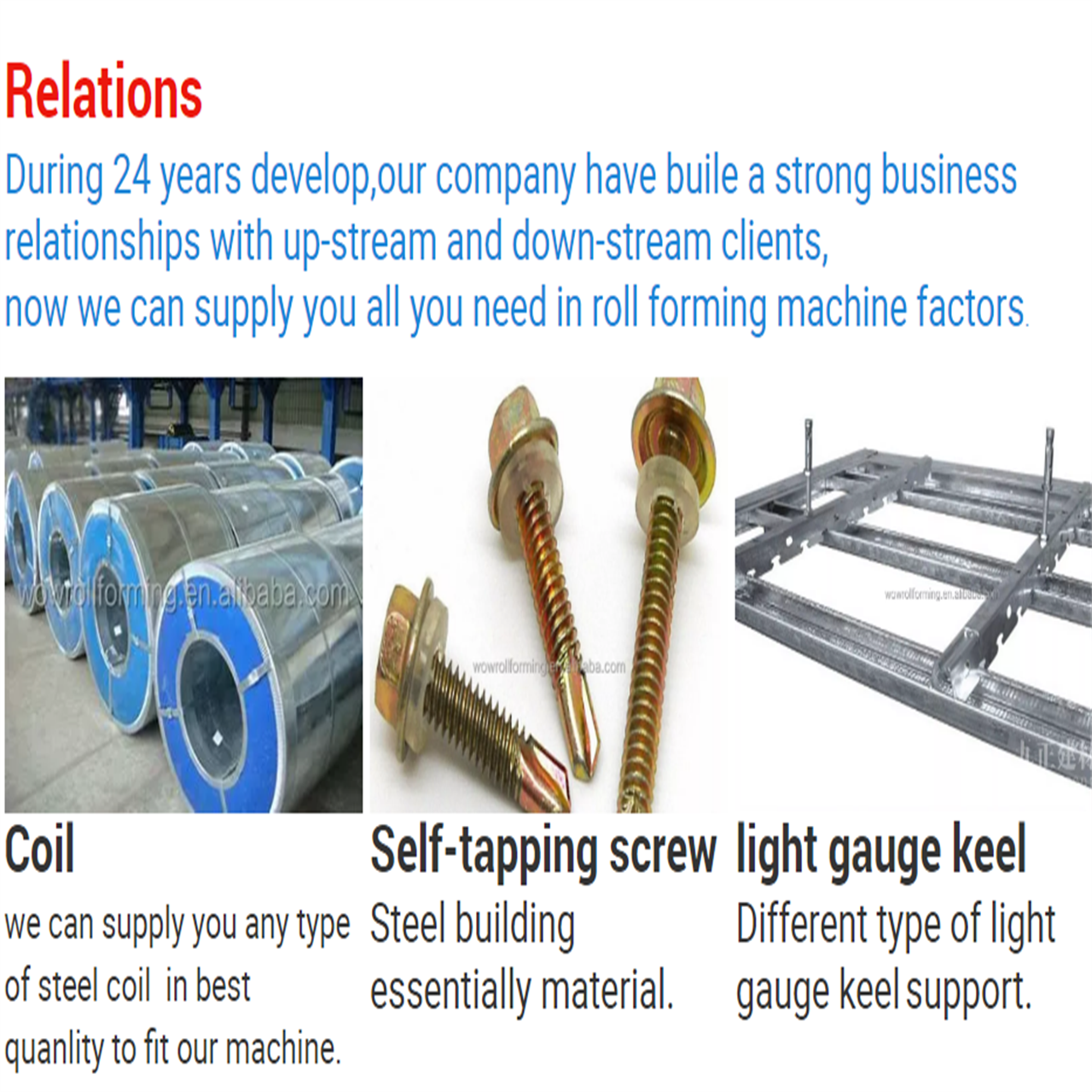
Hebei Xinnuo Roll Forming Machine Co., Ltd., not only produce different types of professional roll forming machines, but also develop intelligent automatic roll forming production lines, C&Z shape purline machines, highway guardrail roll forming machine lines, sandwich panel production lines, decking forming machines, light keel machines, shutter slat door forming machines, downpipe machines, gutter machines, etc.
Advantages of Roll Forming A Metal Part
There are several advantages of using roll forming for your projects:
- The roll forming process allows operations such as punching, notching, and welding to be performed in-line. Labor cost and time for secondary operations are reduced or eliminated, reducing part costs.
- Roll form tooling allows for a high degree of flexibility. A single set of roll form tools will make almost any length of the same cross-section. Multiple sets of tools for varying length parts are not required.
- It can provide better dimensional control than other competing metal forming processes.
- Repeatability is inherent in the process, allowing easier assembly of roll formed parts into your finished product, and minimizing problems due to “standard” tolerance build up.
- Roll forming is typically a higher speed process.
- Roll forming offers customers a superior surface finish. This makes roll forming an excellent option for decorative stainless steel parts or for parts requiring a finish such as anodizing or powder coating. Also, texture or pattern can be rolled into the surface during forming.
- Roll forming utilizes material more efficiently than other competing processes.
- Roll formed shapes can be developed with thinner walls than competing processes
Roll forming is a continuous process which converts sheet metal into an engineered shape using consecutive sets of mated rolls, each of which makes only incremental changes in the form. The sum of these small changes in form is a complex profile.


