

Trapezoidal Veneer Product Description
Our trapezoidal veneer is a high-quality, versatile decorative material crafted with precision to meet the diverse needs of interior design, furniture manufacturing, and architectural decoration. With its unique trapezoidal shape, it combines aesthetic appeal with practical functionality, bringing a distinctive and elegant touch to any space.
Made from carefully selected natural wood, the trapezoidal veneer retains the original grain and texture of the wood, showcasing the natural beauty of different wood species—including oak, walnut, maple, and ash. Each piece is processed through strict drying, slicing, and polishing procedures to ensure stable performance, resistance to deformation, and long service life. The surface is smooth and flat, with clear wood grain, which not only enhances the visual effect but also makes it easy to paint, stain, or finish according to your design needs.
The trapezoidal design is the core highlight of this product. Unlike traditional rectangular veneers, its trapezoidal shape allows for flexible splicing and combination, enabling designers to create various unique patterns and effects, such as herringbone, chevron, or custom geometric designs. It is especially suitable for decorating walls, ceilings, cabinet doors, tabletops, and other surfaces, adding a sense of layering and three-dimensionality to the space. Whether it is a modern minimalist style, a classic retro style, or an industrial style, the trapezoidal veneer can seamlessly integrate and enhance the overall design temperament.
In terms of performance, our trapezoidal veneer features excellent durability and wear resistance. It is moisture-proof, anti-moth, and not easy to crack, making it suitable for both indoor dry environments and moderately humid areas such as kitchens and bathrooms (with proper protection). The thin and light texture of the veneer also reduces the load on the base material, making construction more convenient and efficient—easy to cut, paste, and install without complicated tools or professional skills.
We offer a variety of specifications, thicknesses, and wood species to choose from, and can also provide custom services according to your specific size, shape, and wood texture requirements. Our trapezoidal veneer adheres to environmental protection standards, using non-toxic and harmless adhesives and processing techniques, ensuring it is safe for human health and the environment.
Whether you are a furniture manufacturer, interior designer, or a homeowner looking to upgrade your space, our trapezoidal veneer is an ideal choice that combines beauty, practicality, and durability. It transforms ordinary surfaces into exquisite works of art, bringing warmth, texture, and personality to your life and work space.

♦ COMPANY PROFILE:
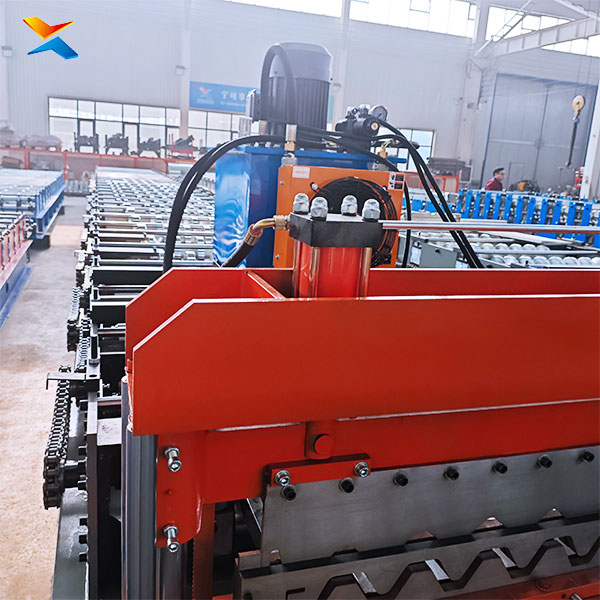
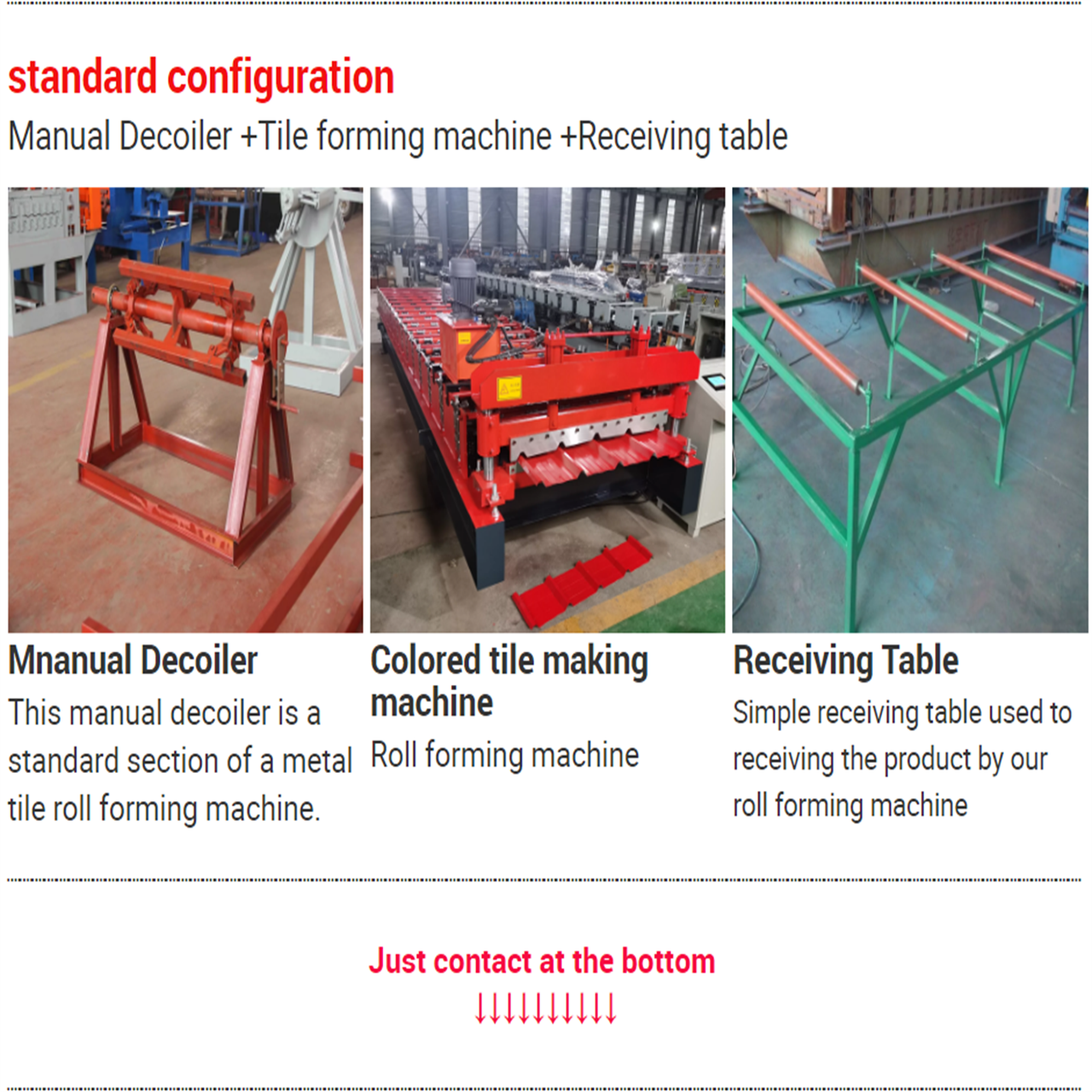
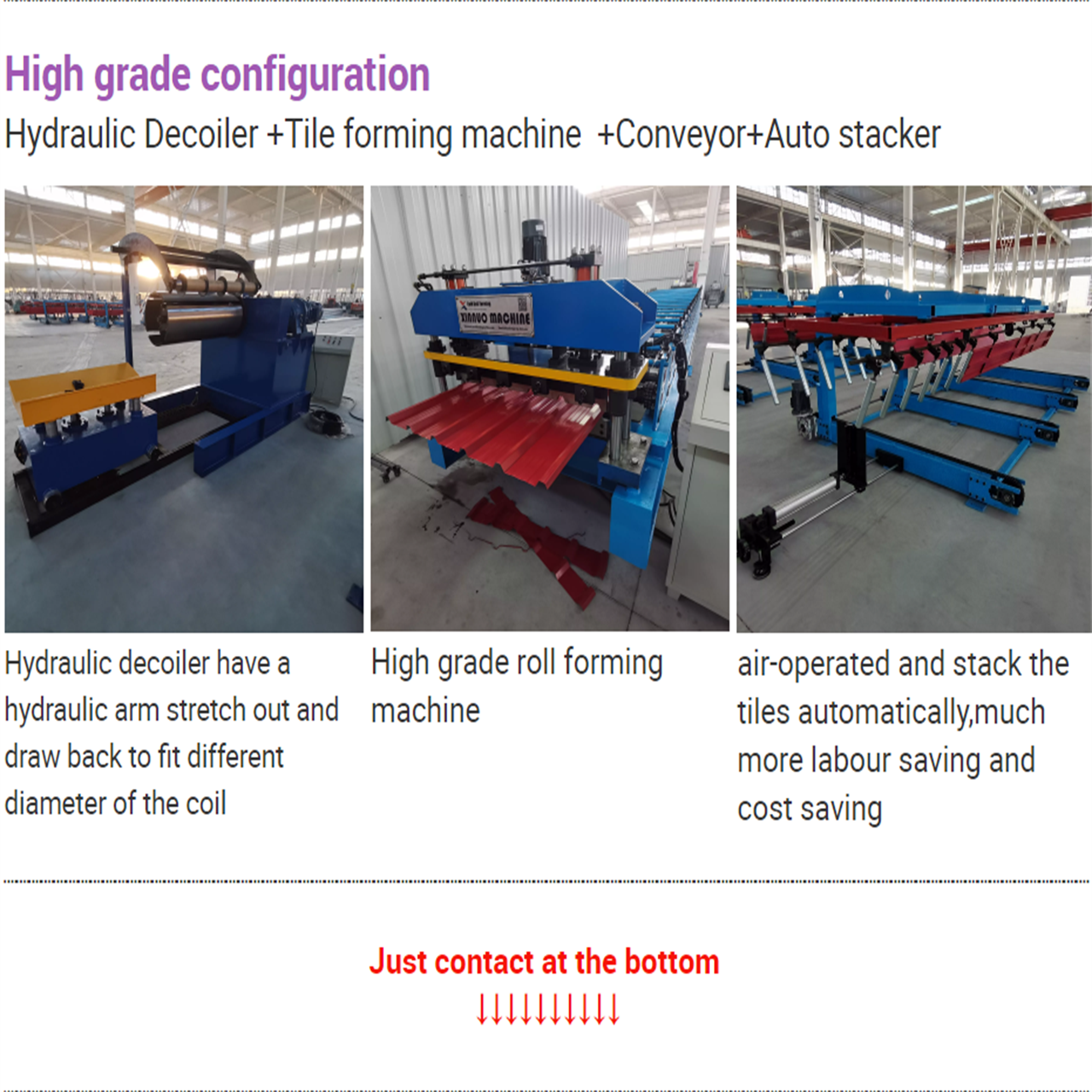
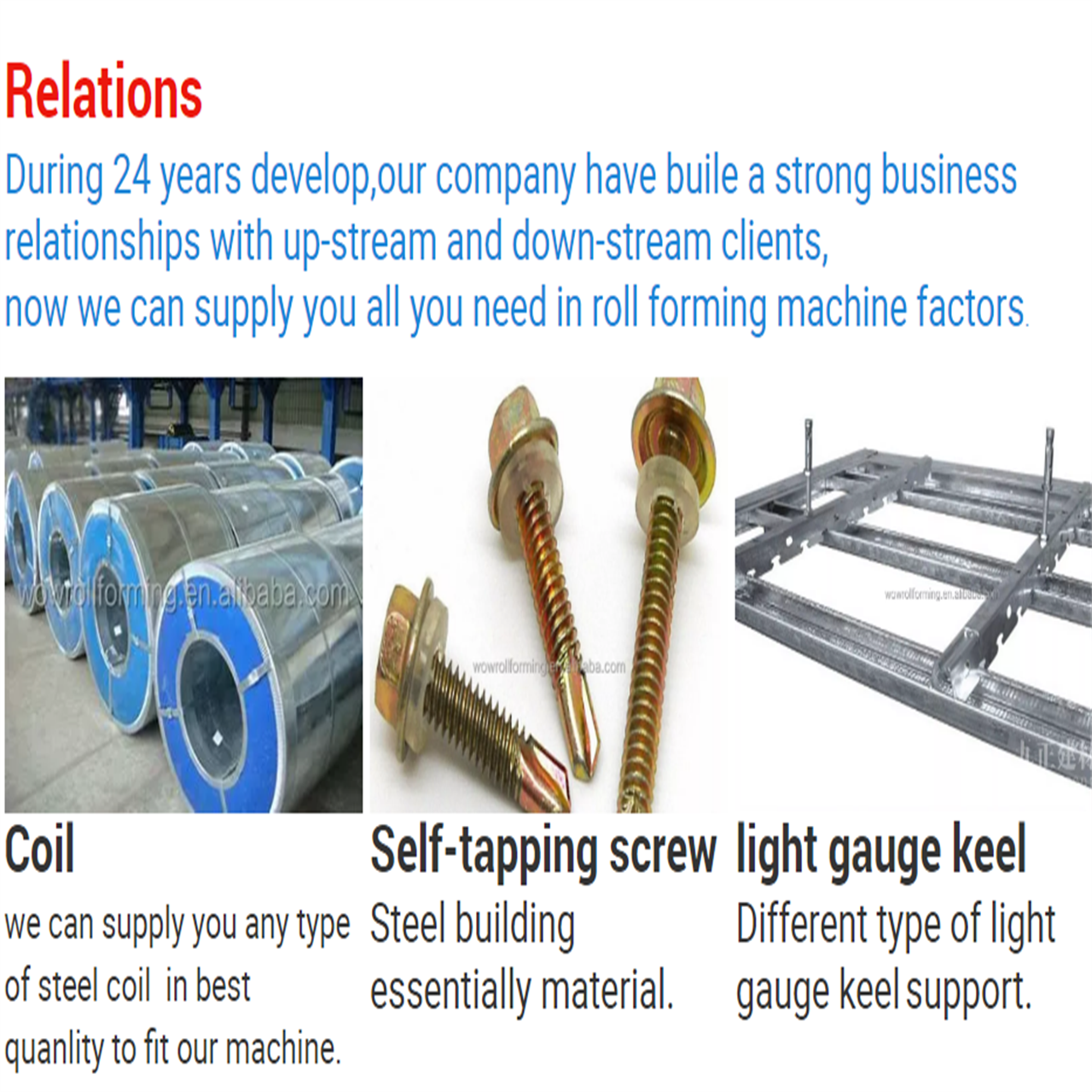
Hebei Xinnuo Roll Forming Machine Co., Ltd., not only produce different types of professional roll forming machines, but also develop intelligent automatic roll forming production lines, C&Z shape purline machines, highway guardrail roll forming machine lines, sandwich panel production lines, decking forming machines, light keel machines, shutter slat door forming machines, downpipe machines, gutter machines, etc.
Advantages of Roll Forming A Metal Part
There are several advantages of using roll forming for your projects:
- The roll forming process allows operations such as punching, notching, and welding to be performed in-line. Labor cost and time for secondary operations are reduced or eliminated, reducing part costs.
- Roll form tooling allows for a high degree of flexibility. A single set of roll form tools will make almost any length of the same cross-section. Multiple sets of tools for varying length parts are not required.
- It can provide better dimensional control than other competing metal forming processes.
- Repeatability is inherent in the process, allowing easier assembly of roll formed parts into your finished product, and minimizing problems due to “standard” tolerance build up.
- Roll forming is typically a higher speed process.
- Roll forming offers customers a superior surface finish. This makes roll forming an excellent option for decorative stainless steel parts or for parts requiring a finish such as anodizing or powder coating. Also, texture or pattern can be rolled into the surface during forming.
- Roll forming utilizes material more efficiently than other competing processes.
- Roll formed shapes can be developed with thinner walls than competing processes
Roll forming is a continuous process which converts sheet metal into an engineered shape using consecutive sets of mated rolls, each of which makes only incremental changes in the form. The sum of these small changes in form is a complex profile.


