
Keel Machine Product Description
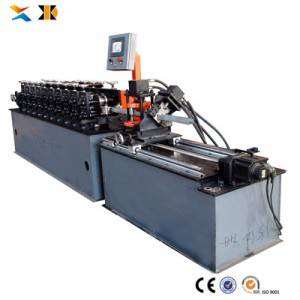
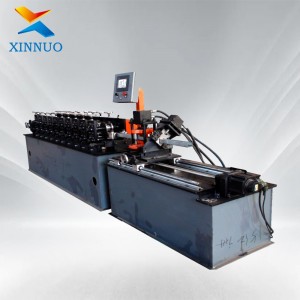
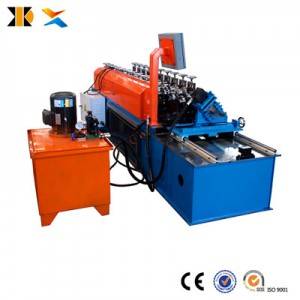
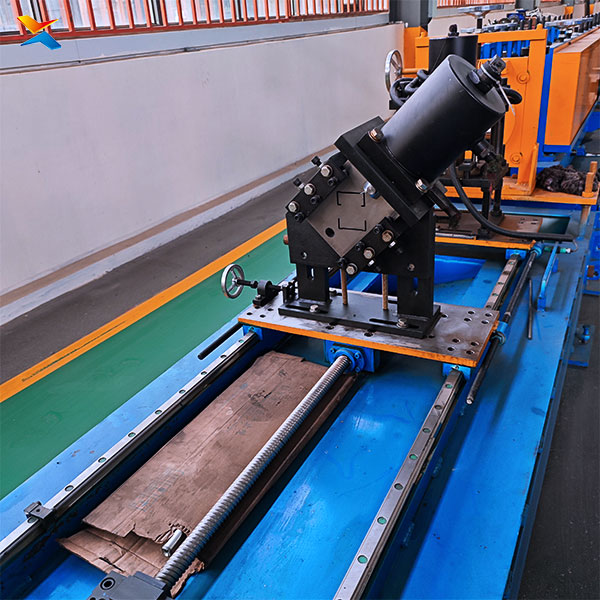
As a core production equipment in the field of construction and decoration, the keel machine is a high-efficiency, high-precision cold forming machine specially designed for processing metal coils into various types of keels, which are the “skeleton” of prefabricated buildings, ceilings, and partition walls . It integrates automation, intelligence and durability, and is widely used in construction engineering, building materials manufacturing, prefabricated house production and other fields, effectively promoting the industrialization and efficiency of building construction .
Core Working Principle & Process
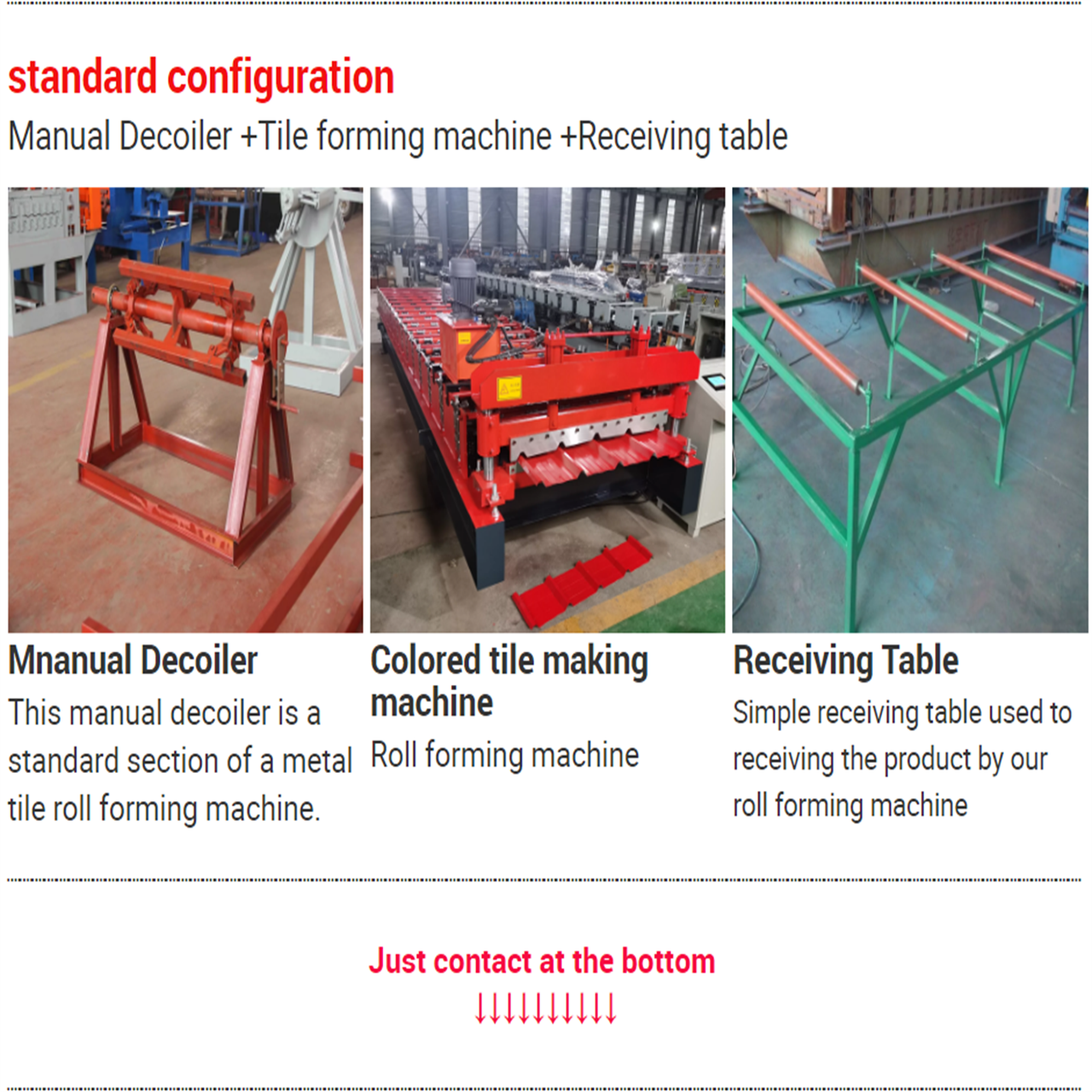
The keel machine adopts advanced cold roll forming technology, which can continuously process galvanized steel coils, stainless steel coils or aluminum coils into keels of preset cross-sectional shapes without high-temperature heating, avoiding heat warping and ensuring the integrity of the material’s surface coating and structural strength . The whole production process is fully automated, from coil uncoiling, guiding straightening, roll forming, fixed-length cutting to finished product receiving, which can be completed in one line without manual intervention in the middle, greatly improving production efficiency and product consistency .
The standard processing flow is: Uncoiling → Guiding & Leveling → Roll Forming → Fixed-length Cutting → Receiving . Each link is precisely controlled by the electrical system to ensure stable and efficient operation of the equipment .
Key Features & Advantages
- High Precision & Stable Quality: Equipped with a precision guide system and PLC intelligent control, the length error of the produced keel is controlled within ±0.5mm, and the positioning accuracy of the card slot and connecting hole can reach ±0.2mm . The roll forming system adopts multi-pass progressive bending, which makes the keel cross-section uniform, the structure firm, and the tensile strength up to 270-550MPa, meeting the national building material standards .
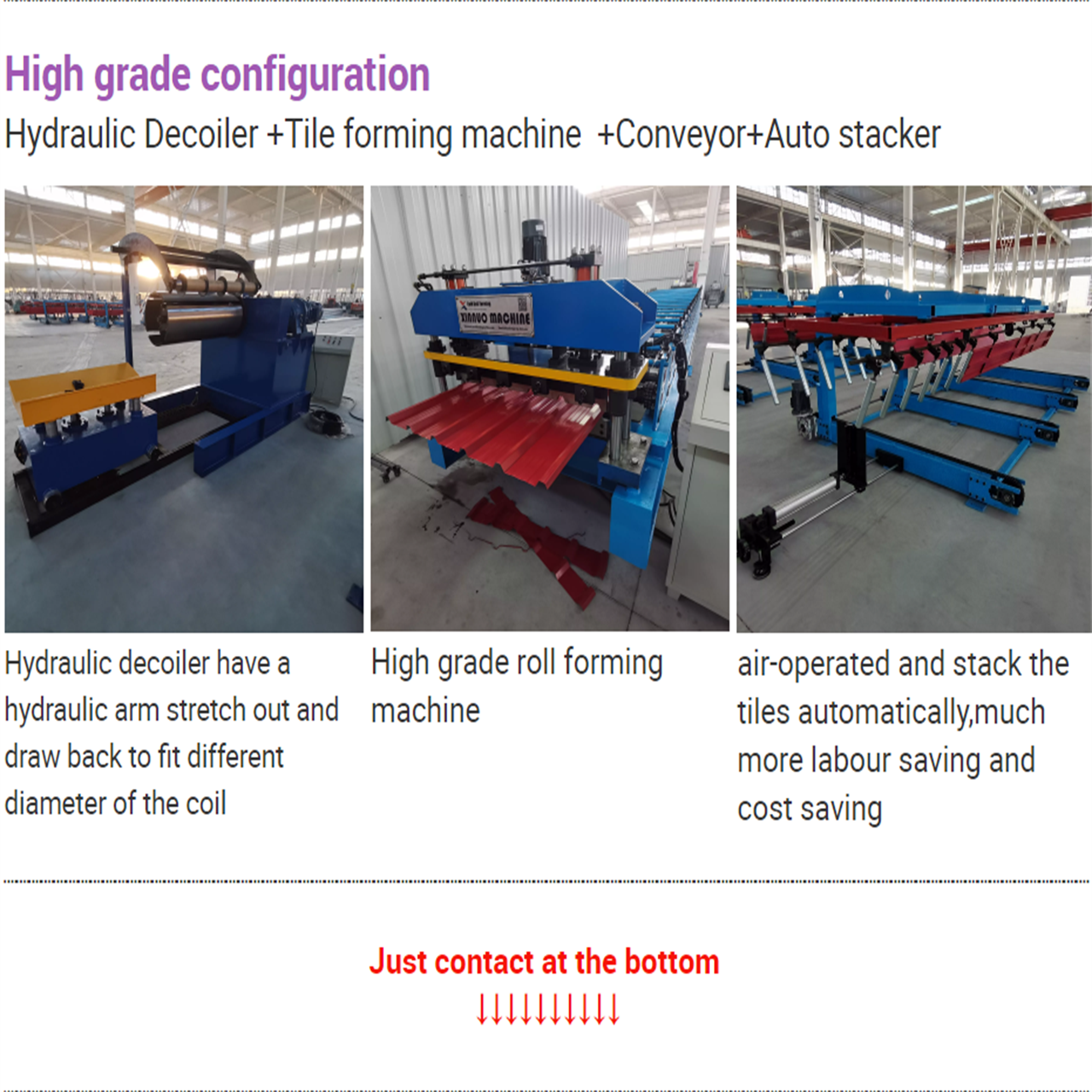
- High Automation & Efficiency: Driven by a servo motor, the forming speed can reach 15-50 meters per minute, which is 5-8 times higher than traditional manual forming . It is equipped with automatic fixed-length cutting and automatic stacking functions, which can realize continuous mass production, reduce labor costs and improve production efficiency significantly .
- Versatile & Customizable: It can produce various types of keels by replacing molds, including C-type, U-type, T-type, L-type, omega-type and other common specifications, which can be widely used in ceilings, partition walls, light steel villas and other scenarios . It supports customized development according to customer needs, adjusting the thickness, width, cross-sectional shape of the keel to adapt to different construction requirements .
- Durable & Low Failure Rate: The main frame is made of high-quality square steel, and the rolling rollers are made of GCR15 quenched material, with high hardness and wear resistance . The transmission structure adopts gear box drive, which can ensure long-term high-intensity operation of the equipment, with a service life of more than 10 years . The core components (motor, pump, roller) enjoy a 1-year warranty, and the equipment is equipped with fault self-diagnosis function, which is easy to maintain .
- Energy-Saving & Environment-Friendly: The servo system design saves 30%-40% energy compared with traditional hydraulic systems . It adopts coil material fixed-length production, with material utilization rate as high as 99% or more, almost no leftover materials, reducing resource waste and construction waste, in line with the concept of green and sustainable production .
- Safe & Easy to Operate: Equipped with complete safety protection devices, it can automatically shut down and alarm in case of abnormal operation, ensuring the personal safety of operators . The operation interface adopts a touch screen design, which is simple and intuitive, and operators can master the operation skills after simple training .
Technical Parameters
|
Item
|
Specification
|
|---|---|
|
Processing Thickness
|
0.2mm – 2.0mm (adjustable according to needs)
|
|
Forming Speed
|
15 – 50 m/min
|
|
Roller Quantity
|
8 – 12 rows (depending on keel type)
|
|
Motor Power
|
3KW – 4KW (servo motor optional)
|
|
Cutting Method
|
Hydraulic cutting / Fly saw cutting
|
|
Control System
|
PLC control (Delta optional) + Touch Screen
|
|
Weight
|
1800kg – 2700kg
|
|
Voltage
|
380V 50Hz 3Phases (customizable according to regional requirements)
|
Application Scenarios
The keel machine is widely used in various construction and decoration scenarios, including but not limited to:
- Residential and commercial building ceilings, partition walls, and suspended ceilings;
- Production of light steel villas, prefabricated houses, and modular buildings;
- Construction of public buildings such as hospitals, schools, shopping malls, and gymnasiums;
- Manufacturing of building materials such as gypsum board supporting keels and decorative keels;
- Special environment projects such as damp and corrosive places (optional stainless steel/aluminum processing).
After-Sales Service
We provide a comprehensive after-sales service system to ensure worry-free use of equipment for customers:
- Warranty Period: 1 year for the whole machine, lifelong technical support;
- Delivery Time: Within 25 days after receiving the deposit;
- Installation & Training: Professional technicians can provide on-site installation, debugging and operation training;
- Spare Parts Supply: Provide original spare parts for a long time to ensure timely replacement and maintenance;
- Technical Consultation: 24-hour online consultation to solve equipment operation and maintenance problems in a timely manner.
Our keel machine adheres to the concept of “quality first, customer-oriented”, integrates advanced technology and practical needs, and provides high-quality, efficient and cost-effective production solutions for the construction industry . Whether you are a building materials manufacturer, a construction enterprise or a project contractor, our keel machine can meet your production needs and help you improve project efficiency and quality .
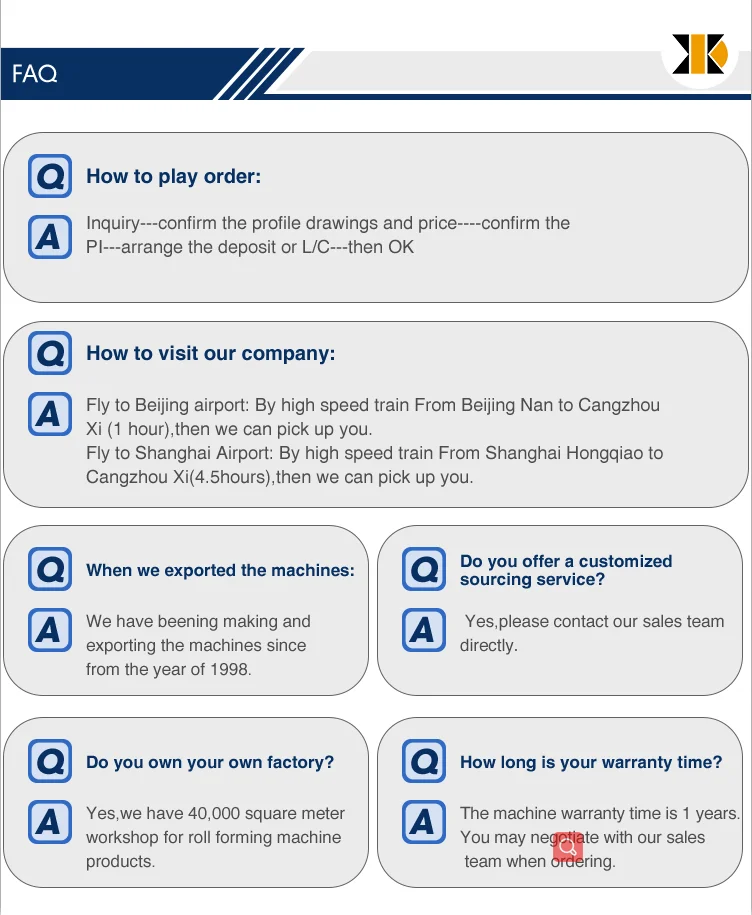
♦ COMPANY PROFILE:
Hebei Xinnuo Roll Forming Machine Co., Ltd., not only produce different types of professional roll forming machines, but also develop intelligent automatic roll forming production lines, C&Z shape purline machines, highway guardrail roll forming machine lines, sandwich panel production lines, decking forming machines, light keel machines, shutter slat door forming machines, downpipe machines, gutter machines, etc.
Advantages of Roll Forming A Metal Part
There are several advantages of using roll forming for your projects:
- The roll forming process allows operations such as punching, notching, and welding to be performed in-line. Labor cost and time for secondary operations are reduced or eliminated, reducing part costs.
- Roll form tooling allows for a high degree of flexibility. A single set of roll form tools will make almost any length of the same cross-section. Multiple sets of tools for varying length parts are not required.
- It can provide better dimensional control than other competing metal forming processes.
- Repeatability is inherent in the process, allowing easier assembly of roll formed parts into your finished product, and minimizing problems due to “standard” tolerance build up.
- Roll forming is typically a higher speed process.
- Roll forming offers customers a superior surface finish. This makes roll forming an excellent option for decorative stainless steel parts or for parts requiring a finish such as anodizing or powder coating. Also, texture or pattern can be rolled into the surface during forming.
- Roll forming utilizes material more efficiently than other competing processes.
- Roll formed shapes can be developed with thinner walls than competing processes
Roll forming is a continuous process which converts sheet metal into an engineered shape using consecutive sets of mated rolls, each of which makes only incremental changes in the form. The sum of these small changes in form is a complex profile.