
Product Description of Double-Layer Veneer Forming Machine
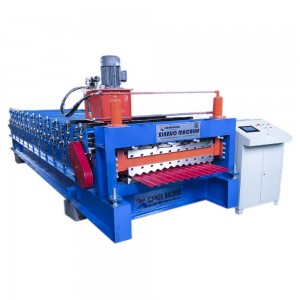
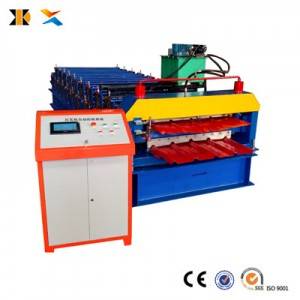
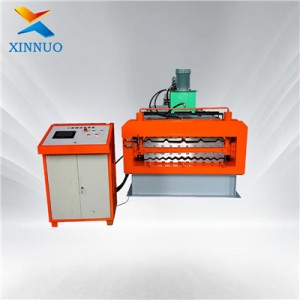
The double-layer veneer forming machine is a core plate processing equipment integrating high efficiency, precision and intelligence. Designed specifically for the needs of continuous veneer forming, splicing and pressing, it is widely used in various fields such as plywood manufacturing, color steel enclosure structure processing and building board production. Innovatively adopting the integrated design of double-layer independent forming systems, the equipment breaks the efficiency bottleneck of traditional single-layer equipment, realizing the production advantages of “one machine with double output, half the floor space and optimized cost”. It balances production efficiency and product precision, adapts to the diverse processing needs of small and medium-sized processing plants and large production lines, and is the preferred equipment for improving the production capacity and quality of plate processing.
I. Core Structure and Working Principle
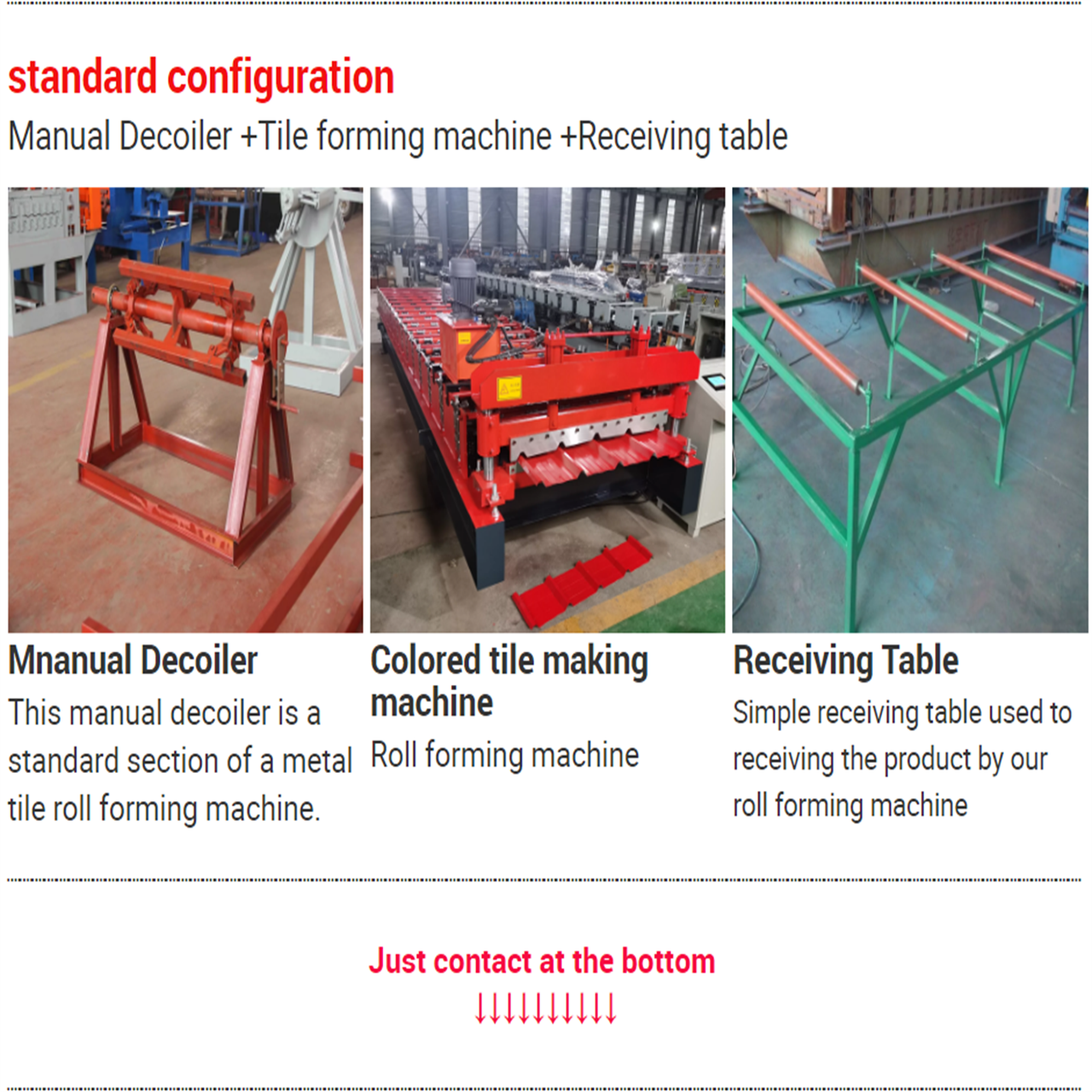
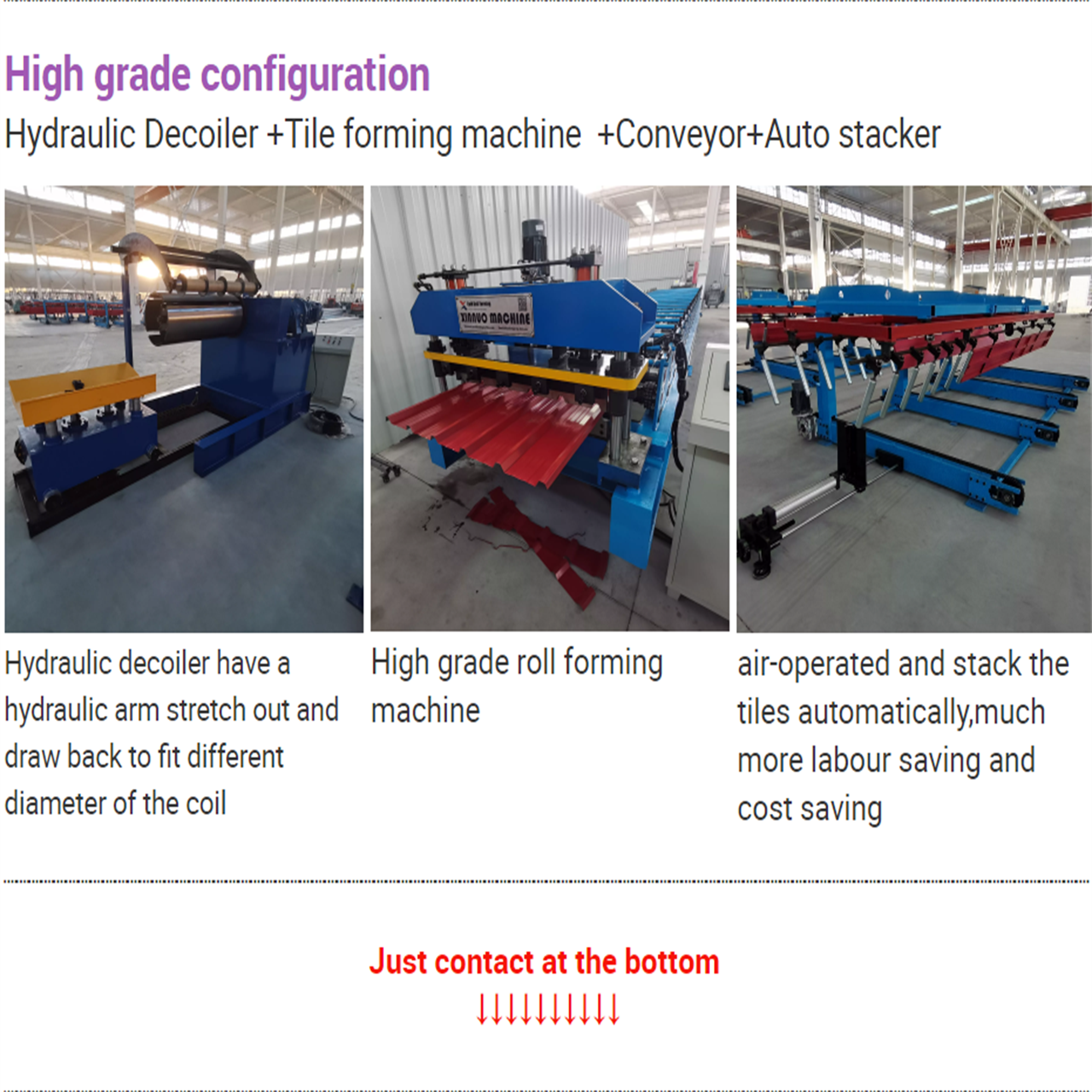
The whole equipment adopts a modular integrated design, consisting of six core modules: feeding system, double-layer forming host, bevel grinding and gluing mechanism, hot press forming mechanism, PLC control system and discharge conveying system. All modules work together to realize the full-process automatic processing of veneer from material preparation to forming.
During operation, the raw material veneer (or color steel coil) is accurately conveyed to the double-layer forming host through the feeding guide platform, and the upper and lower independent forming roller groups work synchronously — the upper roller group is responsible for panel forming or veneer bevel grinding, and the lower roller group synchronously completes the forming of the bottom support structure or veneer gluing and butting, realizing synchronous forming of double-layer panels without secondary processing. For veneer splicing needs, the equipment integrates an integrated bevel grinding, gluing and hot pressing system. It prevents veneer warping during bevel grinding through a warpage adjustment mechanism to ensure the bevel grinding surface is uniform and smooth; multiple groups of glue rollers apply glue accurately to fit the bevel grinding surface for uniform gluing; the hot press block array is accurately matched with the veneer length to continuously hot press the splicing joints, greatly improving the joint strength and solving the technical problems of easy cracking and unevenness of traditional splicing. Finally, the finished veneer forming processing is completed through fixed-length cutting and discharge conveying.
II. Core Performance and Product Advantages
1. High Efficiency and Capacity, Cost Optimization
Adopting two sets of upper and lower independent forming systems, it can produce two different specifications of plates at the same time, or double output of the same specification veneer. One equipment is equivalent to the production capacity of two single-layer equipment, and the production efficiency is increased by 50%-90% compared with traditional single-layer machines, greatly shortening the delivery cycle. The floor space of the equipment is only 1/2-1/3 of that of two single-layer machines, saving plant rent and infrastructure investment; the purchase cost is directly reduced by about 50% compared with two single-layer machines, and at the same time, 1-2 people can complete the whole process operation, saving 50% of labor cost, which can significantly reduce the comprehensive production cost in long-term use.
2. Precision Forming, Controllable Quality
The forming host adopts 45# steel quenched solid forming shaft with a diameter of up to 70-72mm. The pressure roller is treated with hard chrome plating, which is wear-resistant and durable, ensuring the forming precision can reach ±0.5mm; the bevel grinding mechanism is equipped with an angle adjustment dial and a front-back adjustment mechanism, which can accurately adjust the bevel grinding angle (10°-45°) and bevel grinding surface length (20-30mm). Cooperating with the warpage adjustment mechanism, it effectively avoids the warping problem of veneer during bevel grinding and ensures the bevel grinding surface is smooth and uniform. The hot press forming mechanism supports various heating methods such as electromagnetic heating and high-frequency heating, and the hot pressing temperature can be stably controlled at 100-120℃ to ensure the splicing joint strength meets the standard. The formed veneer has a flat appearance, uniform corrugation and no burrs, and its bearing capacity is increased by about 30% compared with traditional processing methods.
3. Intelligent and Convenient, Simple Operation
Equipped with a PLC programmable logic control system and a 5.7-inch touch screen, it supports parameter memory and fault self-diagnosis functions. The operation interface is simple and easy to understand, and can be quickly mastered without professional and technical personnel. The equipment supports quick mold change in 3-5 minutes, getting rid of the disadvantage of 1-2 hours of mold change and shutdown of traditional single-layer machines, realizing continuous production without interruption; it can flexibly adjust parameters such as forming speed (8-25m/min), hot pressing temperature and cutting length according to production needs, adapting to the processing needs of veneers with different thicknesses (0.2-4.0mm) and different widths (1000-1550mm), with strong versatility.
4. Stable and Durable, Convenient Maintenance
The main frame of the equipment is welded with 350H section steel, which has a stable structure and strong seismic resistance. The total weight can reach 3.2-5 tons, ensuring no deformation during long-term high-intensity operation; the transmission system adopts sprocket chain transmission (hydraulic motor transmission is optional), which runs stably with low noise and low failure rate. The equipment adopts a modular design, making mold replacement, mechanical debugging and daily maintenance simple and convenient. The wearing parts have strong versatility and low replacement cost. At the same time, it is equipped with a complete safety protection device to effectively ensure the personal safety of operators. The whole equipment is guaranteed for one year with timely after-sales response.
III. Core Technical Parameters
|
Parameter Name
|
Standard Configuration
|
Customizable Range
|
|
Processing Plate Type
|
Type 840, Type 900 (switchable)
|
Various color steel tiles, plywood veneers
|
|
Processing Thickness
|
0.3-0.8mm (color steel), 1.0-4.0mm (veneer)
|
0.2-4.0mm
|
|
Plate Feeding Width
|
1000mm
|
1000-1550mm
|
|
Forming Speed
|
8-10m/min
|
8-25m/min
|
|
Number of Forming Rows
|
11-22 rows
|
Adjustable according to plate type
|
|
Hot Press Temperature
|
115℃
|
100-120℃
|
|
Total Power
|
6-18.5KW
|
Adjustable according to configuration
|
|
Overall Dimensions
|
6500×1400×1500mm
|
6400-8500×1300-1450×950-1500mm
|
|
Equipment Weight
|
3.2-5 tons
|
Adjustable according to configuration
|
|
Control System
|
PLC Programmable Control (with touch screen)
|
Upgradable intelligent control system
|
IV. Applicable Scenarios and Application Fields
The equipment is suitable for processing a variety of raw materials, including color-coated steel plates, galvanized plates, eucalyptus veneers, etc., and is widely used in the following fields:
- Construction Field: Used for the production of roof tiles, wall tiles and enclosure structure plates of industrial plants, warehouses, gymnasiums, exhibition halls, villas and other buildings. It can process various decorative plates such as antique glazed tiles and corrugated plates, adapting to special scenarios such as landscape architecture and ancient building restoration.
- Plywood Manufacturing: Used for bevel grinding, splicing and hot press forming of plywood veneers, solving the problems of easy cracking of thin plate splicing and unevenness of thick plate splicing, and improving the overall strength and quality of plywood [9].
- Other Fields: Can be used for the forming and processing of HVAC system insulation panels, home appliance shell panels and lightweight plates in the transportation field, adapting to various customized production needs.
V. Product Positioning and Core Value
With “high efficiency, precision, energy saving and cost saving” as its core positioning, the double-layer veneer forming machine focuses on the needs of capacity improvement and cost optimization in the plate processing industry. It not only solves the pain points of low efficiency, large floor space and high cost of traditional single-layer equipment, but also makes up for the shortcomings of insufficient precision and complex operation of ordinary double-layer equipment. Whether it is the mass production of small and medium-sized processing plants or the efficient linkage of large production lines, the equipment can help users improve production efficiency, reduce comprehensive costs and enhance product competitiveness with its flexible configuration and stable performance, assisting enterprises in realizing large-scale and intelligent production transformation.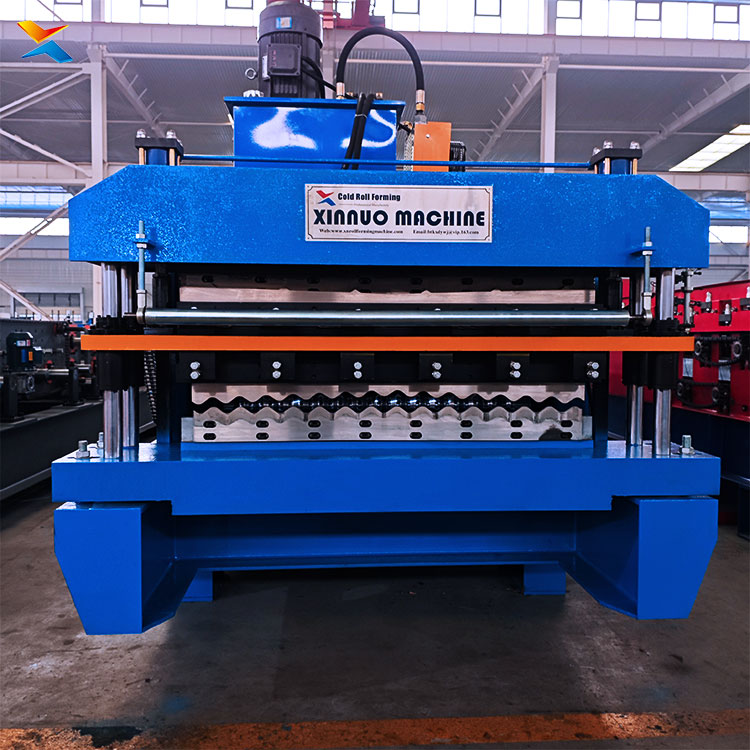

♦ COMPANY PROFILE:
Hebei Xinnuo Roll Forming Machine Co., Ltd., not only produce different types of professional roll forming machines, but also develop intelligent automatic roll forming production lines, C&Z shape purline machines, highway guardrail roll forming machine lines, sandwich panel production lines, decking forming machines, light keel machines, shutter slat door forming machines, downpipe machines, gutter machines, etc.
Advantages of Roll Forming A Metal Part
There are several advantages of using roll forming for your projects:
- The roll forming process allows operations such as punching, notching, and welding to be performed in-line. Labor cost and time for secondary operations are reduced or eliminated, reducing part costs.
- Roll form tooling allows for a high degree of flexibility. A single set of roll form tools will make almost any length of the same cross-section. Multiple sets of tools for varying length parts are not required.
- It can provide better dimensional control than other competing metal forming processes.
- Repeatability is inherent in the process, allowing easier assembly of roll formed parts into your finished product, and minimizing problems due to “standard” tolerance build up.
- Roll forming is typically a higher speed process.
- Roll forming offers customers a superior surface finish. This makes roll forming an excellent option for decorative stainless steel parts or for parts requiring a finish such as anodizing or powder coating. Also, texture or pattern can be rolled into the surface during forming.
- Roll forming utilizes material more efficiently than other competing processes.
- Roll formed shapes can be developed with thinner walls than competing processes
Roll forming is a continuous process which converts sheet metal into an engineered shape using consecutive sets of mated rolls, each of which makes only incremental changes in the form. The sum of these small changes in form is a complex profile.