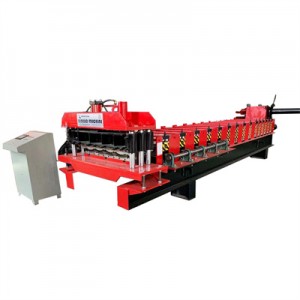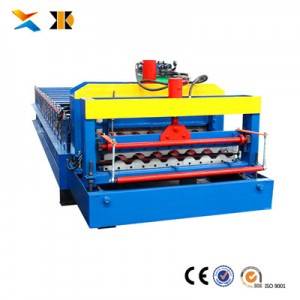


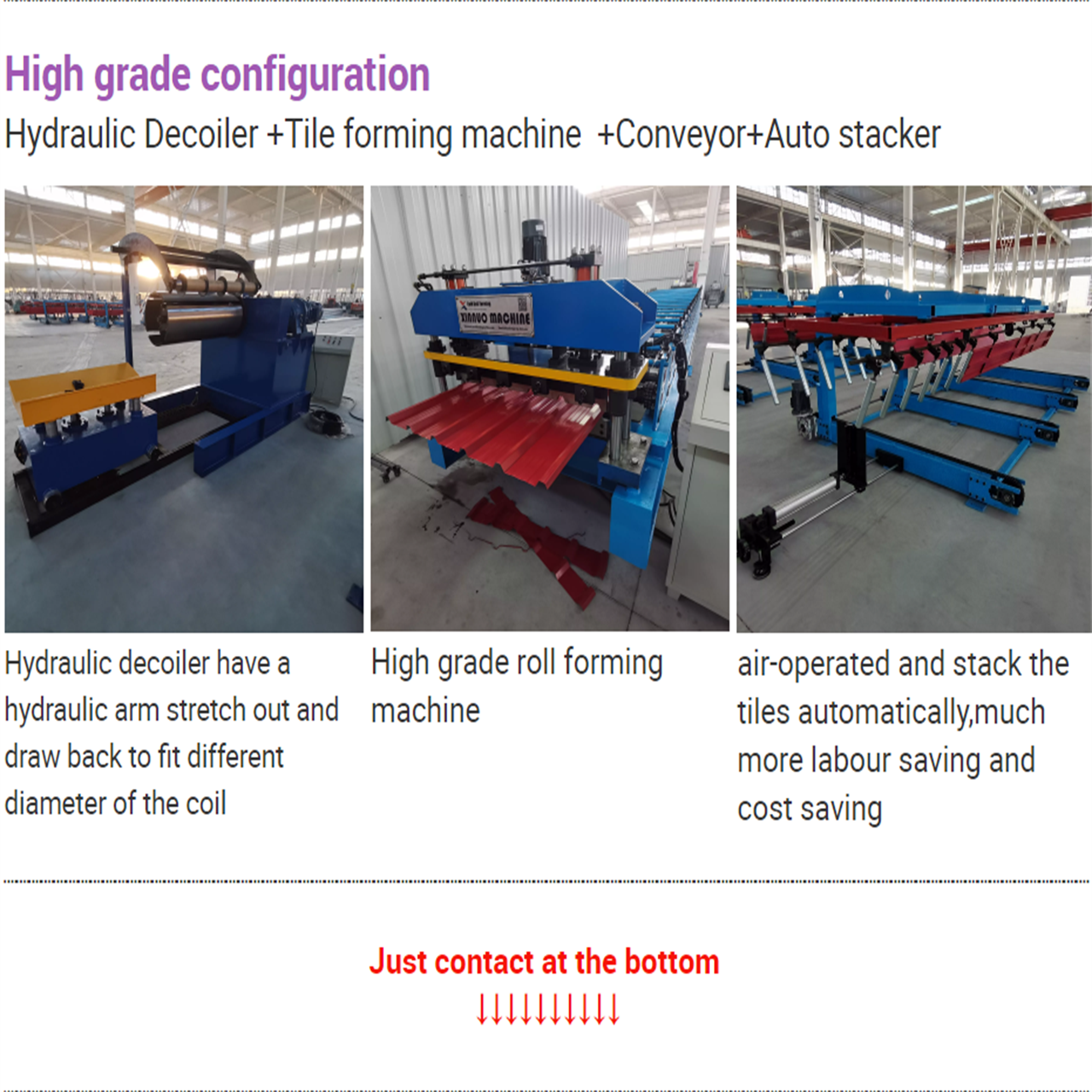
In the era of intelligent and green manufacturing, our glazed tile forming machine stands out as a cutting-edge equipment that integrates intelligence, environmental protection and versatility. It is not just a production tool, but a comprehensive solution to help glazed tile manufacturers upgrade their production mode, improve product added value and realize green and sustainable development.
Different from conventional forming machines, this equipment is equipped with an upgraded intelligent PLC control system, which can realize real-time monitoring and automatic adjustment of the production process. It can automatically detect abnormalities such as raw material shortage, mold deviation and glazing unevenness, and issue an alarm and stop operation in time to avoid waste of raw materials and damage to equipment. The intelligent system also supports remote operation and parameter adjustment, allowing operators to manage the production line anytime and anywhere, greatly improving the convenience of operation.
In terms of environmental protection, the machine has been comprehensively optimized. The improved dust removal system can effectively collect dust generated during the production process, reducing air pollution and protecting the health of operators. The glazing recycling system can collect the excess glaze during the glazing process, filter and reuse it, which not only reduces the waste of glaze materials but also lowers the production cost. In addition, the machine adopts an energy-saving motor with low noise and low power consumption, which fully complies with the global environmental protection and energy-saving standards.
With strong versatility, this glazed tile forming machine can be quickly adjusted to produce various types of glazed tiles, including curved glazed tiles, flat glazed tiles, antique glazed tiles and colored glazed tiles, which can meet the diverse needs of different regions and architectural styles. The detachable and replaceable mold design makes the replacement of tile types more convenient and efficient, reducing the downtime caused by mold replacement and improving the overall production efficiency.
Whether it is for large-scale industrial production or customized small-batch production, this glazed tile forming machine can perfectly adapt to the demand. It combines advanced technology, humanized design and environmental protection concepts, helping manufacturers gain an advantage in the fierce market competition and promote the high-quality development of the glazed tile industry.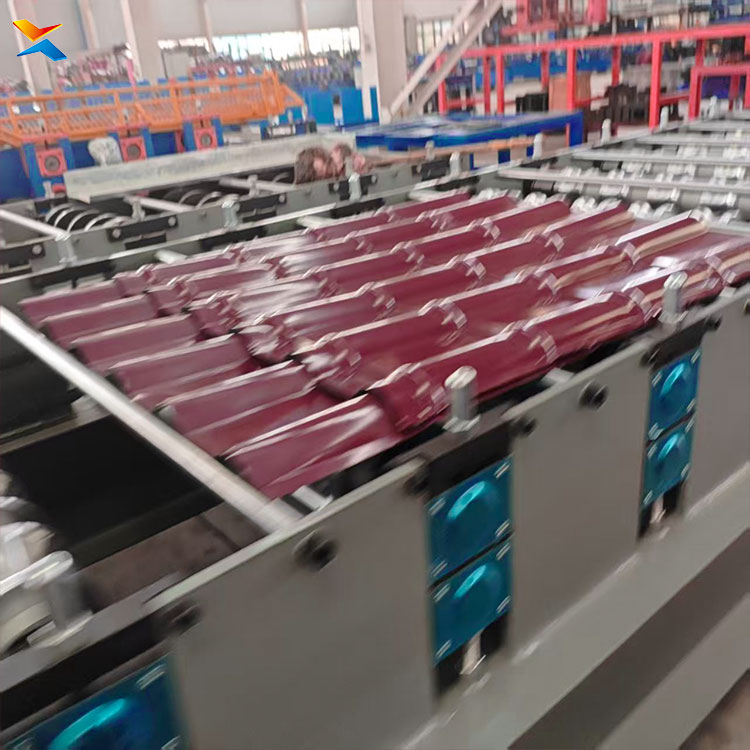


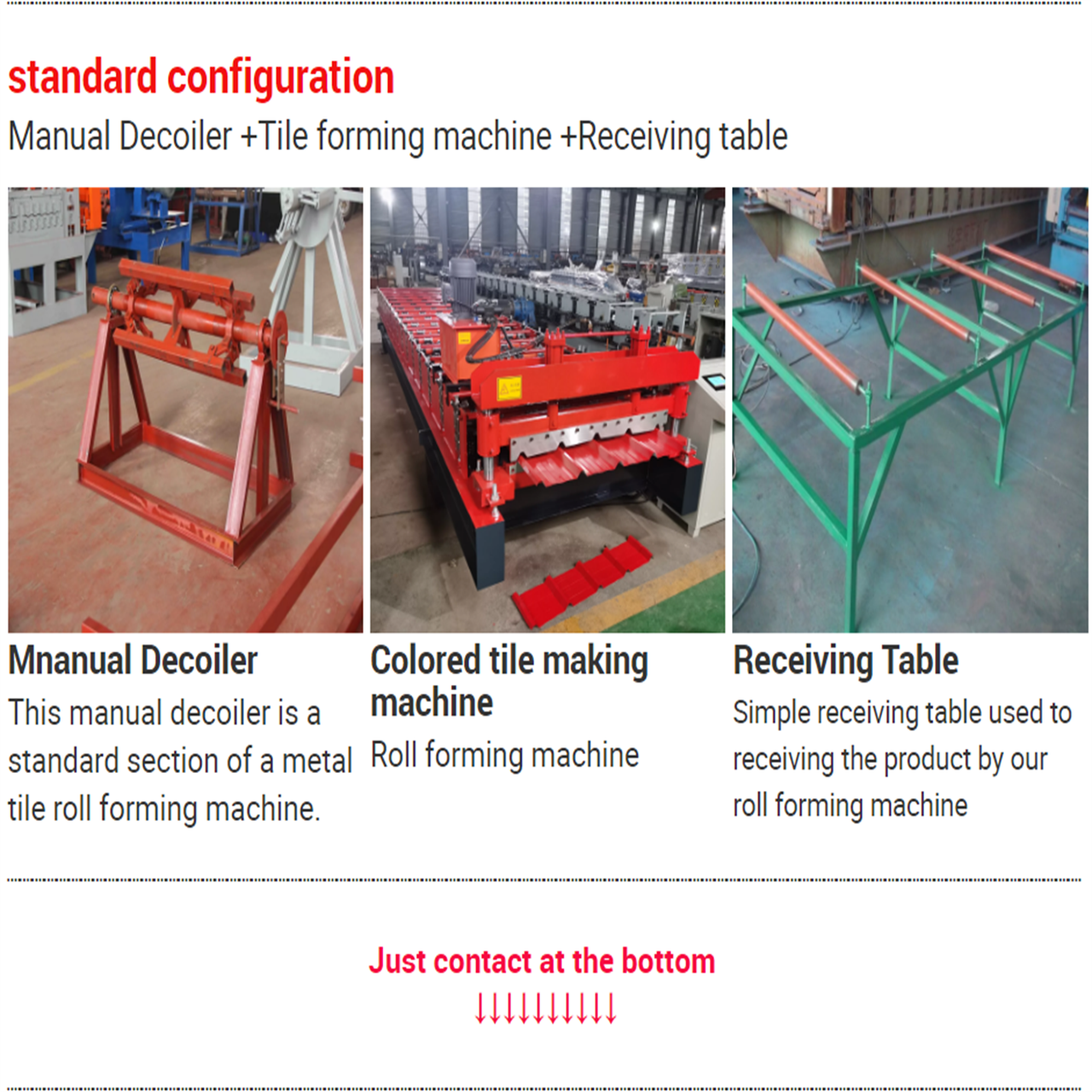
♦ COMPANY PROFILE:
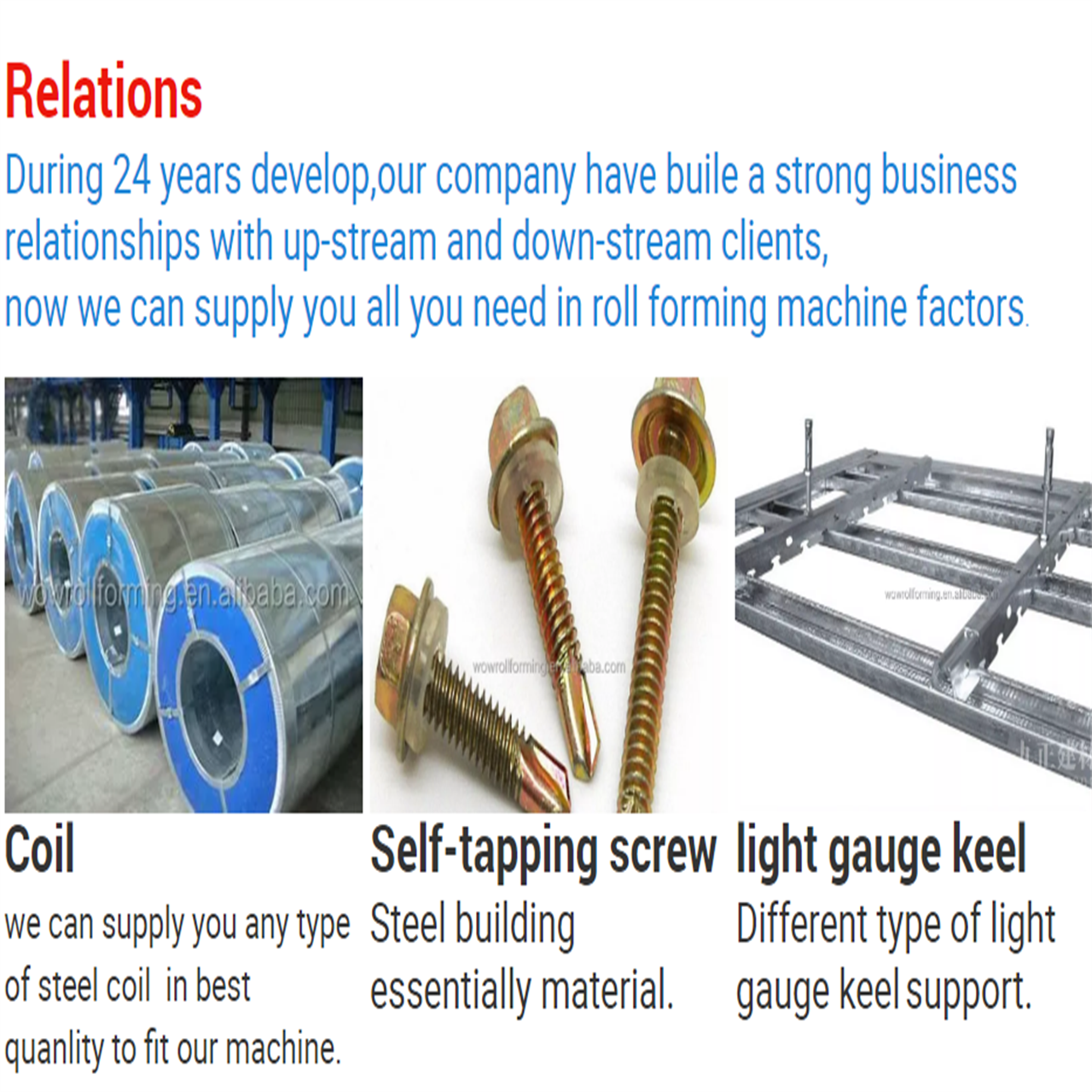
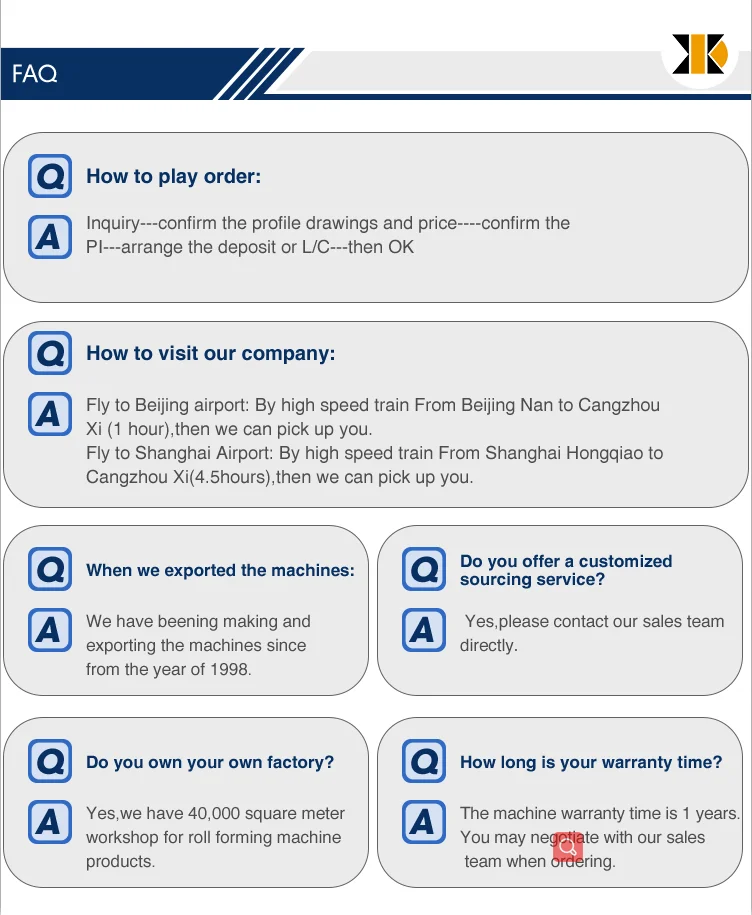
Hebei Xinnuo Roll Forming Machine Co., Ltd., not only produce different types of professional roll forming machines, but also develop intelligent automatic roll forming production lines, C&Z shape purline machines, highway guardrail roll forming machine lines, sandwich panel production lines, decking forming machines, light keel machines, shutter slat door forming machines, downpipe machines, gutter machines, etc.
Advantages of Roll Forming A Metal Part
There are several advantages of using roll forming for your projects:
- The roll forming process allows operations such as punching, notching, and welding to be performed in-line. Labor cost and time for secondary operations are reduced or eliminated, reducing part costs.
- Roll form tooling allows for a high degree of flexibility. A single set of roll form tools will make almost any length of the same cross-section. Multiple sets of tools for varying length parts are not required.
- It can provide better dimensional control than other competing metal forming processes.
- Repeatability is inherent in the process, allowing easier assembly of roll formed parts into your finished product, and minimizing problems due to “standard” tolerance build up.
- Roll forming is typically a higher speed process.
- Roll forming offers customers a superior surface finish. This makes roll forming an excellent option for decorative stainless steel parts or for parts requiring a finish such as anodizing or powder coating. Also, texture or pattern can be rolled into the surface during forming.
- Roll forming utilizes material more efficiently than other competing processes.
- Roll formed shapes can be developed with thinner walls than competing processes
Roll forming is a continuous process which converts sheet metal into an engineered shape using consecutive sets of mated rolls, each of which makes only incremental changes in the form. The sum of these small changes in form is a complex profile.