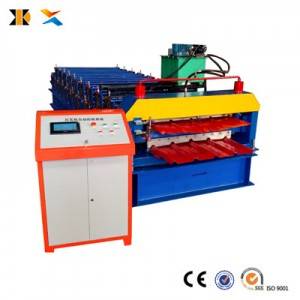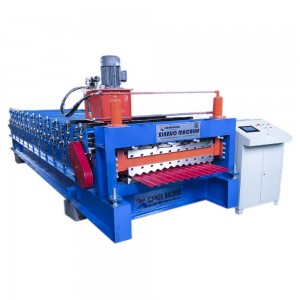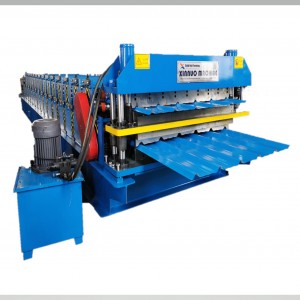

Double Layer Single Sheet Forming Machine Details
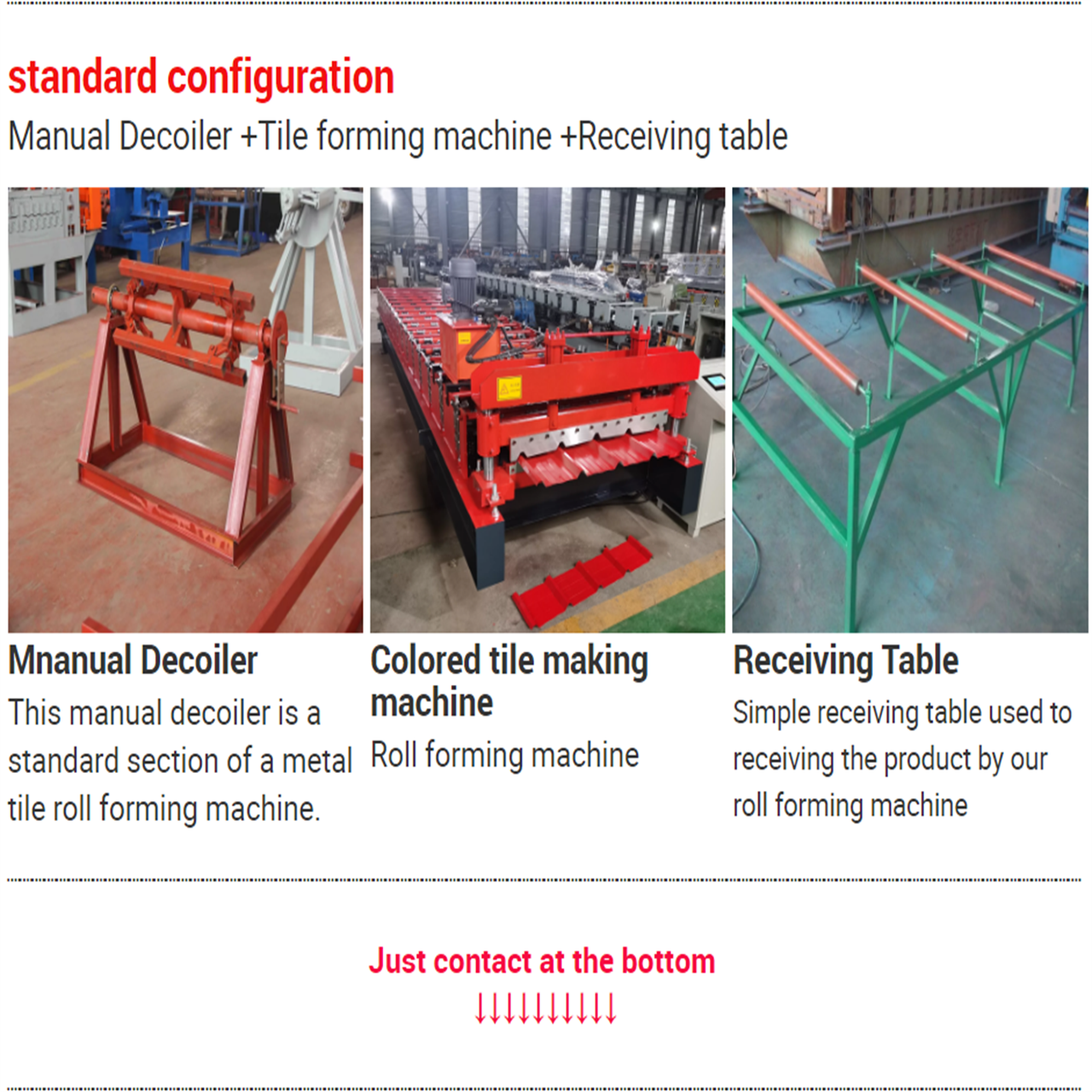
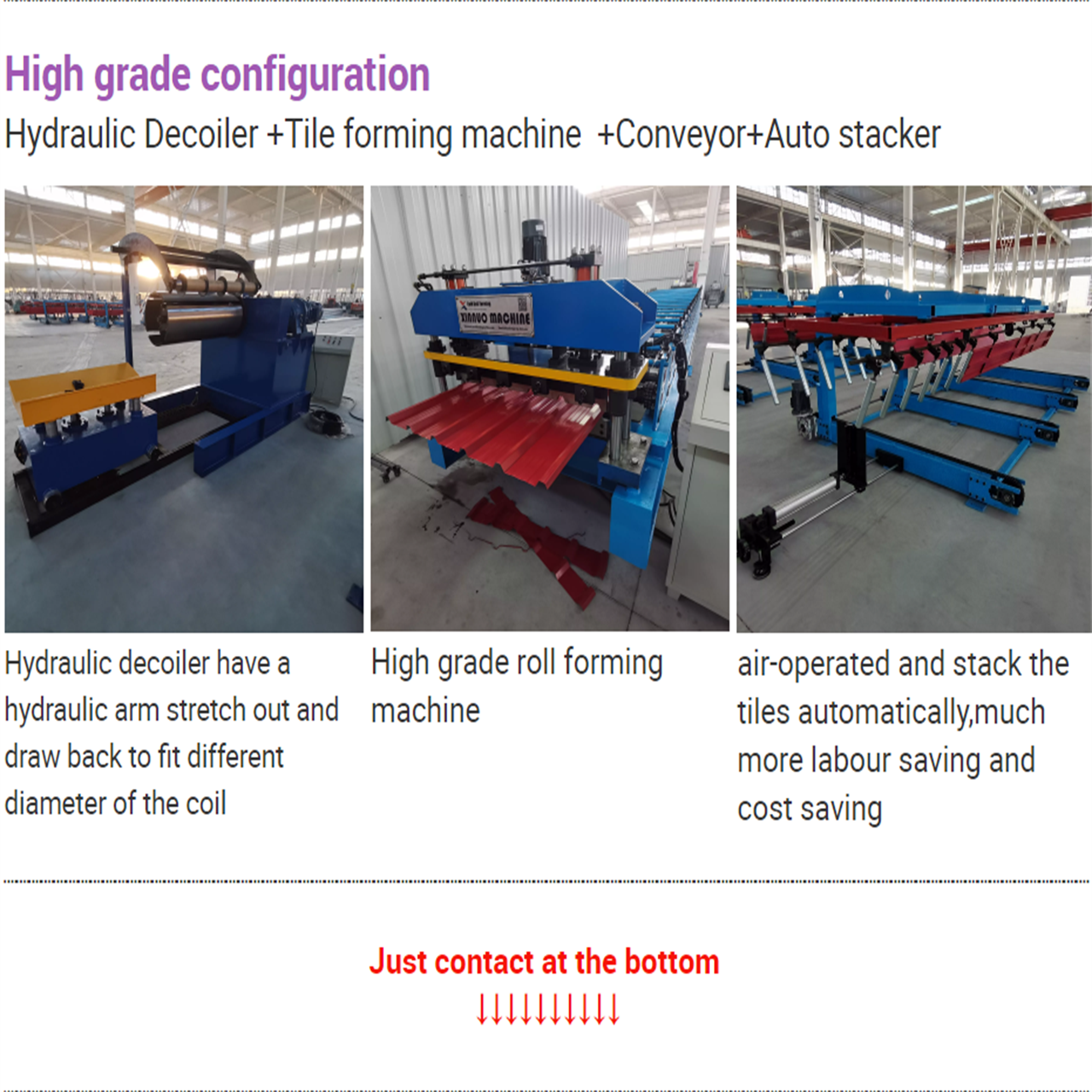
The Double Layer Single Sheet Forming Machine is an advanced, automated cold roll forming equipment engineered to deliver dual-profile production in a single, streamlined line. Unlike traditional single-layer machines that require separate setups for different profiles, this equipment combines all essential production processes into one unit, enabling continuous and efficient manufacturing of two distinct metal profiles—all while optimizing space usage and reducing operational costs.
Outstanding Advantages: Featuring two independent, dedicated forming stations, this machine offers flexible production options: it can manufacture two different profiles (e.g., trapezoidal roof panels, corrugated wall panels) at the same time or switch between single-profile production as needed, slashing workshop space requirements by 50% compared to using two separate machines. The intelligent PLC control system with a user-friendly touch screen allows operators to set production parameters (length, speed, quantity) with ease, achieving full automation that reduces labor intensity and eliminates human-induced errors. Crafted from high-quality alloy steel, the forming rollers undergo precision machining and heat treatment, ensuring superior forming accuracy (tolerance ≤±0.1mm), flawless surface finishes, and burr-free cutting edges.
Material Compatibility & Technical Details: This versatile machine works seamlessly with a range of metal materials, including galvanized steel, color-coated steel, and aluminum sheets. It accommodates material thicknesses from 0.3mm to 0.8mm, with customization available to extend up to 1.2mm for heavier-duty applications. The forming speed is adjustable between 8-12m/min, and the standard voltage is 380V 3P 50Hz—customizable to match regional electrical standards worldwide. Equipped with a high-efficiency hydraulic cutting system, it ensures precise fixed-length cutting, delivering clean, uniform cuts that require no additional finishing.
Practical Applications: This machine is an ideal choice for a wide range of construction and manufacturing scenarios, including industrial workshops, warehouses, commercial complexes, residential buildings, steel structure projects, and prefabricated housing. It is specifically designed to produce high-quality roof panels, wall cladding, and other metal construction components, catering to the demands of modern, efficient building projects.
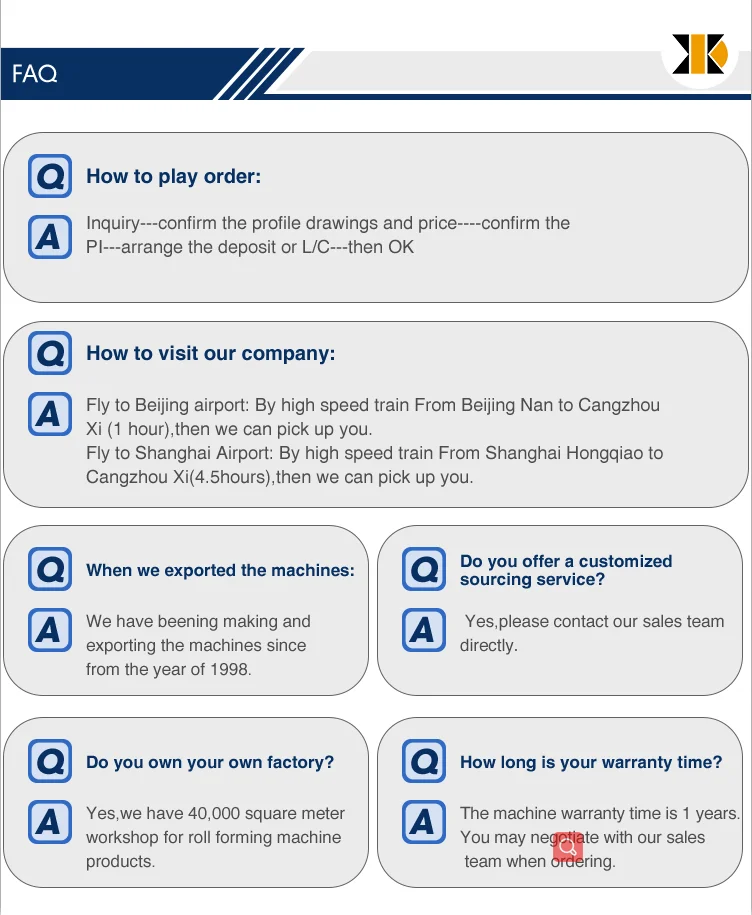
Quality Commitment & After-Sales Support: Fully certified by CE and ISO9001, every machine undergoes rigorous pre-delivery testing—including 72 hours of continuous operation—to ensure stable performance and reliability. We provide a 1-year comprehensive warranty for the entire machine, along with lifelong maintenance services. Our professional technical team offers 24/7 online support, on-site installation guidance, operator training, and prompt supply of spare parts, ensuring minimal downtime and maximum productivity for our customers.
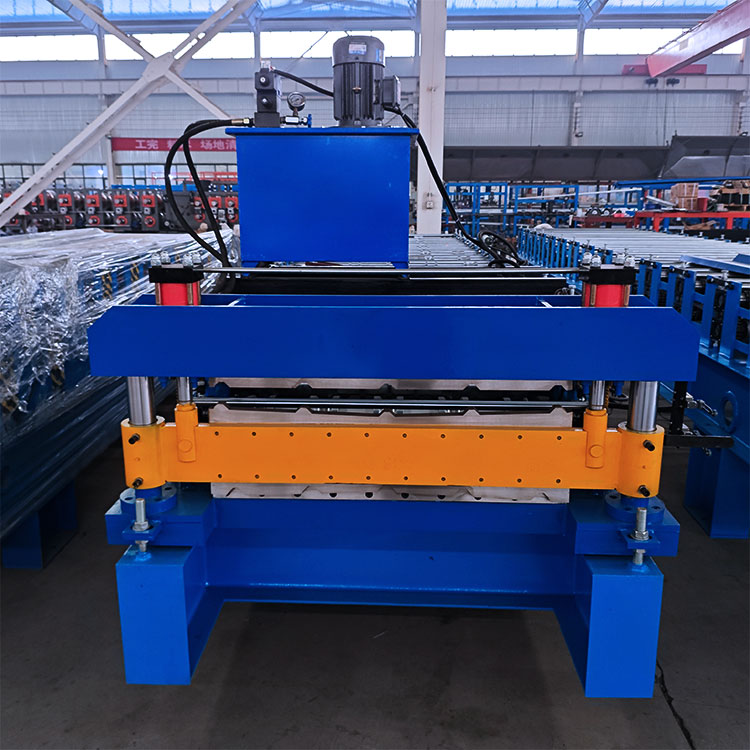
♦ COMPANY PROFILE:
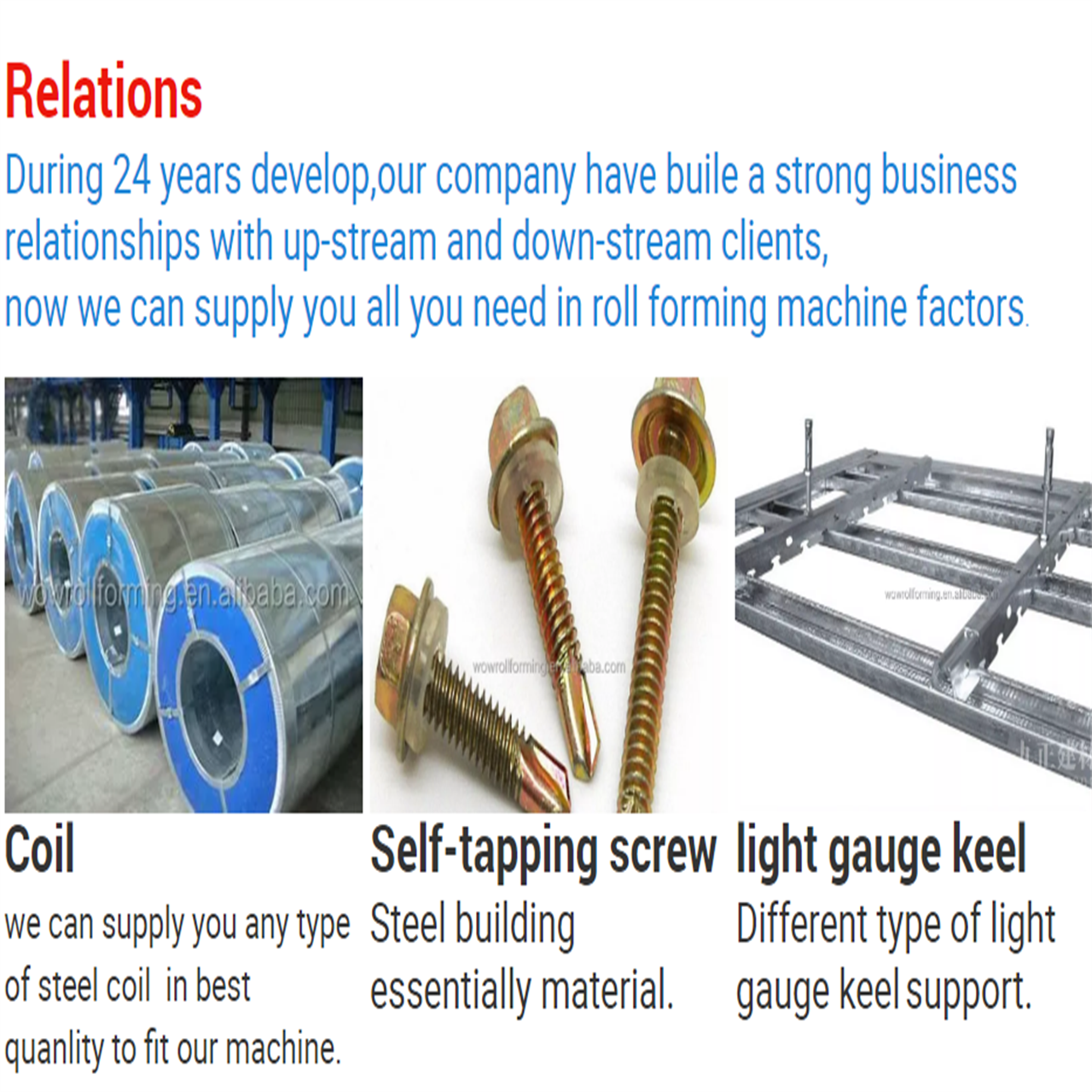
Hebei Xinnuo Roll Forming Machine Co., Ltd., not only produce different types of professional roll forming machines, but also develop intelligent automatic roll forming production lines, C&Z shape purline machines, highway guardrail roll forming machine lines, sandwich panel production lines, decking forming machines, light keel machines, shutter slat door forming machines, downpipe machines, gutter machines, etc.
Advantages of Roll Forming A Metal Part
There are several advantages of using roll forming for your projects:
- The roll forming process allows operations such as punching, notching, and welding to be performed in-line. Labor cost and time for secondary operations are reduced or eliminated, reducing part costs.
- Roll form tooling allows for a high degree of flexibility. A single set of roll form tools will make almost any length of the same cross-section. Multiple sets of tools for varying length parts are not required.
- It can provide better dimensional control than other competing metal forming processes.
- Repeatability is inherent in the process, allowing easier assembly of roll formed parts into your finished product, and minimizing problems due to “standard” tolerance build up.
- Roll forming is typically a higher speed process.
- Roll forming offers customers a superior surface finish. This makes roll forming an excellent option for decorative stainless steel parts or for parts requiring a finish such as anodizing or powder coating. Also, texture or pattern can be rolled into the surface during forming.
- Roll forming utilizes material more efficiently than other competing processes.
- Roll formed shapes can be developed with thinner walls than competing processes
Roll forming is a continuous process which converts sheet metal into an engineered shape using consecutive sets of mated rolls, each of which makes only incremental changes in the form. The sum of these small changes in form is a complex profile.