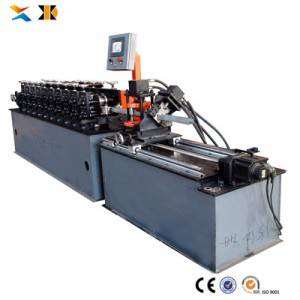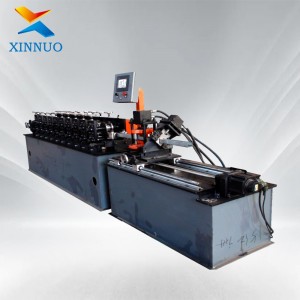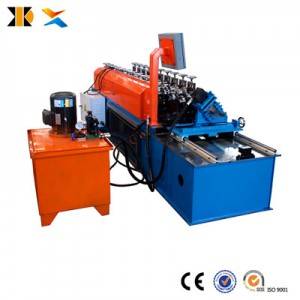

Keel Machine Product Description
Keel Machine is a professional cold-forming equipment specifically designed for processing various metal coils into high-quality building keels, which serve as the essential “skeleton” for ceilings, partition walls, and prefabricated buildings in both residential and commercial construction projects. Unlike traditional manual processing or high-temperature forming methods, this advanced keel machine adopts mature cold roll forming technology, ensuring that the processed keels maintain excellent structural integrity, surface smoothness, and dimensional accuracy, while also avoiding material deformation caused by high heat. It is widely applied in a variety of fields, including building construction, building materials manufacturing, prefabricated house production, interior decoration engineering, and light steel villa construction, bringing remarkable high efficiency, stable performance, and cost-saving effects to your production line, and effectively solving the pain points of low efficiency, poor consistency, and high labor costs in traditional keel processing.
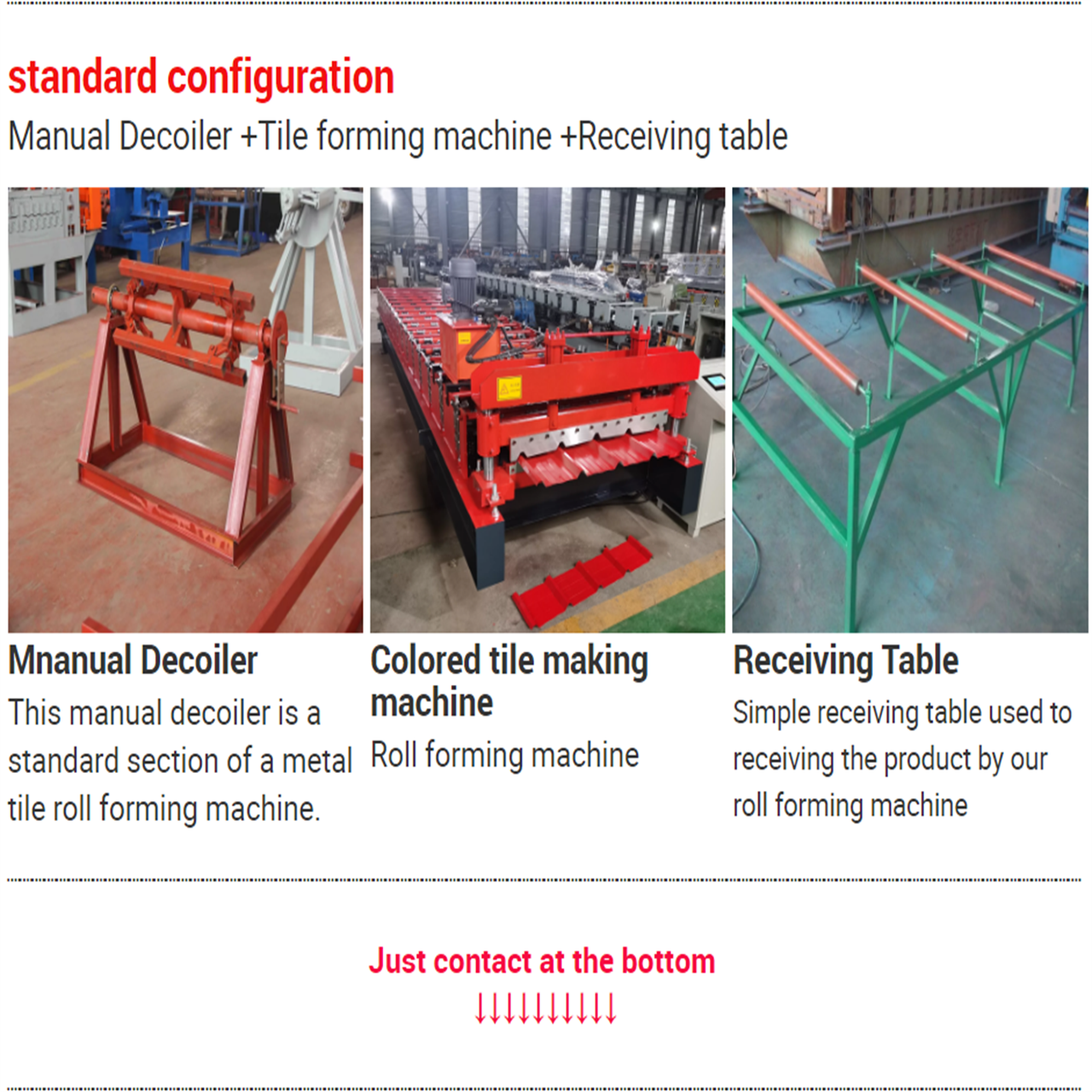
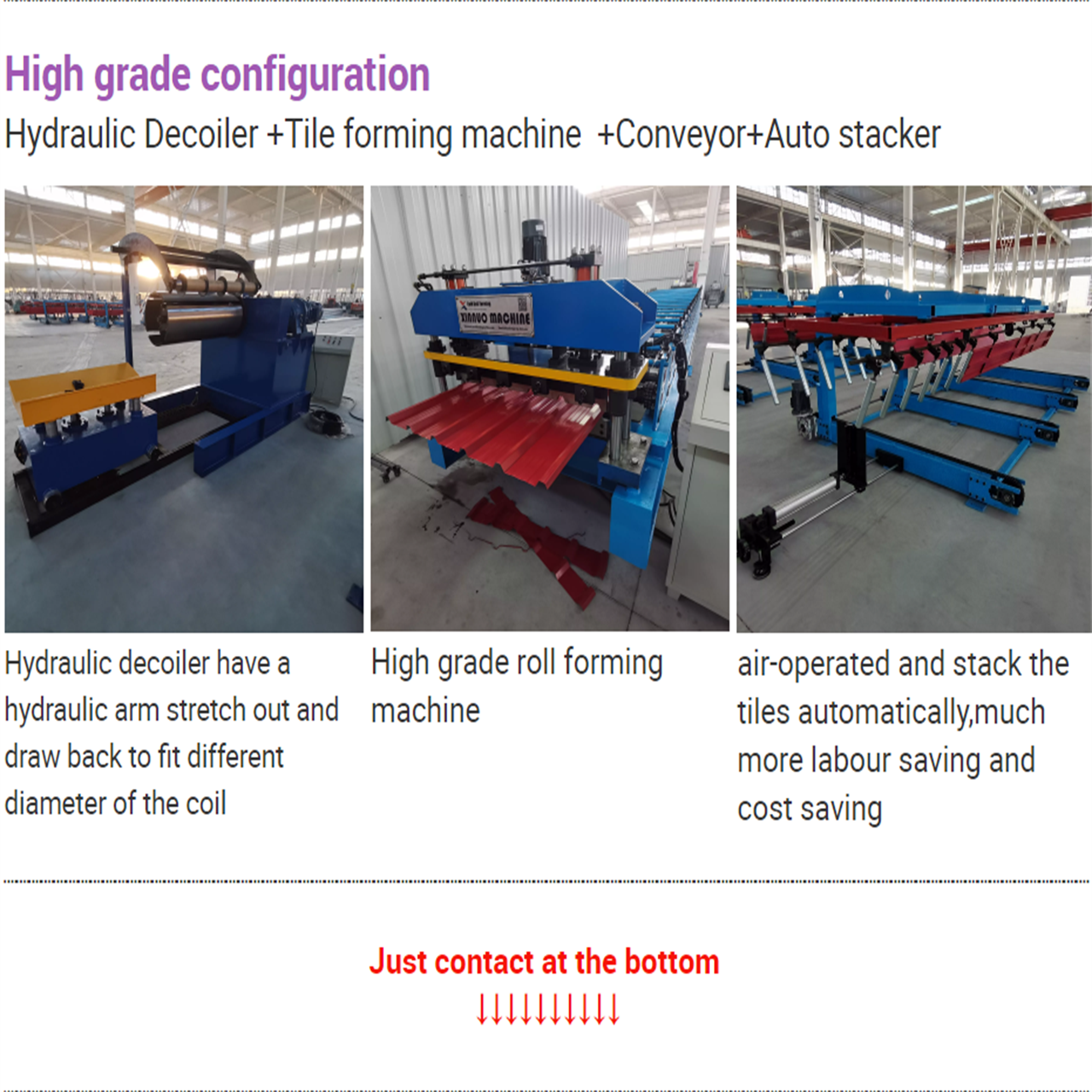
As a core equipment in the building material processing industry, this keel machine is engineered to handle a wide range of metal raw materials, such as galvanized steel coils, stainless steel coils, aluminum coils, and colored steel coils, with a thickness range of 0.2mm to 2.0mm, which can be flexibly adjusted according to different construction requirements. The whole machine integrates multiple functions into one, including automatic uncoiling, precision guiding and leveling, multi-pass progressive cold forming, fixed-length cutting, and automatic finished product receiving, realizing a fully automated production process that requires no manual intervention in the middle. This not only greatly improves production efficiency—with a forming speed of 15 to 50 meters per minute, which is 5 to 8 times higher than traditional manual processing—but also ensures that each keel has consistent dimensions, uniform cross-section, and strong load-bearing capacity, fully complying with international and national building material quality standards.
Equipped with a high-performance PLC intelligent control system and a user-friendly touch screen operation interface, the keel machine is easy to operate and learn, even for new operators. The control system can accurately set and adjust key parameters such as forming speed, cutting length, and processing quantity, and has a fault self-diagnosis function, which can quickly alert and locate equipment faults, reducing maintenance time and costs. The main frame of the machine is made of high-quality thickened square steel through integral welding, which has strong stability and load-bearing capacity, and can withstand long-term high-intensity continuous production. The forming rollers are made of GCR15 quenched steel, which has high hardness, wear resistance, and corrosion resistance, ensuring a long service life of more than 10 years.
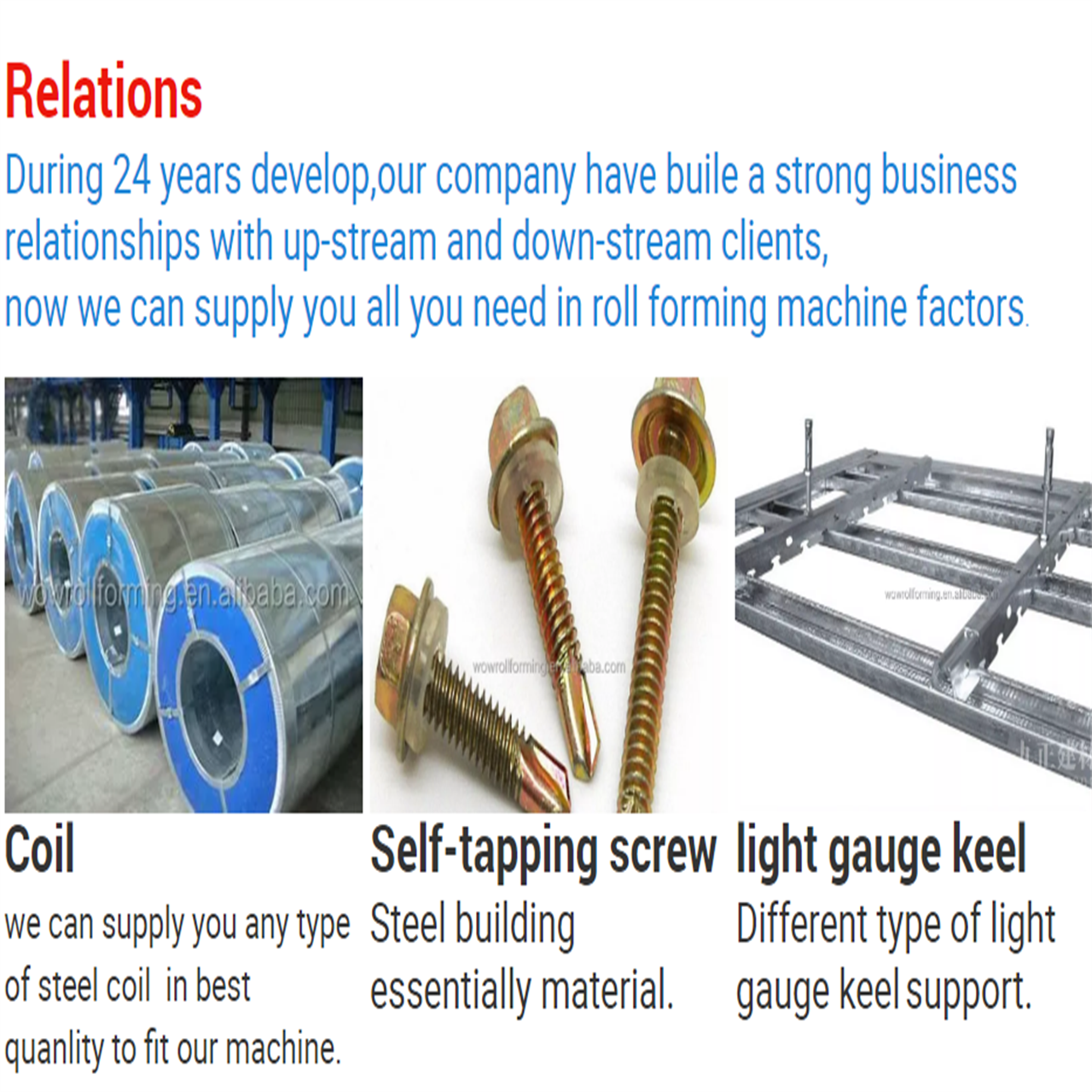
In addition to its high efficiency and stability, this keel machine also features strong versatility and customization capabilities. By replacing different sets of molds, it can produce various types of building keels, including C-type, U-type, T-type, L-type, omega-type, and furring channel keels, which are widely used in different scenarios such as suspended ceilings, interior partition walls, exterior wall cladding, light steel villa frames, and prefabricated building components. We also provide customized services according to customer needs, including adjusting the keel’s thickness, width, cross-sectional shape, and processing speed, to perfectly match the specific requirements of different construction projects and markets.
With the concept of energy conservation and environmental protection, this keel machine adopts an advanced servo drive system, which saves 30% to 40% of energy compared with traditional hydraulic drive systems, effectively reducing production costs. At the same time, the fixed-length cutting design ensures that the material utilization rate reaches 99% or more, almost no leftover materials are generated, reducing resource waste and conforming to the modern green production concept. Whether you are a large-scale building material manufacturer, a medium-sized processing factory, or a construction enterprise that needs on-site processing, this keel machine can provide you with a reliable, efficient, and cost-effective production solution, helping you improve product quality, enhance market competitiveness, and achieve sustainable development.
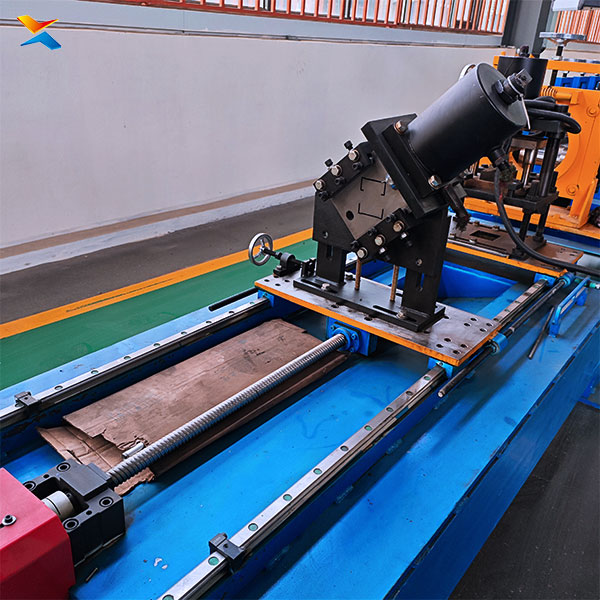
♦ COMPANY PROFILE:
Hebei Xinnuo Roll Forming Machine Co., Ltd., not only produce different types of professional roll forming machines, but also develop intelligent automatic roll forming production lines, C&Z shape purline machines, highway guardrail roll forming machine lines, sandwich panel production lines, decking forming machines, light keel machines, shutter slat door forming machines, downpipe machines, gutter machines, etc.
Advantages of Roll Forming A Metal Part
There are several advantages of using roll forming for your projects:
- The roll forming process allows operations such as punching, notching, and welding to be performed in-line. Labor cost and time for secondary operations are reduced or eliminated, reducing part costs.
- Roll form tooling allows for a high degree of flexibility. A single set of roll form tools will make almost any length of the same cross-section. Multiple sets of tools for varying length parts are not required.
- It can provide better dimensional control than other competing metal forming processes.
- Repeatability is inherent in the process, allowing easier assembly of roll formed parts into your finished product, and minimizing problems due to “standard” tolerance build up.
- Roll forming is typically a higher speed process.
- Roll forming offers customers a superior surface finish. This makes roll forming an excellent option for decorative stainless steel parts or for parts requiring a finish such as anodizing or powder coating. Also, texture or pattern can be rolled into the surface during forming.
- Roll forming utilizes material more efficiently than other competing processes.
- Roll formed shapes can be developed with thinner walls than competing processes
Roll forming is a continuous process which converts sheet metal into an engineered shape using consecutive sets of mated rolls, each of which makes only incremental changes in the form. The sum of these small changes in form is a complex profile.