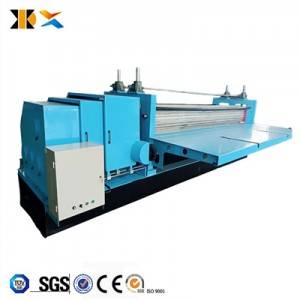


Arc Single Board Forming Machine
The Arc Single Board Forming Machine is a fully automatic, industrial-grade processing device specially designed for the efficient and precision forming of various sheet materials into curved single boards. It combines a robust mechanical structure, intelligent control system, and optimized molding technology to deliver stable, high-quality processing performance that far exceeds traditional manual and semi-automatic equipment.
The machine adopts a precision PLC control system, allowing operators to easily adjust forming radius, feeding speed, and pressure to ensure high consistency and accuracy for each finished product. The flexible pressing structure effectively balances internal material stress, preventing common defects such as springback, cracking, wrinkling, and surface damage. For large-size and long panels, it supports seamless one-piece forming, avoiding splicing gaps and improving overall product strength and appearance.
This forming machine is compatible with an extensive range of materials, including wood veneer, MDF, aluminum veneer, ecological board, resin board, ceramic insulation board, and other decorative and structural panels. With quick-change molds and forming rolls, it can adapt to different radii and specifications, making it ideal for both mass production and customized processing.
Built with a heavy-duty welded frame, the machine features high rigidity, stable operation, low noise, and long service life, supporting continuous long-hour production. It is equipped with complete safety protection devices, including emergency stop, limit protection, and overload protection, ensuring safe and reliable operation. Energy-saving components reduce power consumption and production costs, while stable performance lowers defective rates and labor input.
Widely applied in customized furniture, architectural decoration, curtain wall manufacturing, interior doors, shipbuilding, and industrial component processing, the Arc Single Board Forming Machine provides a cost-effective automated solution for factories to upgrade production lines, improve product quality, and enhance global market competitiveness.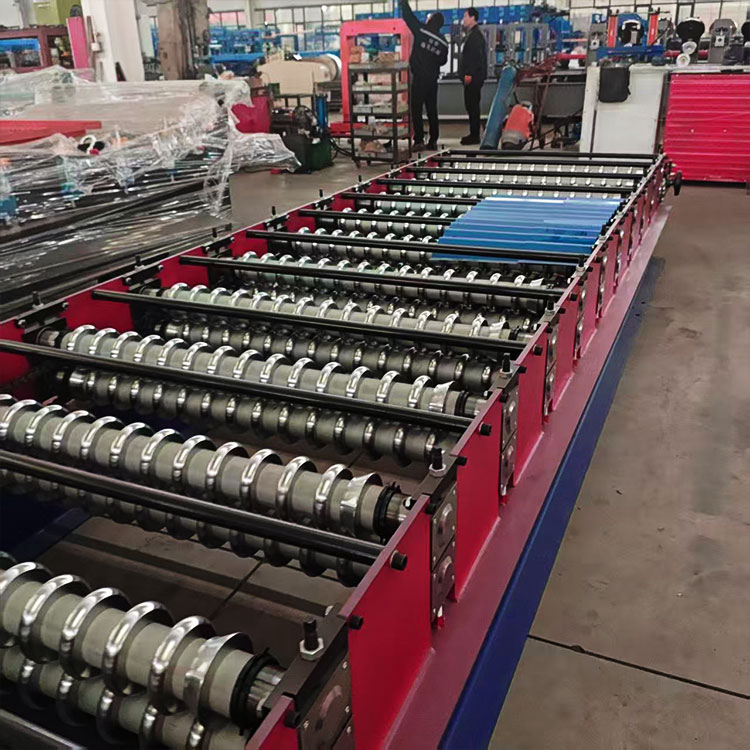



♦ COMPANY PROFILE:
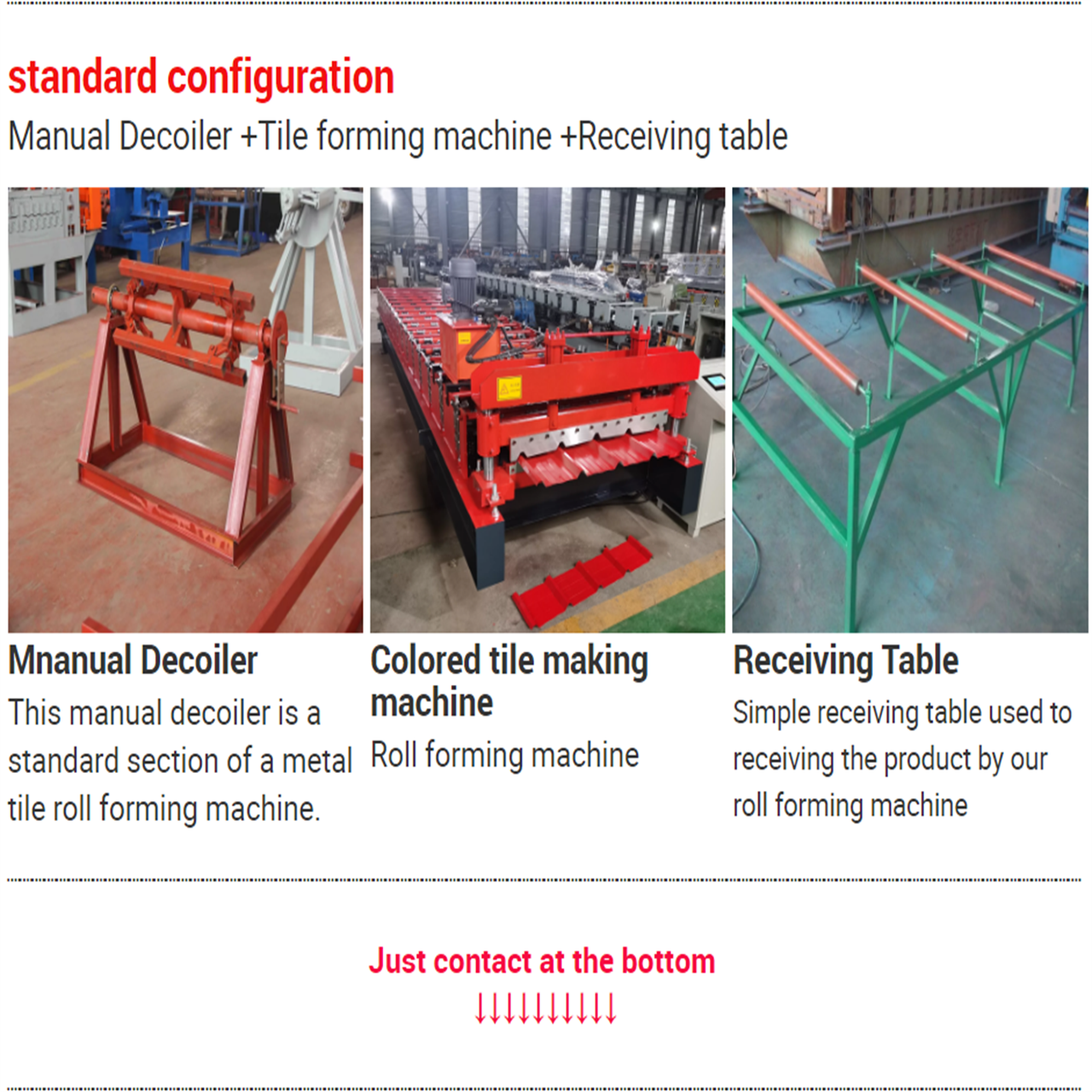
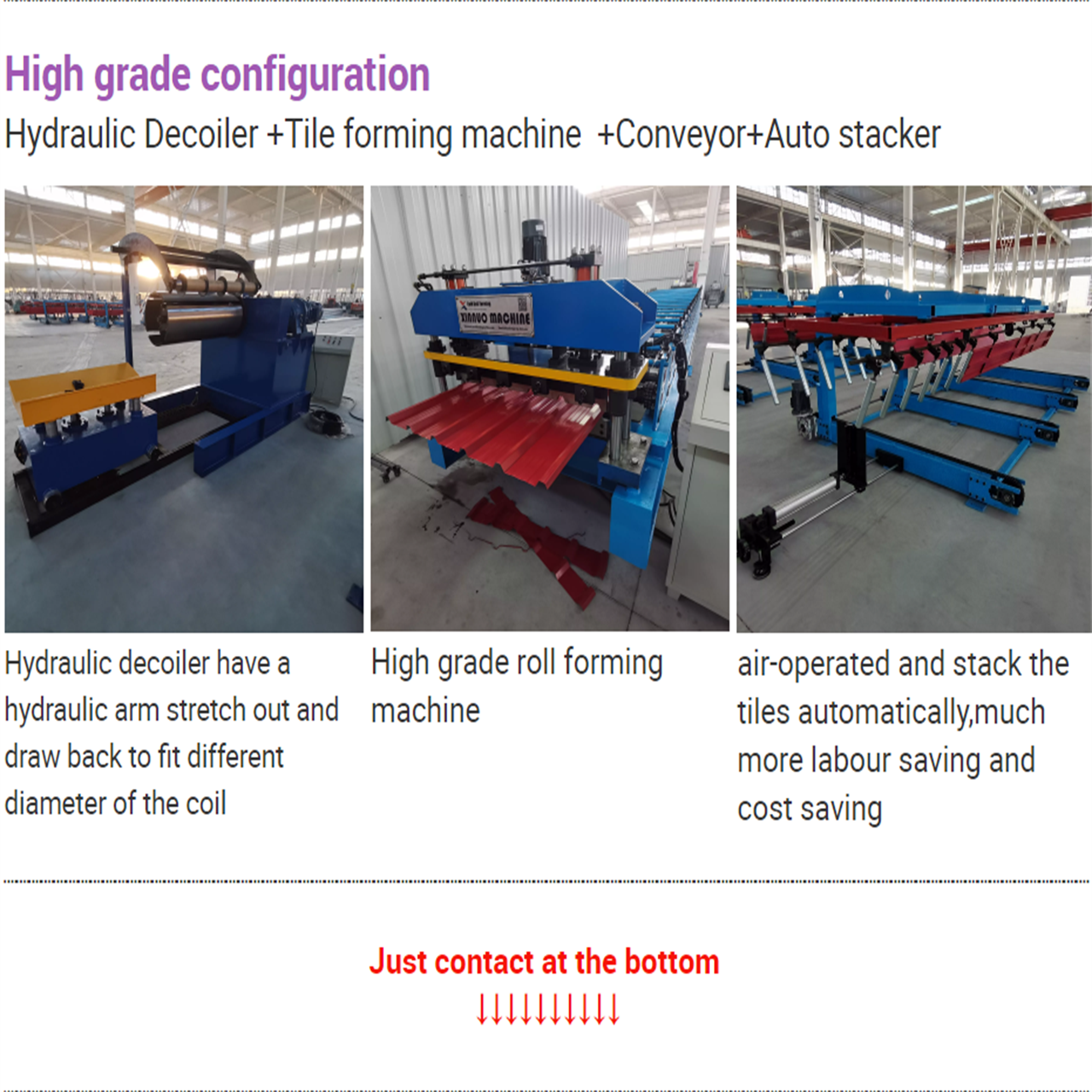
Hebei Xinnuo Roll Forming Machine Co., Ltd., not only produce different types of professional roll forming machines, but also develop intelligent automatic roll forming production lines, C&Z shape purline machines, highway guardrail roll forming machine lines, sandwich panel production lines, decking forming machines, light keel machines, shutter slat door forming machines, downpipe machines, gutter machines, etc.
Advantages of Roll Forming A Metal Part
There are several advantages of using roll forming for your projects:
- The roll forming process allows operations such as punching, notching, and welding to be performed in-line. Labor cost and time for secondary operations are reduced or eliminated, reducing part costs.
- Roll form tooling allows for a high degree of flexibility. A single set of roll form tools will make almost any length of the same cross-section. Multiple sets of tools for varying length parts are not required.
- It can provide better dimensional control than other competing metal forming processes.
- Repeatability is inherent in the process, allowing easier assembly of roll formed parts into your finished product, and minimizing problems due to “standard” tolerance build up.
- Roll forming is typically a higher speed process.
- Roll forming offers customers a superior surface finish. This makes roll forming an excellent option for decorative stainless steel parts or for parts requiring a finish such as anodizing or powder coating. Also, texture or pattern can be rolled into the surface during forming.
- Roll forming utilizes material more efficiently than other competing processes.
- Roll formed shapes can be developed with thinner walls than competing processes
Roll forming is a continuous process which converts sheet metal into an engineered shape using consecutive sets of mated rolls, each of which makes only incremental changes in the form. The sum of these small changes in form is a complex profile.