


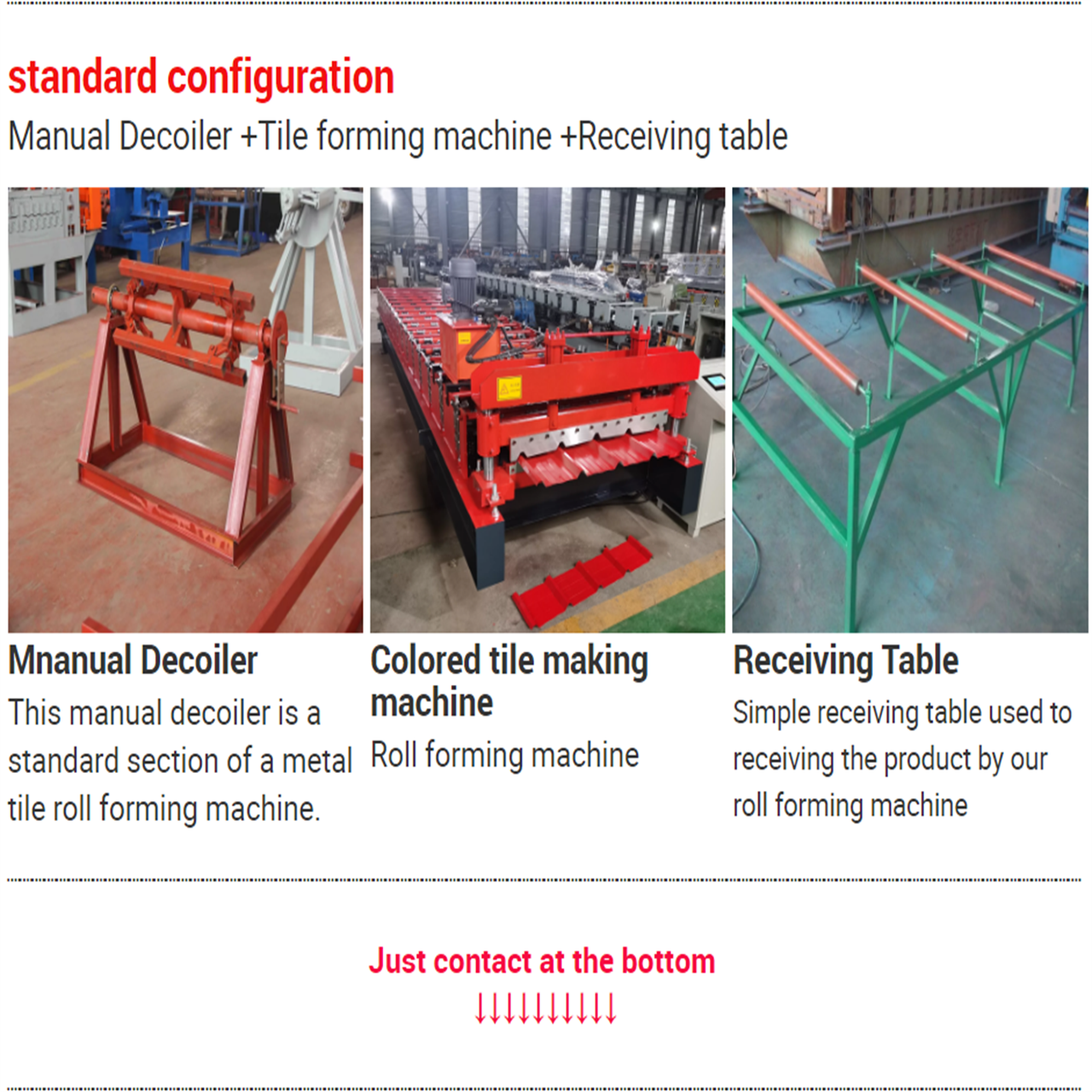
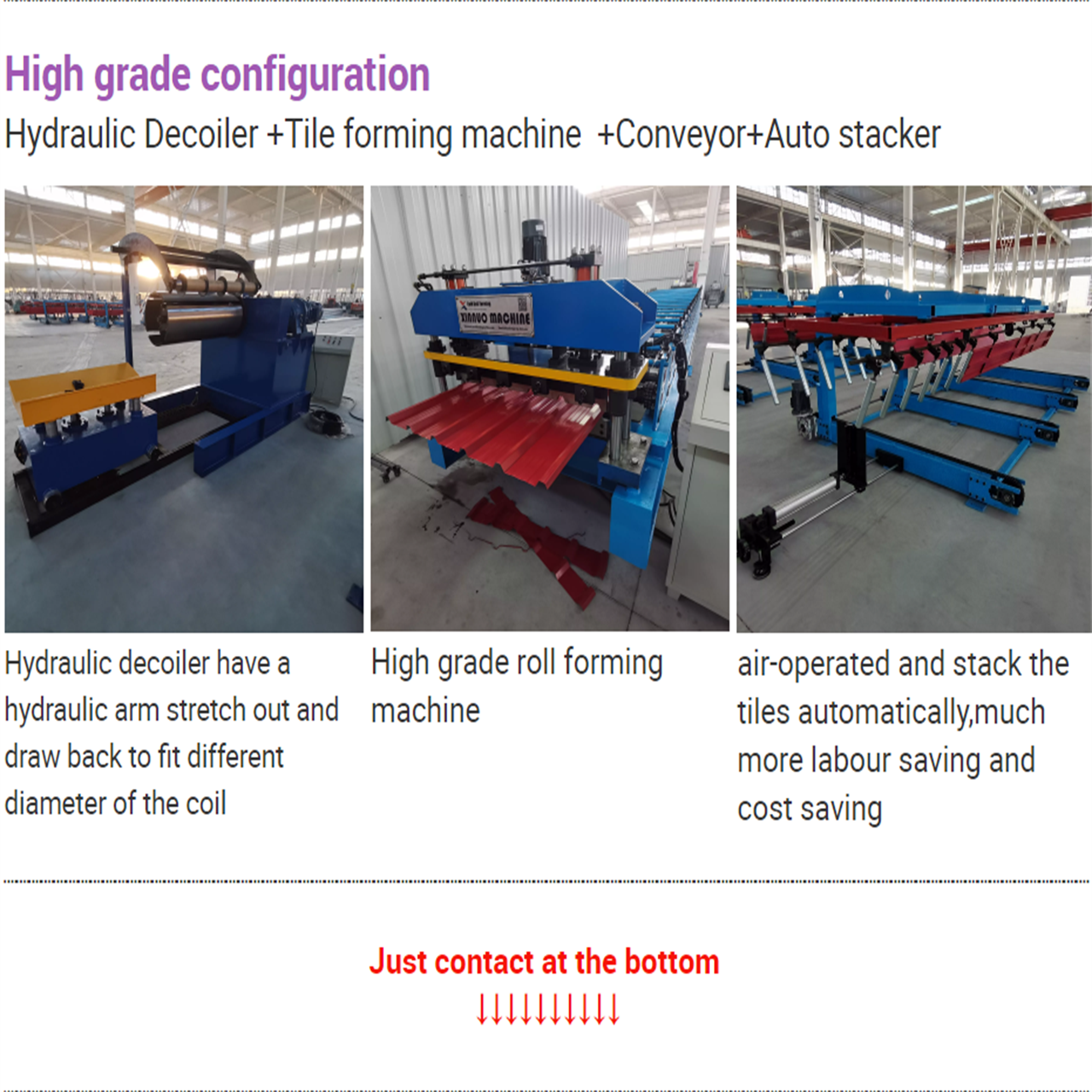
As a high-efficiency and multi-functional core equipment for plate processing, our Arc Veneer Forming Machine is specially developed to meet the batch production needs of arc veneers in various industries. It combines advanced automatic forming technology, intelligent control system and wide material adaptability, which can help enterprises realize the transformation from traditional manual processing to industrialized mass production, greatly improving production capacity and product competitiveness, and reducing comprehensive production costs.
This machine has the advantages of ultra-high forming precision (±0.1mm), fast processing speed (max 8m/min) and stable product quality, ensuring that each batch of arc veneers has uniform radian and consistent size, meeting the high-standard processing requirements of construction decoration, furniture manufacturing, metal product processing and other industries. The CNC intelligent control system supports one-click parameter adjustment and fast mold switching, which can adapt to the processing needs of different specifications and radians of arc veneers, and solve the problem of low efficiency caused by frequent mold debugging in traditional production. It is equipped with multi-group limit pressing devices to avoid plate wrinkling, cracking and deviation during forming, and the finished products can be directly assembled without secondary polishing, reducing material waste and process time.
With energy-saving and environmental protection design, the machine adopts frequency conversion speed regulation motor and optimized power transmission structure, which reduces energy consumption by more than 30% compared with similar products, and does not need a lot of adhesives and linings during forming, which is green and environmentally friendly. It has wide material adaptability, suitable for solid wood veneer, density board, aluminum profile, color steel plate and other materials (thickness 0.3-3.5mm, arc radius 50mm-5000mm, customizable), and optional hot pressing and groove cutting functions are available for customized configuration according to enterprise needs. The whole machine has simple operation, low labor dependence (1-2 workers can operate), stable performance and long service life, which is the best choice for enterprises to upgrade plate processing equipment and expand production scale.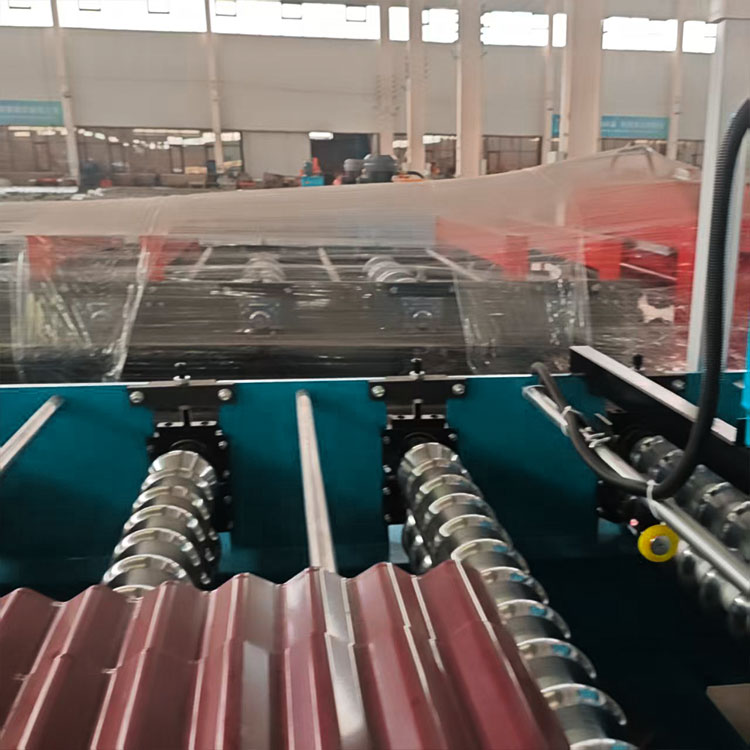



♦ COMPANY PROFILE:
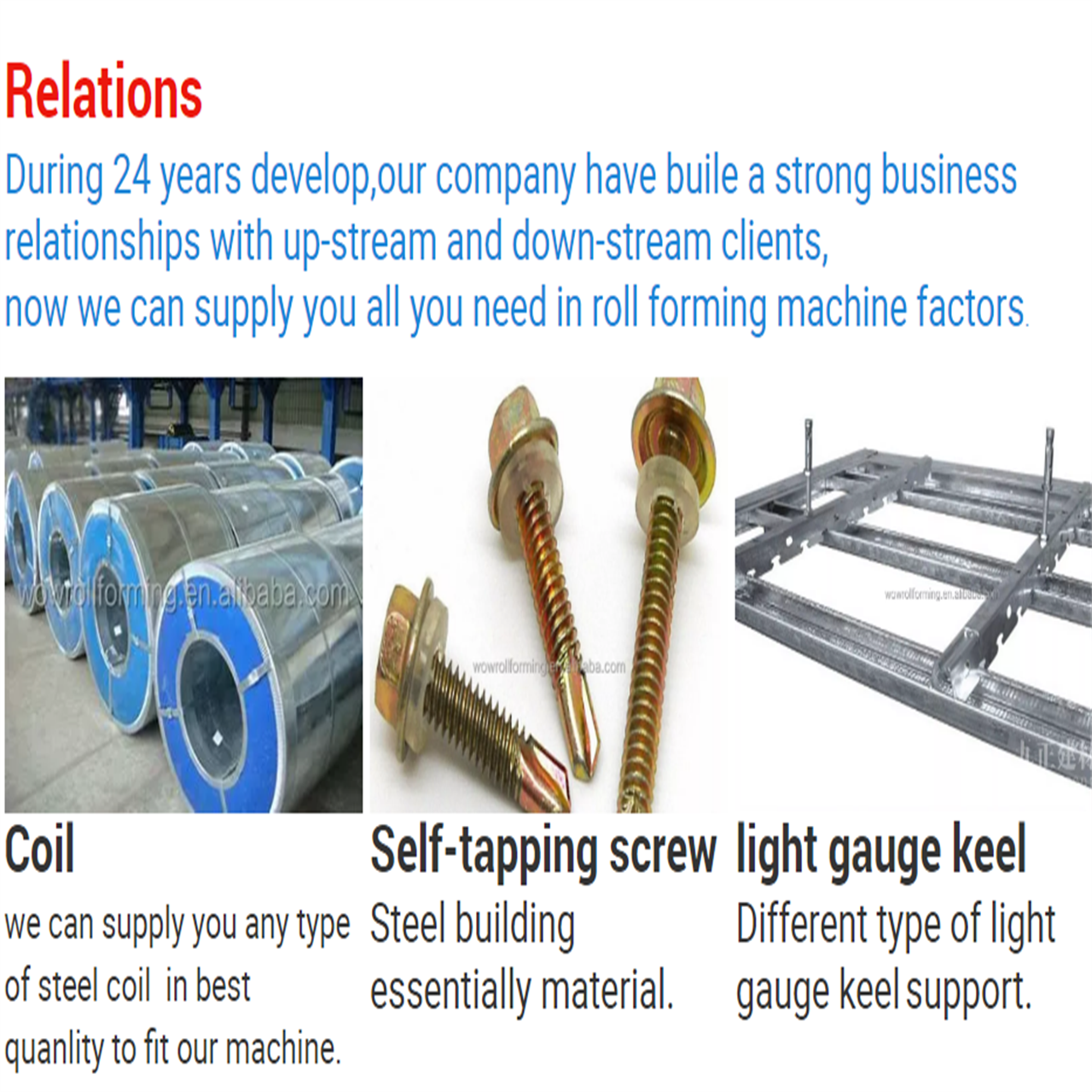
Hebei Xinnuo Roll Forming Machine Co., Ltd., not only produce different types of professional roll forming machines, but also develop intelligent automatic roll forming production lines, C&Z shape purline machines, highway guardrail roll forming machine lines, sandwich panel production lines, decking forming machines, light keel machines, shutter slat door forming machines, downpipe machines, gutter machines, etc.
Advantages of Roll Forming A Metal Part
There are several advantages of using roll forming for your projects:
- The roll forming process allows operations such as punching, notching, and welding to be performed in-line. Labor cost and time for secondary operations are reduced or eliminated, reducing part costs.
- Roll form tooling allows for a high degree of flexibility. A single set of roll form tools will make almost any length of the same cross-section. Multiple sets of tools for varying length parts are not required.
- It can provide better dimensional control than other competing metal forming processes.
- Repeatability is inherent in the process, allowing easier assembly of roll formed parts into your finished product, and minimizing problems due to “standard” tolerance build up.
- Roll forming is typically a higher speed process.
- Roll forming offers customers a superior surface finish. This makes roll forming an excellent option for decorative stainless steel parts or for parts requiring a finish such as anodizing or powder coating. Also, texture or pattern can be rolled into the surface during forming.
- Roll forming utilizes material more efficiently than other competing processes.
- Roll formed shapes can be developed with thinner walls than competing processes
Roll forming is a continuous process which converts sheet metal into an engineered shape using consecutive sets of mated rolls, each of which makes only incremental changes in the form. The sum of these small changes in form is a complex profile.


